


- English
Revision business
Revision business (words, tenses and gerund)
- Theory with exercises
- Elementary
 English

Revision business (words, tenses and gerund)
English
In this lesson we review family members and possessive
English
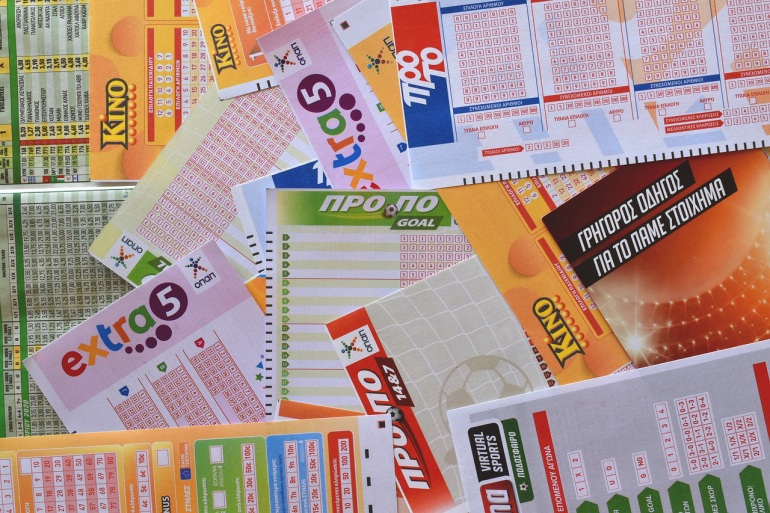
Can people tell the future? Do you know of any predictions that became a reality? Why do people want to know what will happen? You will read an article about the predictions that worked and didn't work. Want to know why people even want to know their future? Then listen to a podcast where people share their thoughts about this. Then, of course, you will share your opinion using new vocabulary!
English
In this lesson we will introduce the prepositional case. It will also attempt to expand your vocabulary to include a number of places. The prepositional case is one of the easiest Russian cases to learn. It is also one of the most useful. It will allow you to expand your use of Russian phrases to include useful phrases like “I live in Russia”. The prepositional case has no meaning of it’s own. It is simply used after certain Russian prepositions. Afterwards we will introduce you to the Russian words for ‘to go’. The prepositional case is used after the prepositions “в” (in), “на” (on/at), “о” (about).
Russian

We will talk about business strategies and revise conditionals
English
----Wea re differentWea re differentWea re differentWea re differentWea re differentWea re differentWea re differentWea re differentWea re different
EnglishIn this class we will dicuss different illnesses and medicines, also we will learn the modal verb should.
English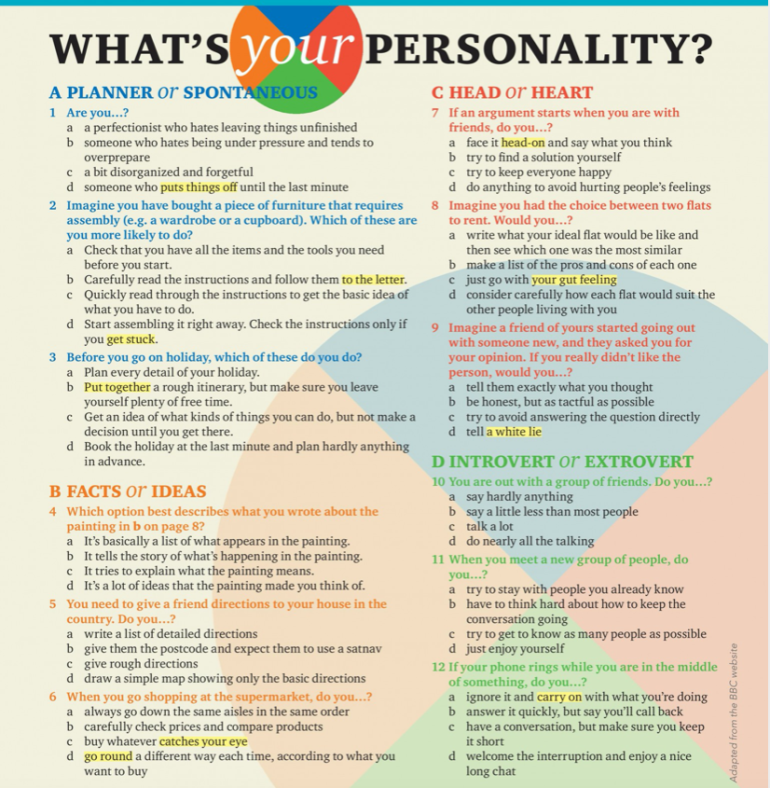
This is from the Advanced English file textbook with vocab about personality.
English
Welcome to the lesson about Russian names! We will investigate Russian names, their origin and usage. The three-part form of modern Russian names consists of a first name, patronymic and surname . It first appeared in the 10th century but became normal during the reign of Tzar Peter I.
Russian
What Makes a Sentence? Grammar A sentence begins with a capital letter and ends with a terminal punctuation such as a period, a question mark, or an exclamation point. A single sentence consists of a single clause (a subject and a predicate). Other complex sentences consist of two or more clauses. (Is / Are) you into skiing? Of course, all of these parts of the hotel (is / are) made of ice.
English