Subject open-popover-icon
EN
How does OnClass work? Support Online now: 922

Video exercises / Lessons

Subject

Content language

Level

Popular lessons

Sort by:

Other lessons

0
46
Inventions that changed the world
  • English

Inventions that changed the world

Change is a part of life. If we don't move forward, we slide back. In this lesson, you will look into an exciting world of innovations. You will hear and read about some of the coolest inventions out there. You will also learn and practise functional language to explain how something works. Have a great lesson!

  • Theory with exercises
  • Intermediate
  • English
Darina Gribanova
Darina G.
0
45
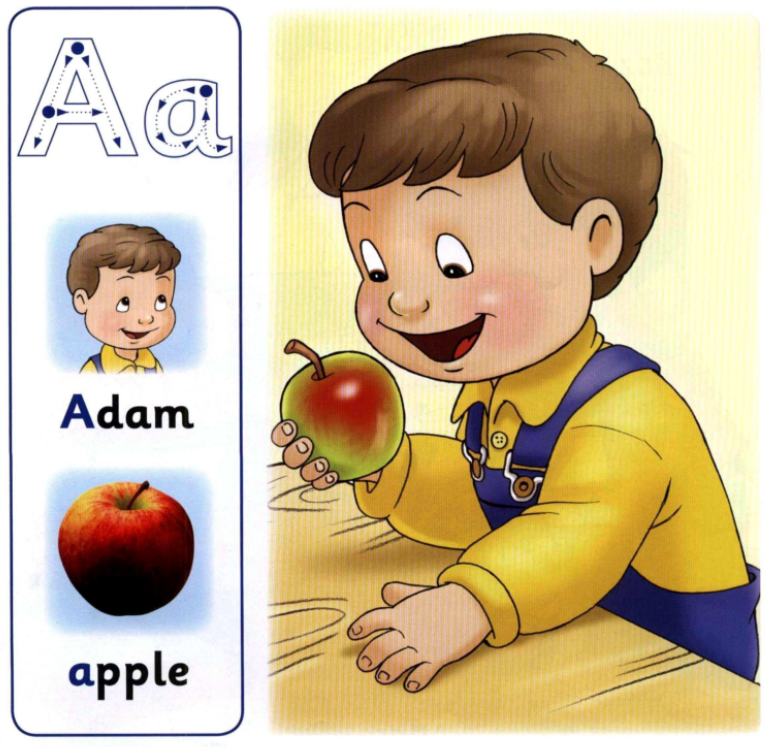
First friends
  • English

First friends

- Main characters of the book - "Hello, I am ... . how are you?" - Letters A and B

  • Theory with exercises
  • Beginner
  • English
Elizaveta Grishkova
Elizaveta G.
0
45
Out of School Hours Care
  • English

Out of School Hours Care

Подкаст, продолжительность 11 минут, Как в Австралии решают вопрос где и с кем оставить детей после школы, пока родители работают.

  • Podcast
  • Upper Intermediate
  • English
Анжелика Луговская
Анжелика Л.
0
45
Burnout
  • English

Burnout

In this lesson we will talk about burnout at life and revise linking words.

  • Theory with exercises
  • Advanced
  • English
Maria  Nekrasova
Maria .
0
44
Street art
  • English

Street art

In this class we will discuss street art and Inversion with "only", "neither" and "so"

  • Theory with exercises
  • Advanced
  • English
Maria  Nekrasova
Maria .
0
44
Team work
  • English

Team work

In this class we will discuss Team work and role play different situations

  • Theory with exercises
  • Intermediate
  • English
Maria  Nekrasova
Maria .
0
44
Marrige
  • English

Marrige

In this class we will discuss different wedding traditions and couples from different cultures

  • Theory with exercises
  • Pre-Intermediate
  • English
Maria  Nekrasova
Maria .
0
44
Periodic table of the elements
  • Chemistry

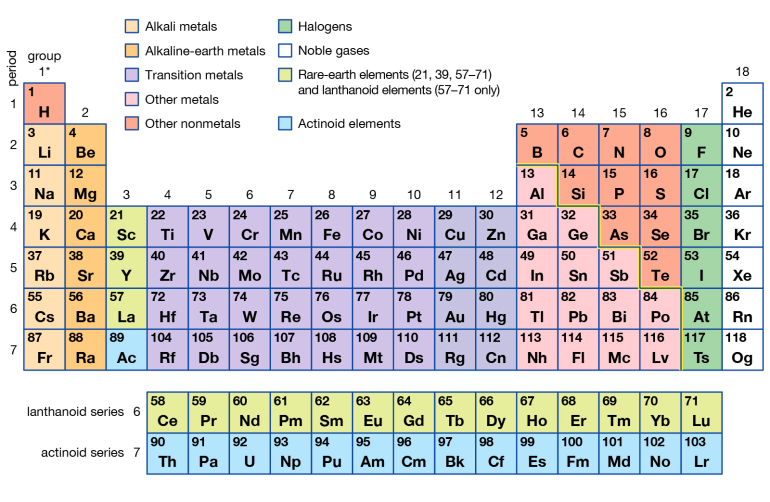
Periodic table of the elements

Periodic table, in full periodic table of the elements, in chemistry, the organized array of all the chemical elements in order of increasing atomic number—i.e., the total number of protons in the atomic nucleus. When the chemical elements are thus arranged, there is a recurring pattern called the “periodic law” in their properties, in which elements in the same column (group) have similar properties. The initial discovery, which was made by Dmitry I. Mendeleyev in the mid-19th century, has been of inestimable value in the development of chemistry.

  • Image
  • All levels
  • English
Andrei Scherbak
Andrei S.