


- English
Customers
In this lesson we will discuss customers experience and passive voice.
- Theory with exercises
- Advanced
 English

Nothing found.
We couldn’t find any matching results. Try adjusting your keywords or browsing by category.
In this lesson we will discuss customers experience and passive voice.
English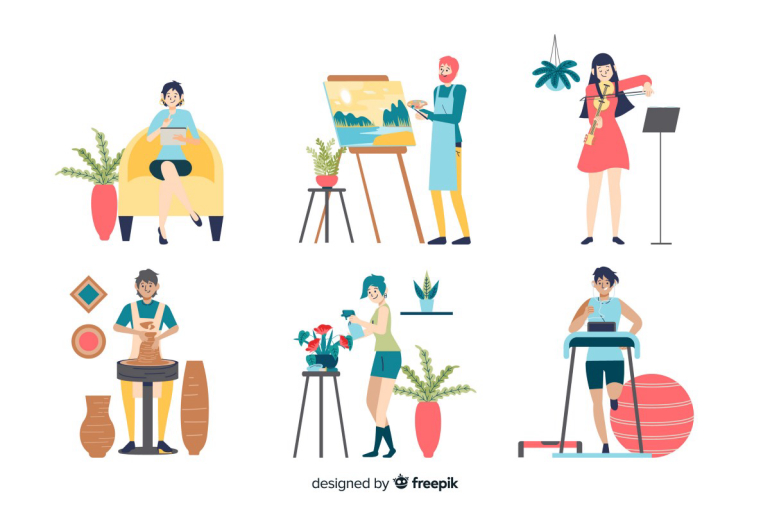
In this class we will talk about hobbies and present simple (negative sentences and time markers)
English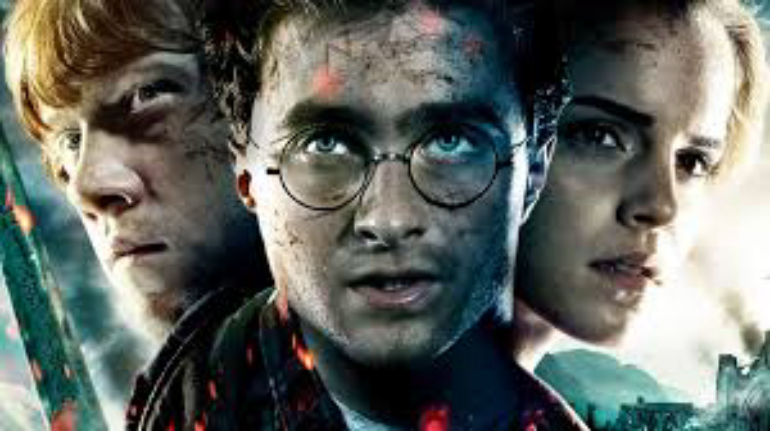
Glow marathon day about Harry Potter films
English

English pronunciation for Spanish speakers. If Spanish is your native language, this video will help you to fix a common mistakes that Spanish speakers make when they're speaking English. When the letter S is at the beginning of a word and the following letter is a consonant, make sure that you don't add an extra vowel sound before the word. For example, don't say "estudy". Don't take a breath before you say the word. Just start saying the "s". Watch this video for other examples.
English

In this lesson we will learn Management in company and grammar - countable/uncountable words
English
Bridges... bridges, bridges, bridges. We talk a lot about bridges in Physics. Why? Because there is A LOT of practical physics that can be learned from the planning and construction of them. In this episode of Crash Course Physics, Shini talks to us about a particular mistake made in engineering the Millennium Bridge which allows us to talk about simple harmonic motion.
English

Colombia is nicknamed the "gateway to South America" because it sits in the northwestern part of the continent where South America connects with Central and North America.
English
Today we go horse racing, and we meet people with lots of money and no dress-sense! Ascot is a small town, south-west of London, and close to the royal castle at Windsor. In 1711, Queen Anne went horse-riding from Windsor, and "discovered" Ascot. She decided that it was exactly the right place for horse races.
English
Listening for KET - all parts included
English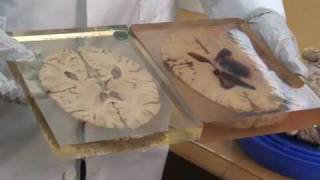
How the Brain Works These brief videos provide an introductory appreciation of how we learn skills and information, move, think, feel, speak and remember. They are brought to you by the UCLA Brain Research Institute and by Bruce H. Dobkin, MD, who directs the neurorehabilitation program in the Department of Neurology at UCLA. The videos especially aim to reach out to students in grade school to stir their interest, and to people with disabilities in walking, using an affected upper extremity, and loss of memory from neurological diseases such as stroke, brain trauma, tumors, multiple sclerosis, cerebral palsy, Parkinsons, and Alzheimers disease.
English