

- English
First friends
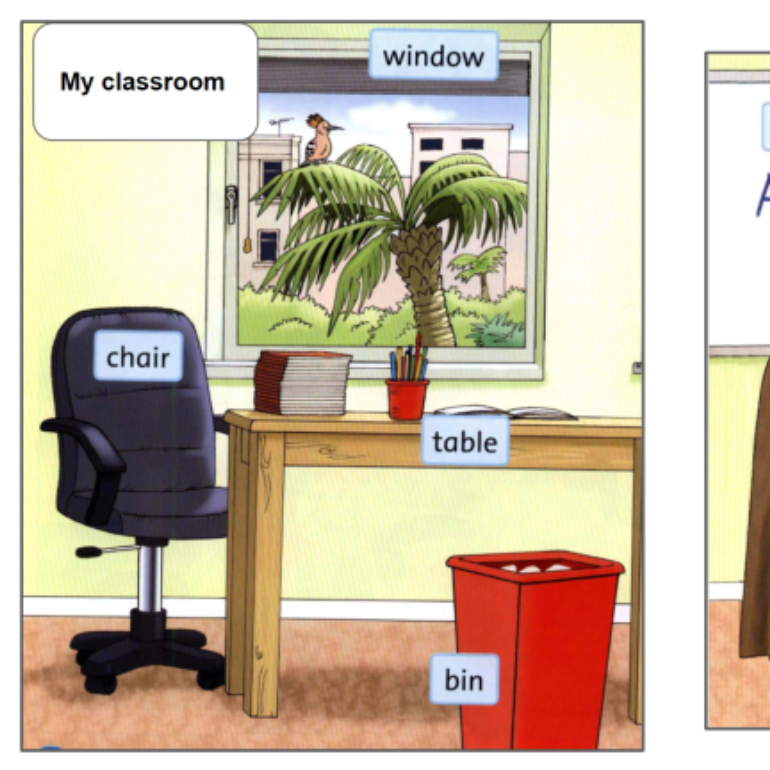
-things in my classroom -review of letters A, B, C, D
- Theory
- Beginner
 English

-things in my classroom -review of letters A, B, C, D
English
2nd lesson GLOW marathon USA topic
English

FCE speaking
English
Poses for photographers and vocabulary
English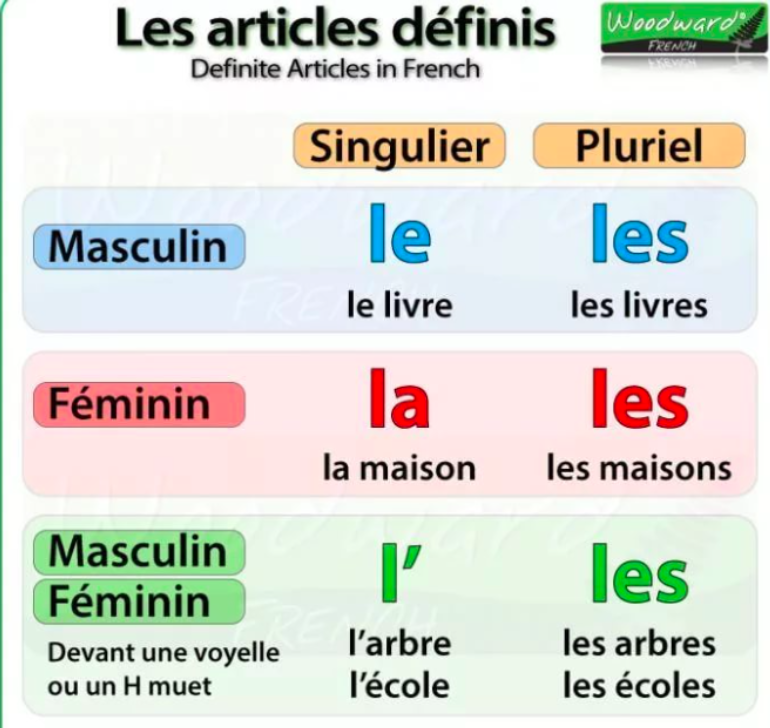
French lesson 1
English

Class in GLOW marathone 2 about Machu Picchu
English
Bestimmter Artikel
English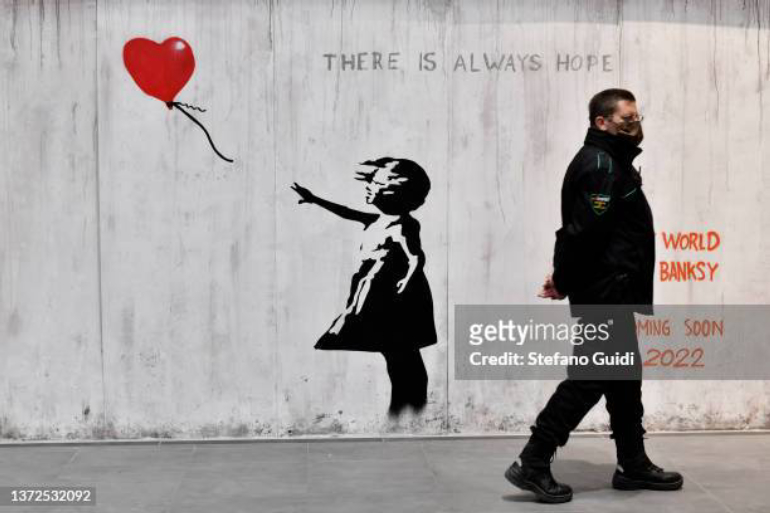
extract lessons from short movies and explain why they are important
English
Learn how to tell the colors in Italian
English
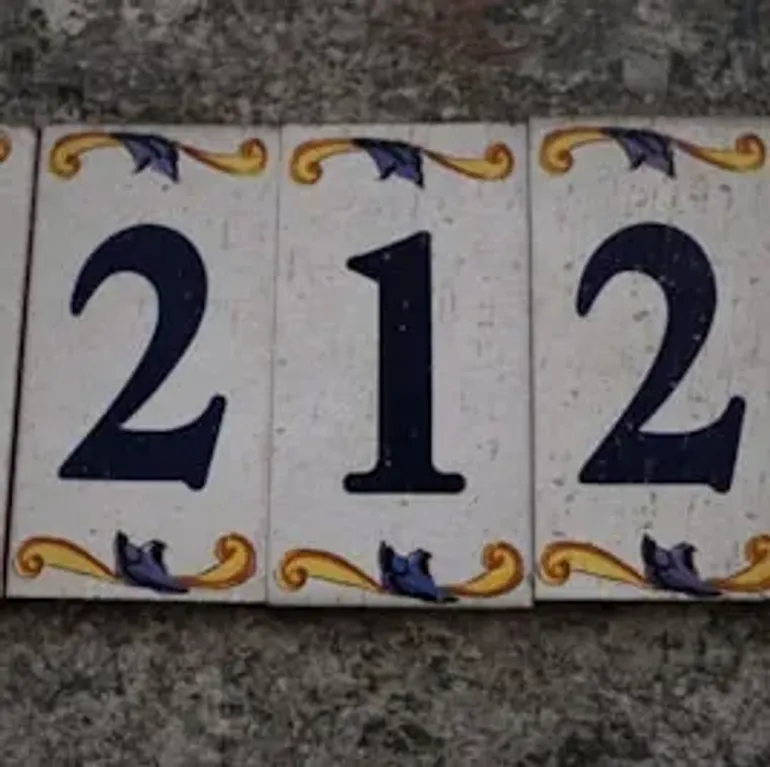
Learn how to count to 10 in italian
English
Полезный урок для тренировки разговорного английского и произношения. Сначало читаете с английскими субтитрами, а потом без помощи субтитров. Упражнение не на понимание текса, а именно тренировка речи.
English

In this class we will revise conditionals + linking words
English

We will discuss life moments and revise Past simple and Past Perfect
EnglishIn this class we will discuss Global warming and learn what is Second Conditional
English
Bei dem Osterfest geht es um die Kreuzigung von Jesus Christus und um seine Auferstehung von den Toten. Es ist ein religiöses Fest.
English
Sport In Deutschland interessieren sich sehr viele Menschen für Sport. In den Zeitungen, im Radio und im Fernsehen wird regelmäßig über Sport berichtet.
EnglishRevision class 3: past tenses, used to, prepositions
English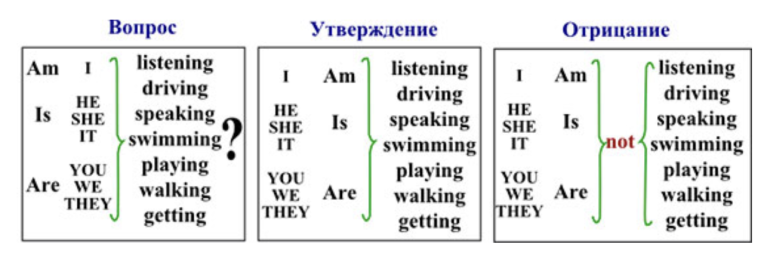
Present Continuous Если глагол оканчивается на –е, то при добавлении –ing она исчезает: come – coming Если глагол состоит из одного слога, и гласная в нем краткая, то конечная согласная удваивается: sit – sitting
English
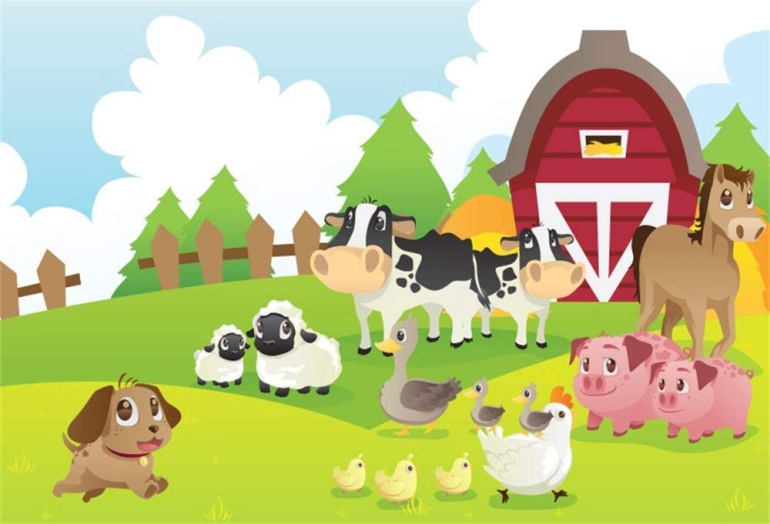
In this video we are going to learn the farm animals in spanish. Spanish vocabulary for children. vaca (cow), perro (dog), gato (cat), oveja (sheep), gallo (cock), cerdo (pig), caballo (horse), pato (duck), burro (donkey), gallina (chicken)
English
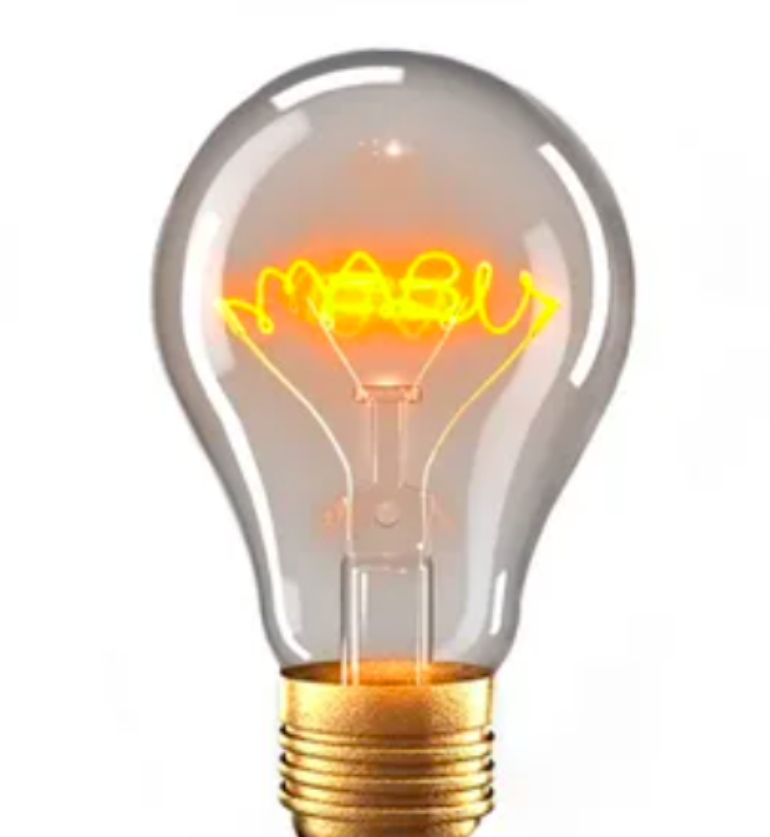
A few years ago there were lots of lightbulb jokes in English. You probably had them in your language too. Here is an example. How many policemen/civil servants/school teachers does it take to change a lightbulb? Five – one to stand on a table holding the lightbulb, and four to pick the table up and turn it round. Some people find these jokes very funny. Other people don't think they are funny at all.
English