
- English
Super-human
This lesson is about future super-human and Technologies which are people creating. In this class we will also discuss future tenses and see the differences between them.
- Theory with exercises
- Intermediate
 English

This lesson is about future super-human and Technologies which are people creating. In this class we will also discuss future tenses and see the differences between them.
English
In this class we will learn about project and operations management and revise first conditional
English
Get ready for your trip to Spain with this class- pluses, minuses, food and rules
English

GrammarGrammarGrammarGrammarGrammarGrammarGrammar
English
In this class we will discuss the 21 day challenge and future constractions will and to be going to.
English
- el uso del modo imperativo - los imperativos afirmativos (regulares e irrgulares) - los imperativos negativos (regulares e irrgulares) - los imperativos de los verbos reflexivos - los imperativos con cd y ci
Spanish
 English

In this class we will learn about small talk, linling words and clarifications
English
alphabet (a,b,c,d,e) for children 4-5
English
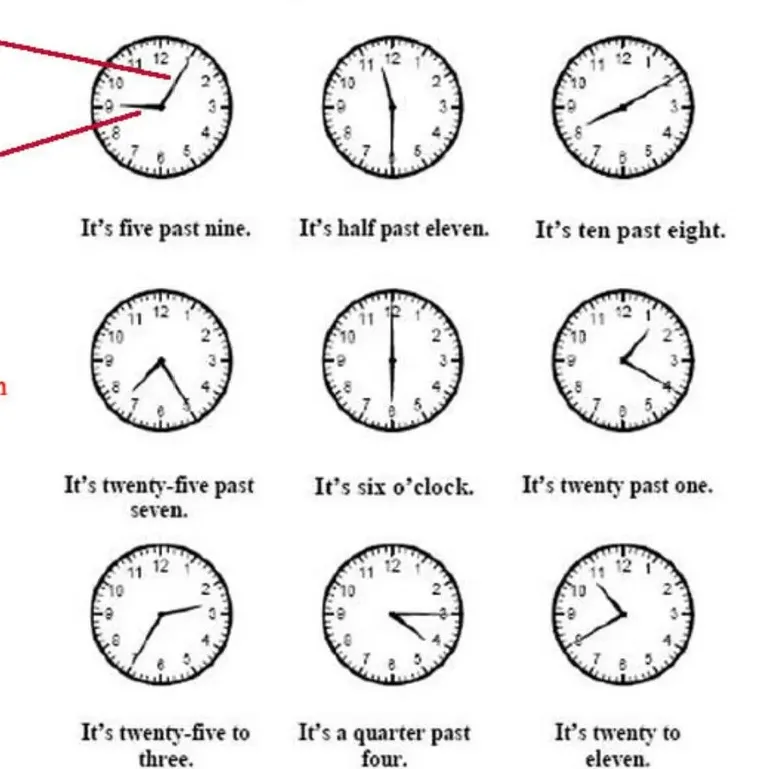
This lesson helps learners understand how to ask for and tell the time in English. Students will learn key expressions such as o’clock, half past, quarter past/to, and how to use a.m. and p.m. They will also practice common questions and answers: “What time is it? – It’s …” and “When does it start? – At …”. The lesson includes: Vocabulary and numbers 1–59 Different ways of telling the time (analog & digital clocks) Using past / to for minutes Expressions with in the morning/afternoon/evening, at night Daily routine activities with time references Activities involve dialogues, matching clocks with the correct time, and role plays to practice schedules and appointments. By the end of the lesson, learners will be able to confidently tell and ask the time in English.
English