


- English
Have you ever
In this class we will discuss the grammar topic - Present Perfect (have you ever...).
- Theory with exercises
- Elementary
 English

In this class we will discuss the grammar topic - Present Perfect (have you ever...).
English
Continuing in our journey of understanding motion, direction, and velocity... today, Shini introduces the ideas of Vectors and Scalars so we can better understand how to figure out motion in 2 Dimensions. But what does that have to do with baseball? Or two baseballs?
English
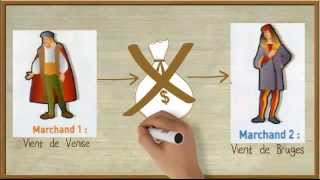
Je suis bien arrivée à Londres pour ma dernière année d’études de marketing à l’université. Là-bas tout le monde parle anglais ! Londres est différent de Paris. Par exemple, les bus sont rouges et certaines stations de métro semblent très anciennes.
English

Safari class in GLOW marathon of English
English
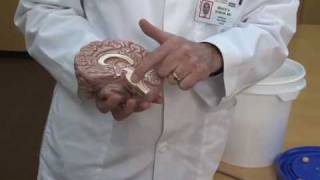
These brief videos provide an introductory appreciation of how we learn skills and information, move, think, feel, speak and remember. They are brought to you by the UCLA Brain Research Institute and by Bruce H. Dobkin, MD, who directs the neurorehabilitation program in the Department of Neurology at UCLA. The videos especially aim to reach out to students in grade school to stir their interest, and to people with disabilities in walking, using an affected upper extremity, and loss of memory from neurological diseases such as stroke, brain trauma, tumors, multiple sclerosis, cerebral palsy, Parkinsons, and Alzheimers disease.
English
In this lesson we will talk about hobbies and if it can become a business
English English
We consulted EFL experts, and also tapped into the expertise of the staff within our IH schools, to share their favourite TV shows for learners of English. Whether you're new to teaching or are experienced in your field, these timeless tips might give you some food for thought in the classroom.
English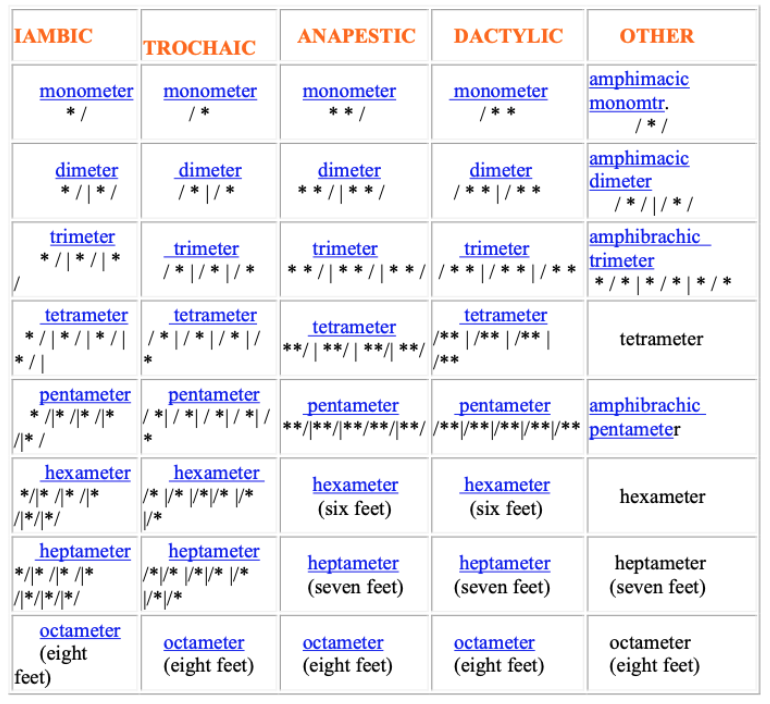
English poetry employs five basic rhythms of varying stressed (/) and unstressed (x) syllables. The meters are iambs, trochees, spondees, anapests and dactyls. In this document the stressed syllables are marked in boldface type rather than the tradition al "/" and "x." Each unit of rhythm is called a "foot" of poetry. The meters with two-syllable feet are - IAMBIC (x /) : That timeof yearthoumaystin mebehold - TROCHAIC (/ x): Tellmenotin mournful numbers - SPONDAIC (/ /): Break, break, break/ On thy coldgraystones, O Sea! - ANAPESTIC (x x/): And thesoundof a voicethat is still - DACTYLIC (/ x x): Thisis the forest primeval, the murmuring pinesand the hemlock (a trochee replaces the final dactyl)
English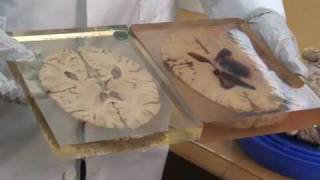
How the Brain Works These brief videos provide an introductory appreciation of how we learn skills and information, move, think, feel, speak and remember. They are brought to you by the UCLA Brain Research Institute and by Bruce H. Dobkin, MD, who directs the neurorehabilitation program in the Department of Neurology at UCLA. The videos especially aim to reach out to students in grade school to stir their interest, and to people with disabilities in walking, using an affected upper extremity, and loss of memory from neurological diseases such as stroke, brain trauma, tumors, multiple sclerosis, cerebral palsy, Parkinsons, and Alzheimers disease.
English