

- French
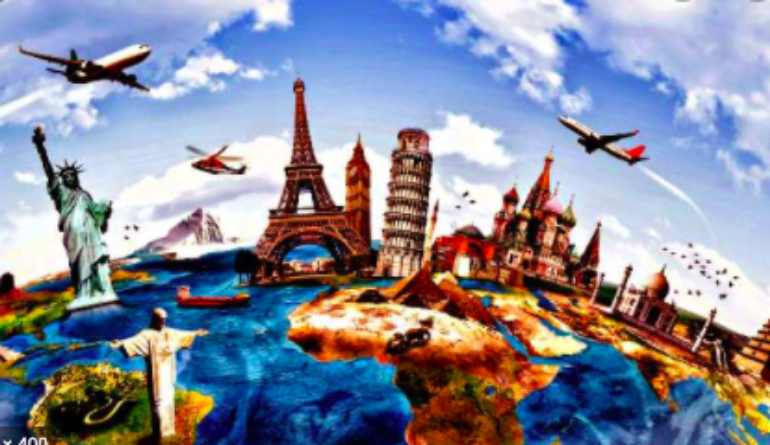
Un voyage
Qui n'aime pas voyager? Tout le monde aime voyager.
- Theory
- Pre-Intermediate
 English

Qui n'aime pas voyager? Tout le monde aime voyager.
English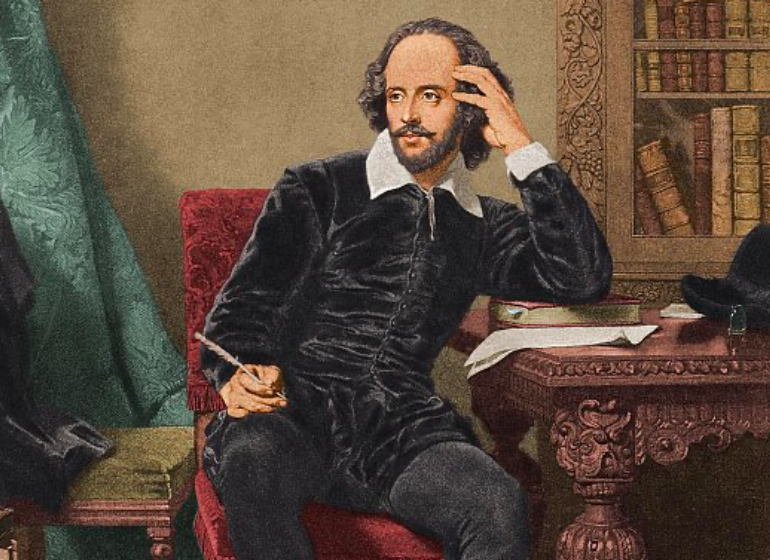
This video about William Shakespeare Biography in English. William Shakespeare was an English poet, playwright and actor, widely regarded as both the greatest writer in the English language, and the world's pre-eminent dramatist. He is often called England's national poet, and the "Bard of Avon".
English
----
English English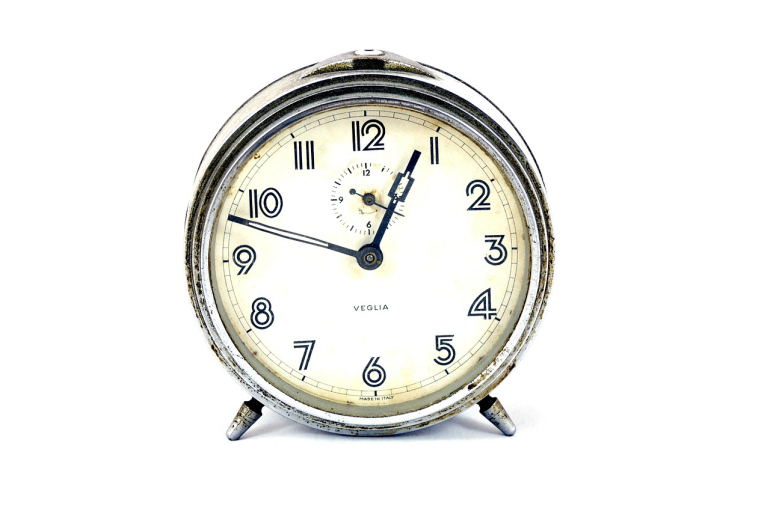
Your student will learn to: discuss similarities in the morning routines of highly productive people; apply the vocabulary related to productive routine; use present tenses more confidently; create and discuss the lists to become more productive.
English
-futuro simple -futuro perfecto
English

Video from constellations for kids and strange jobs
English
In this class we will talk about motivation at work and life.
English
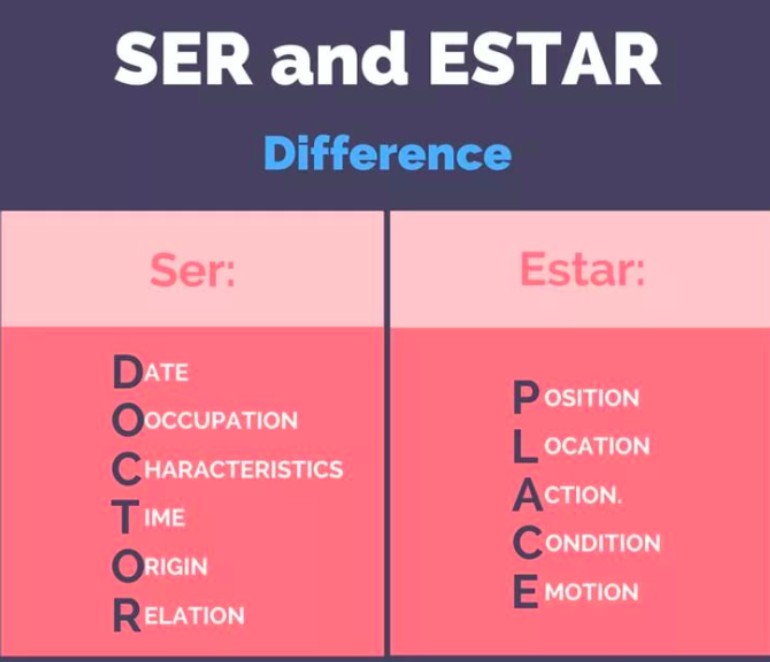
Whole books have been written about the two important Spanish verbs: ser and estar. This will be the subject of our discussion for the next few lessons. Soon, you will have a very good understanding of how these two verbs are used.
English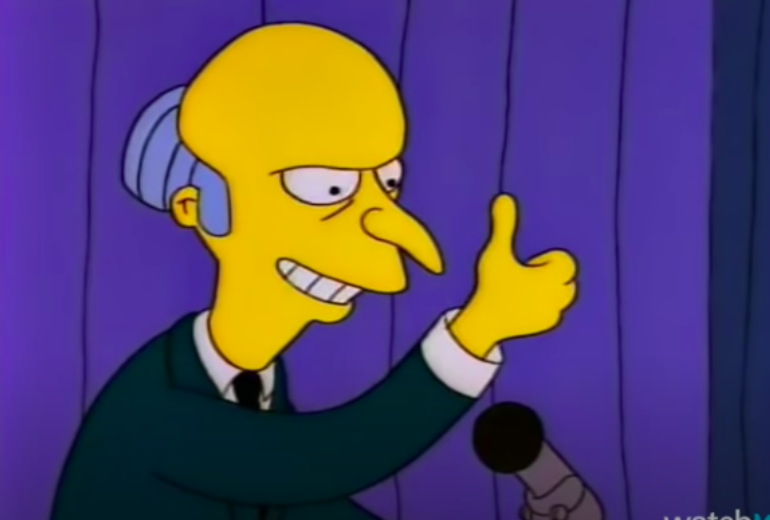
How much should I tip while traveling? That’s one of many normal questions to ask before vacation. But some questions you may not think to ask include: Is it okay to wear shoes in someone’s house on vacation? Can I give someone a thumbs up in another country? Is it rude to finish all the food on my plate in another country? Do I need to cover my mouth when I laugh while on vacation? What do I do if I need to blow my nose in public while abroad? While you wouldn’t even think of these as offensive behaviors, there are many things Americans do that are rude in other countries. WatchMojo takes a look at the Top 10 American Customs That May Be Offensive In Other Countries so you can avoid looking like you have bad manners while on vacation.
English