- English
alphabet video
alphabet video for kids/alphabet video for kids
- Video
- Beginner
English

alphabet video for kids/alphabet video for kids

Song lesson kid friendly Tailor Swift

One of the world's most popular games, played by millions of people worldwide in homes, parks, clubs, online, by correspondence, and in tournaments. In recent years, chess has become part of some school curricula.

Exploratay testing of the Taco Bell website = QA

Полезный урок для тренировки разговорного английского и произношения. Сначало читаете с английскими субтитрами, а потом без помощи субтитров. Упражнение не на понимание текса, а именно тренировка речи.

Have you a dream? I mean, is there something that you would really like to do in your life – such as travelling round the world, or writing a best-selling novel, or climbing Mount Everest, or learning a new language. Good. It is important that we have dreams like these. But what would you do to achieve your dream. Would you, for example, walk out of your job so that you could do the thing you really want to do? Hmm. That might be difficult. How would you get the money you need to live on? And suppose you had a well-paid and very important job. Would you give that job up to pursue your dream? This morning's newspapers tell us about someone who has done just that. His name is Paul Drayson. He is 47 years old. He started his career as a businessman, and he was very successful. He made a fortune as boss of a company which makes equipment for giving people medical injections without sticking a needle into them. Then he became interested in politics. He gave a lot of money to the Labour Party. The government made him a member of the House of Lords, which is the upper chamber of the British parliament. (This means that he is now Lord Drayson, and not plain, ordinary Mr Drayson.) Then Lord Drayson became a minister in the government, at the Ministry of Defence. He was responsible for buying equipment for the British armed forces. Both the government’s supporters and his opponents said that he was good at his job. He obviously had a bright political career ahead of him. But Lord Drayson had a dream. It was a dream about driving motorcars very fast. He bought a 6-litre Aston Martin racing car. He drove it around race tracks. He competed in races; then he started to win some of the races, and this year he came third in the British GT championship. (The GT championships are for cars which are nearly the same as cars which you can drive on normal roads). People who know him say that, as a racing driver, Paul Drayson is both brave and intelligent.

Create a lesson by adding multiple slides, each capable of holding a diverse range of content blocks, including text, video, images, and more. Choose the appropriate type and quantity of content for each slide as needed. Create a lesson by adding multiple slides, each capable of holding a diverse range of content blocks, including text, video, images, and more. Choose the appropriate type and quantity of content for each slide as needed.

Подкаст, продолжительность 11 минут, Как в Австралии решают вопрос где и с кем оставить детей после школы, пока родители работают.

Hello everyone. A few years ago, I moved from England to New Zealand to coach football to children in Auckland, the biggest city in New Zealand. I'd like to tell you about the differences between football in England and football in New Zealand. I grew up in London in England and spent many hours as a child playing football with my friends in the park. We used to play football after school and at the weekend, and often all day long in the school holidays. One of the first things I noticed when I moved to New Zealand was that very few children play football after school or at the weekends. Even on a sunny day in New Zealand, many of the parks will be completely empty! In cities in England, children will arrange to meet their friends for a game in the park, but in New Zealand the children only ever play football when it's organised for them by their parents or by their team coach. If you've ever played football, you will know that it takes many hours of practice to get skilful and make the ball do anything you want it to. Sometimes it can take lots and lots of mistakes before a child gets it right! In New Zealand, children don't spend a lot of time playing football on their own so they don't try new things and make mistakes. Instead they spend an hour or two a week being told what to do by a parent or a coach. This means they don't get to make their own mistakes and learn things for themselves. Imagine learning English and never being allowed to make a mistake? It would be very difficult, and not much fun either!

In this class we will practice speaking skill about family, friendship and happiness

Fce speaking all parts Test preparation

GLOLW marathone Day 3 Australia and New Zealand

Explore personality topic with different adjectives

A1 English Listening Practice - Daily Routine, Present Simple

Game club for adults in GLOW schоol

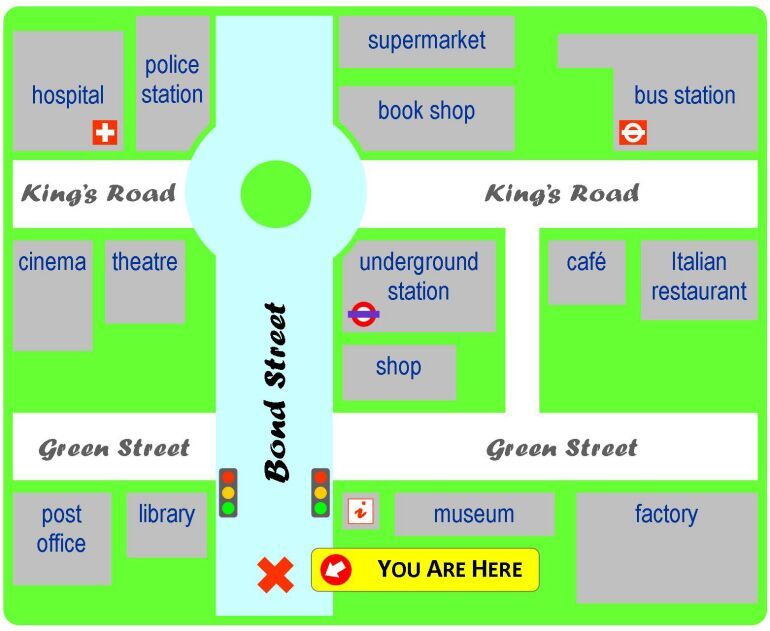
Directions in the city - maps + metro

Рассмотрим, как образовать вопрос во времени Present Simple (простое настоящее время) Когда используется Do в Present Simple Когда используется Does в Present Simple Специальные вопросы в Present Simple Тест

Как и когда использовать форму глагола to be во времени Present Simple (простое настоящее) Тест

Speaking club topics for discussions and new vocabulary

alphabet video for kids/alphabet video for kids

Song lesson kid friendly Tailor Swift

One of the world's most popular games, played by millions of people worldwide in homes, parks, clubs, online, by correspondence, and in tournaments. In recent years, chess has become part of some school curricula.

Exploratay testing of the Taco Bell website = QA

Полезный урок для тренировки разговорного английского и произношения. Сначало читаете с английскими субтитрами, а потом без помощи субтитров. Упражнение не на понимание текса, а именно тренировка речи.

Have you a dream? I mean, is there something that you would really like to do in your life – such as travelling round the world, or writing a best-selling novel, or climbing Mount Everest, or learning a new language. Good. It is important that we have dreams like these. But what would you do to achieve your dream. Would you, for example, walk out of your job so that you could do the thing you really want to do? Hmm. That might be difficult. How would you get the money you need to live on? And suppose you had a well-paid and very important job. Would you give that job up to pursue your dream? This morning's newspapers tell us about someone who has done just that. His name is Paul Drayson. He is 47 years old. He started his career as a businessman, and he was very successful. He made a fortune as boss of a company which makes equipment for giving people medical injections without sticking a needle into them. Then he became interested in politics. He gave a lot of money to the Labour Party. The government made him a member of the House of Lords, which is the upper chamber of the British parliament. (This means that he is now Lord Drayson, and not plain, ordinary Mr Drayson.) Then Lord Drayson became a minister in the government, at the Ministry of Defence. He was responsible for buying equipment for the British armed forces. Both the government’s supporters and his opponents said that he was good at his job. He obviously had a bright political career ahead of him. But Lord Drayson had a dream. It was a dream about driving motorcars very fast. He bought a 6-litre Aston Martin racing car. He drove it around race tracks. He competed in races; then he started to win some of the races, and this year he came third in the British GT championship. (The GT championships are for cars which are nearly the same as cars which you can drive on normal roads). People who know him say that, as a racing driver, Paul Drayson is both brave and intelligent.

Create a lesson by adding multiple slides, each capable of holding a diverse range of content blocks, including text, video, images, and more. Choose the appropriate type and quantity of content for each slide as needed. Create a lesson by adding multiple slides, each capable of holding a diverse range of content blocks, including text, video, images, and more. Choose the appropriate type and quantity of content for each slide as needed.

Подкаст, продолжительность 11 минут, Как в Австралии решают вопрос где и с кем оставить детей после школы, пока родители работают.

Hello everyone. A few years ago, I moved from England to New Zealand to coach football to children in Auckland, the biggest city in New Zealand. I'd like to tell you about the differences between football in England and football in New Zealand. I grew up in London in England and spent many hours as a child playing football with my friends in the park. We used to play football after school and at the weekend, and often all day long in the school holidays. One of the first things I noticed when I moved to New Zealand was that very few children play football after school or at the weekends. Even on a sunny day in New Zealand, many of the parks will be completely empty! In cities in England, children will arrange to meet their friends for a game in the park, but in New Zealand the children only ever play football when it's organised for them by their parents or by their team coach. If you've ever played football, you will know that it takes many hours of practice to get skilful and make the ball do anything you want it to. Sometimes it can take lots and lots of mistakes before a child gets it right! In New Zealand, children don't spend a lot of time playing football on their own so they don't try new things and make mistakes. Instead they spend an hour or two a week being told what to do by a parent or a coach. This means they don't get to make their own mistakes and learn things for themselves. Imagine learning English and never being allowed to make a mistake? It would be very difficult, and not much fun either!

This lesson helps learners understand how to ask for and tell the time in English. Students will learn key expressions such as o’clock, half past, quarter past/to, and how to use a.m. and p.m. They will also practice common questions and answers: “What time is it? – It’s …” and “When does it start? – At …”. The lesson includes: Vocabulary and numbers 1–59 Different ways of telling the time (analog & digital clocks) Using past / to for minutes Expressions with in the morning/afternoon/evening, at night Daily routine activities with time references Activities involve dialogues, matching clocks with the correct time, and role plays to practice schedules and appointments. By the end of the lesson, learners will be able to confidently tell and ask the time in English.

This lesson helps learners understand how to ask for and tell the time in English. Students will learn key expressions such as o’clock, half past, quarter past/to, and how to use a.m. and p.m. They will also practice common questions and answers: “What time is it? – It’s …” and “When does it start? – At …”.

Fill the gaps with some or any

In this class we will discuss unusual job positions, companies and articles

Phrasal verbs and prepositions, rules and exersices

This lesson helps learners understand how to ask for and tell the time in English. Students will learn key expressions such as o’clock, half past, quarter past/to, and how to use a.m. and p.m. They will also practice common questions and answers: “What time is it? – It’s …” and “When does it start? – At …”.

This lesson helps learners understand how to ask for and tell the time in English. Students will learn key expressions such as o’clock, half past, quarter past/to, and how to use a.m. and p.m. They will also practice common questions and answers: “What time is it? – It’s …” and “When does it start? – At …”. The lesson includes: Vocabulary and numbers 1–59 Different ways of telling the time (analog & digital clocks) Using past / to for minutes Expressions with in the morning/afternoon/evening, at night Daily routine activities with time references Activities involve dialogues, matching clocks with the correct time, and role plays to practice schedules and appointments. By the end of the lesson, learners will be able to confidently tell and ask the time in English.

In this class we will discuss rules and learn modal verbs must and have to

In this class we will discuss unusual job positions, companies and articles

Phrasal verbs and prepositions, rules and exersices

This lesson helps learners understand how to ask for and tell the time in English. Students will learn key expressions such as o’clock, half past, quarter past/to, and how to use a.m. and p.m. They will also practice common questions and answers: “What time is it? – It’s …” and “When does it start? – At …”.

This lesson helps learners understand how to ask for and tell the time in English. Students will learn key expressions such as o’clock, half past, quarter past/to, and how to use a.m. and p.m. They will also practice common questions and answers: “What time is it? – It’s …” and “When does it start? – At …”. The lesson includes: Vocabulary and numbers 1–59 Different ways of telling the time (analog & digital clocks) Using past / to for minutes Expressions with in the morning/afternoon/evening, at night Daily routine activities with time references Activities involve dialogues, matching clocks with the correct time, and role plays to practice schedules and appointments. By the end of the lesson, learners will be able to confidently tell and ask the time in English.

In this class we will discuss rules and learn modal verbs must and have to

to go to school - ходить в школу/ учиться в школе to learn (learnt, learnt) - учиться, изучать to teach (taught, taught) - учить, обучать to read (read, read) - читать to write (wrote, written) - писать to count - считать to solve - решать to draw (drew, drawn) - рисовать to do homework - делать уроки to leave school - окончить школу

always [‘ɔːlweɪz] всегда usually [‘juːʒ ə)lɪ] обычно often [‘ɔfən] часто sometimes [‘sʌmtaɪmz] иногда, временами rarely [‘reəlɪ] / seldom [‘seldəm] редко, нечасто never [‘nevə] никогда, ни разу ever [‘evə] когда-либо, also [‘ɔːlsəu] тоже, также, к тому же just [ʤʌst] сейчас, прямо, точно, только still [stɪl] до сих пор, всё ещё, по-прежнему already [ɔːl’redɪ] уже

In this class we will discuss appearances and adjectives (Com and Super)

To join a queue – Встать в очередь To try something on – Примерить что- то To be in or out of fashion – Быть в моде или выйти из моды Sky-high prices – Заоблачные, высокие цены Fit somebody – Идеально подходить по размеру Glamorous – очаровательный Good-looking – красивый Gorgeous – великолепный

alphabet video for kids/alphabet video for kids