- English
Soft and hard skills
In this class we will talk about soft and hard skills
- Theory with exercises
- Intermediate
English

In this class we will talk about soft and hard skills

Lesson goals Your student will learn to: apply the vocabulary related to talent shows; discuss a personal story about participation in a talent show; discuss details of spoken texts with advice on how to get the most of talent shows; use conjunctions of purposes, contrast and concession more confidently; bring relevant personal experiences into a conversation about talent shows.

In this lesson we will discuss customers experience and passive voice.

In this lesson we will continue topic about food, discuss food habits. Also we will learn how to use passive voice in different tenses and practise grammar

In this class we will talk about jobs and learn articles a/an

In this class we will discuss what is parental control and all the advantages and disadvantages of it. Also we will have a look on grammar topic - Used to and would.

SPoken class about connnection of paranormality and psychology.

In this class we will discuss different accents. We will discuss if it is a natural issue or language problem. Also we will revise some phrasal verbs and grammar topic - gerund

In this class we will learn Present Simple Tense and practice it

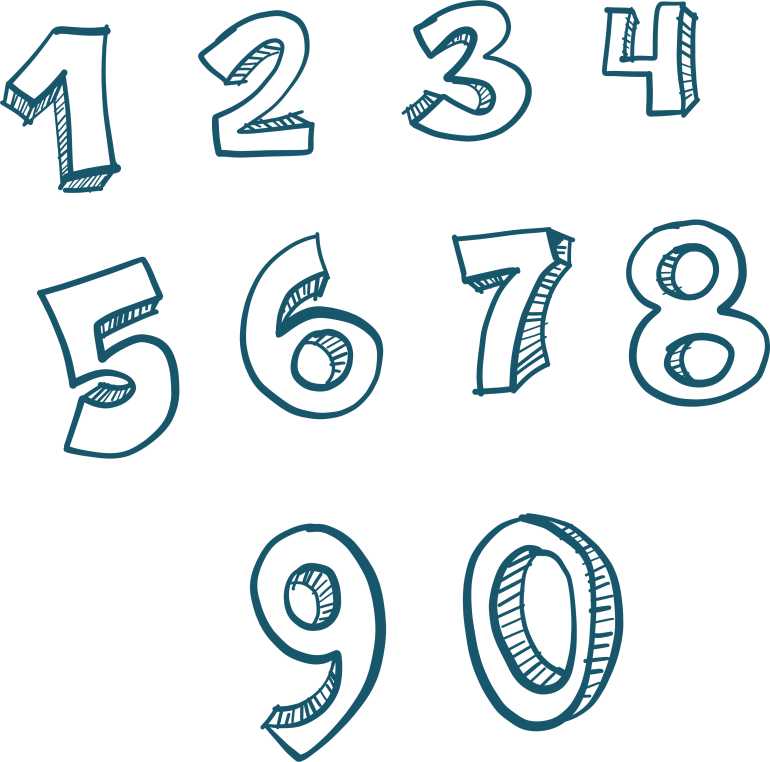
In this class we will revise alphabet, learn numbers and To be, days of week

Chronicles of Narnia GLOW marathon class

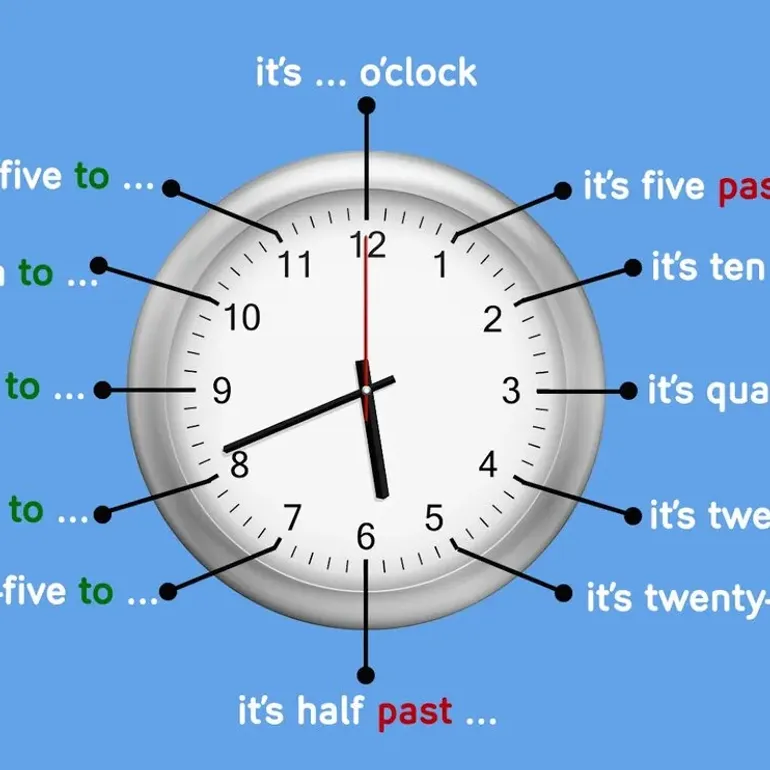
This lesson helps learners understand how to ask for and tell the time in English. Students will learn key expressions such as o’clock, half past, quarter past/to, and how to use a.m. and p.m. They will also practice common questions and answers: “What time is it? – It’s …” and “When does it start? – At …”. The lesson includes: Vocabulary and numbers 1–59 Different ways of telling the time (analog & digital clocks) Using past / to for minutes Expressions with in the morning/afternoon/evening, at night Daily routine activities with time references Activities involve dialogues, matching clocks with the correct time, and role plays to practice schedules and appointments. By the end of the lesson, learners will be able to confidently tell and ask the time in English.

Today we visit the Channel Islands. The Channel Islands are a group of islands in the English Channel, close to the north coast of France. But they are not part of France. And they are not really part of Britain either. The British Queen is also ruler of the Channel Islands, and the British government looks after their defence and foreign affairs. But in other respects, the islands are tiny independent states – they have their own Parliaments and governments and their own laws. Until about 100 years ago, most people on the islands spoke a dialect of French, but today the main language is English.

Intelligence. What does it mean? The word "intelligence" has two main meanings in English. First, it can mean "mental capacity" – if you are intelligent, you can think clearly and rationally, for example. But "intelligence" also means information. For example, we can talk about "market intelligence" – and that means, information about what is happening in a market, such as the stock market or the international oil market. Very often, we use "intelligence" to mean information which is secret, or which has been obtained illegally.

Many English learners find that they get confused between words like "ago", "since" and "for". Today's podcast gives you lots of examples of how to use these words; I hope it will help you to use them correctly.

СРАВНЕНИЕ ВРЕМЕН PRESENT SIMPLE - PRESENT CONTINUOUS

Unit 2 Selling Online; Pre-Intermediate Market Leader textbook.

English pronunciation for Spanish speakers. If Spanish is your native language, this video will help you to fix a common mistakes that Spanish speakers make when they're speaking English. When the letter S is at the beginning of a word and the following letter is a consonant, make sure that you don't add an extra vowel sound before the word. For example, don't say "estudy". Don't take a breath before you say the word. Just start saying the "s". Watch this video for other examples.

Полезный урок для тренировки разговорного английского и произношения. Сначало читаете с английскими субтитрами, а потом без помощи субтитров. Упражнение не на понимание текса, а именно тренировка речи.

A few years ago there were lots of lightbulb jokes in English. You probably had them in your language too. Here is an example. How many policemen/civil servants/school teachers does it take to change a lightbulb? Five – one to stand on a table holding the lightbulb, and four to pick the table up and turn it round. Some people find these jokes very funny. Other people don't think they are funny at all.