- English
Self-partnered or married
In this class we will talk about marrige, idioms and new trends
- Theory with exercises
- Advanced
English

In this class we will talk about marrige, idioms and new trends

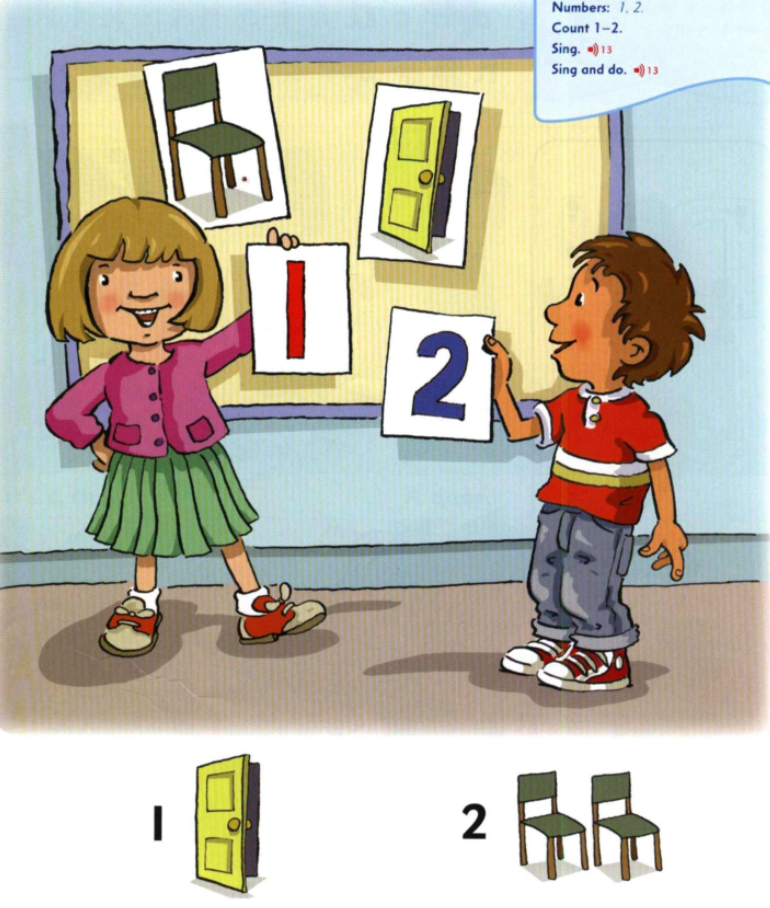
- numbers 1 and review - toys vocabulary

In this class we will discuss weather and learn Future Simple

In this class we will discuss different accents. We will discuss if it is a natural issue or language problem. Also we will revise some phrasal verbs and grammar topic - gerund

In this class we will learn other Unreal past expressions and talk about Criticism.

----Wea re differentWea re differentWea re differentWea re differentWea re differentWea re differentWea re differentWea re differentWea re different

Рассмиотрим образование отрицательной формы глагола to be в Present Simple Рассмиотрим образование вопросительной формы глагола to be в Present Simple Рассмотрим краткие формы глагола to be Тест

We will discuss life moments and revise Past simple and Past Perfect

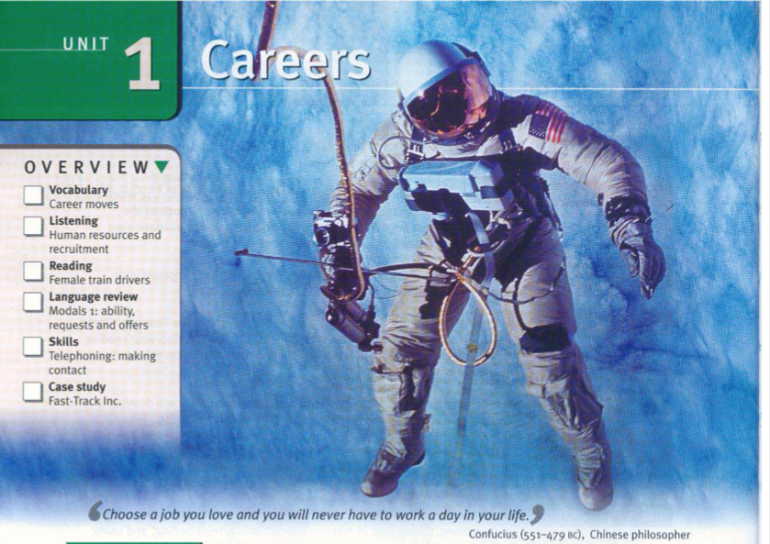
In this class we will discuss unusual job positions, companies and articles

Lesson goals Your student will learn to: apply the vocabulary related to talent shows; discuss a personal story about participation in a talent show; discuss details of spoken texts with advice on how to get the most of talent shows; use conjunctions of purposes, contrast and concession more confidently; bring relevant personal experiences into a conversation about talent shows.

If you heard that there was a piece of technology that could do away with traffic jams, make cities more equitable, and help us solve climate change, you might think about driverless cars, or hyperloops or any of the other new transportation technologies that get lots of hype these days. But there is a much older, much less sexy piece of machinery that could be the key to making our cities more sustainable, more liveable, and more fair: the humble bus. Steven Higashide is a transit expert, bus champion, and author of a new book called Better Buses Better Cities. And the central thesis of the book is that buses have the power to remake our cities for the better. But he says that if we want the bus to reach its potential, we’re going to have to make the experience riding one, a lot more pleasant.

English is full of look-alike and sound-alike words that easily trip up even confident speakers and writers. This lesson breaks down two frequently confused pairs: disassemble vs. dissemble and envelop vs. envelope. By exploring their origin, exact definitions, and silent letter differences, you'll learn how a single letter or syllable completely changes a word from a physical action into a cover, or from a lie into taking something apart. Perfect for refining your writing accuracy and vocabulary precision.

In this lesson, we'll discuss amazing films based on the lives of real people. You'll also revise the grammar and vocabulary of the previous lessons. At the end of the lesson, you'll even come up with an idea for your own film!


Полезный урок для тренировки разговорного английского и произношения. Сначало читаете с английскими субтитрами, а потом без помощи субтитров. Упражнение не на понимание текса, а именно тренировка речи.

Techno Car: The Future of Driving" explores the intersection of cutting-edge automotive tech and smart mobility. From autonomous driving and AI-powered cockpits to electric powertrains and futuristic connectivity, discover how technology is completely redefining the modern car and changing how we hit the road.

Speaking club topics for discussions and new vocabulary

Sometimes, when we talk about something which we think has happened, or which we think will happen, we use the expression "it looks like…"

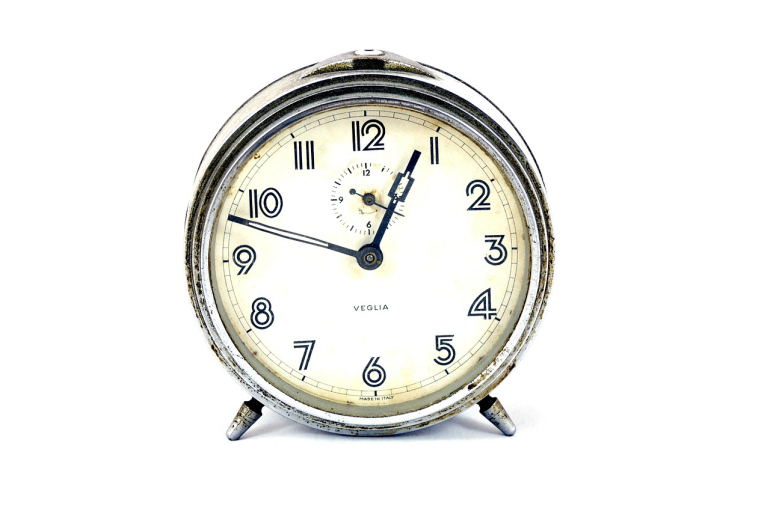
This lesson helps learners understand how to ask for and tell the time in English. Students will learn key expressions such as o’clock, half past, quarter past/to, and how to use a.m. and p.m. They will also practice common questions and answers: “What time is it? – It’s …” and “When does it start? – At …”. The lesson includes: Vocabulary and numbers 1–59 Different ways of telling the time (analog & digital clocks) Using past / to for minutes Expressions with in the morning/afternoon/evening, at night Daily routine activities with time references Activities involve dialogues, matching clocks with the correct time, and role plays to practice schedules and appointments. By the end of the lesson, learners will be able to confidently tell and ask the time in English.

This is from the Advanced English file textbook with vocab about personality.