- German
Deutsch Personalpronomen
Deutsch als Fremdsprache. ich, du, er, sie, es, wir, ihr, sie, Sie
- Video
- Beginner
English

Deutsch als Fremdsprache. ich, du, er, sie, es, wir, ihr, sie, Sie

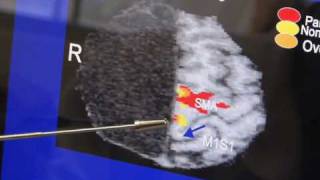
How the Brain Works These brief videos provide an introductory appreciation of how we learn skills and information, move, think, feel, speak and remember. They are brought to you by the UCLA Brain Research Institute and by Bruce H. Dobkin, MD, who directs the neurorehabilitation program in the Department of Neurology at UCLA. The videos especially aim to reach out to students in grade school to stir their interest, and to people with disabilities in walking, using an affected upper extremity, and loss of memory from neurological diseases such as stroke, brain trauma, tumors, multiple sclerosis, cerebral palsy, Parkinsons, and Alzheimers disease.

la tua finestra. Era li` che ti vedevo sempre, quando ancora non sapevo il tuo nome. E tu sognavi un mondo migliore, in cui non si puo` proibire ad un albero di essere albero, e all’azzurro… di diventare cielo. Non so se questo e` un mondo migliore… ora che nessuno mi chiama piu` Davide… ora che mi sento chiamare soltanto signor Veroli, come posso dire che questo e` un mondo migliore? Come posso dirlo senza di te?

Why is it hard to move a heavy bookcase across a carpeted floor? And why is it easier to keep it moving than it was to get it started moving? You might think it's all about weight, but actually it's about friction. Two kinds of friction! In today's episode of Crash Course Physics, Shini Somara tells us about Static and Kinetic friction; how they work and how they're different.

One of the world's most popular games, played by millions of people worldwide in homes, parks, clubs, online, by correspondence, and in tournaments. In recent years, chess has become part of some school curricula.

When you hear the word, "Work," what is the first thing you think of? Maybe sitting at a desk? Maybe plowing a field? Maybe working out? Work is a word that has a little bit of a different meaning in Physics and today, Shini is going to walk us through it. Also, Energy and Power!

Today, we continue our exploration of fluids and fluid dynamics. How do fluids act when they're in motion? How does pressure in different places change water flow? And what is one of the motion annoying things about filming outside on a nice day? I'll give you a hint on that last one... it's lawn mowers.

I'm sure you've all heard about Isaac Newton and that apple that fell on his head and how that was a huge deal to our understanding of gravity. Well... let's talk about that. In this episode of Crash Course Physics, Shini sits down to talk about the realities of the apple story and how Newtonian Gravity is more than a little important.

Did you know that centrifugal force isn't really a thing? I mean, it's a thing, it's just not real. In fact, physicists call it a "Fictitious Force." Mind blown yet? To explore this idea further, this week Shini sits down with us to discuss centripetal force, centrifugal force, and a few other bits of physics to help us understand Uniform Circular motion.

How the Brain Works These brief videos provide an introductory appreciation of how we learn skills and information, move, think, feel, speak and remember. They are brought to you by the UCLA Brain Research Institute and by Bruce H. Dobkin, MD, who directs the neurorehabilitation program in the Department of Neurology at UCLA. The videos especially aim to reach out to students in grade school to stir their interest, and to people with disabilities in walking, using an affected upper extremity, and loss of memory from neurological diseases such as stroke, brain trauma, tumors, multiple sclerosis, cerebral palsy, Parkinsons, and Alzheimers disease.
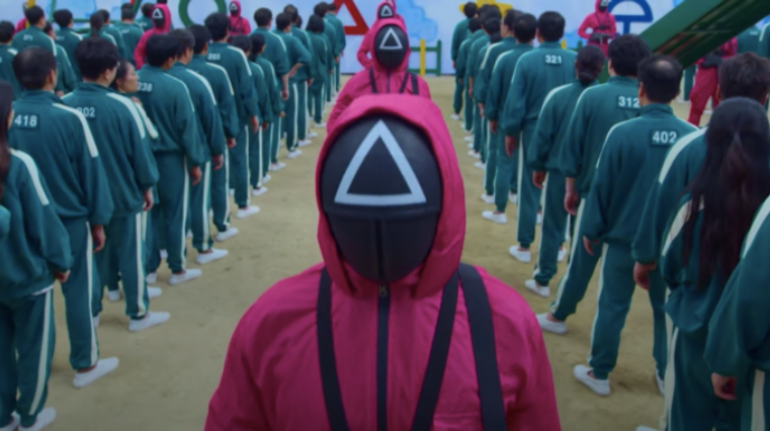
English lesson that is related to the Netflix tv series "Squid Game".

In this lesson we will revise past tenses and the verb would

In this lesson we will discuss gastro-tourism and different cuisines. Also we will discuss grammar topic such as so», «such» and other intensifiers. also we will have speaking tasks.

In this class we will discuss tourism and manners and revise present perfect


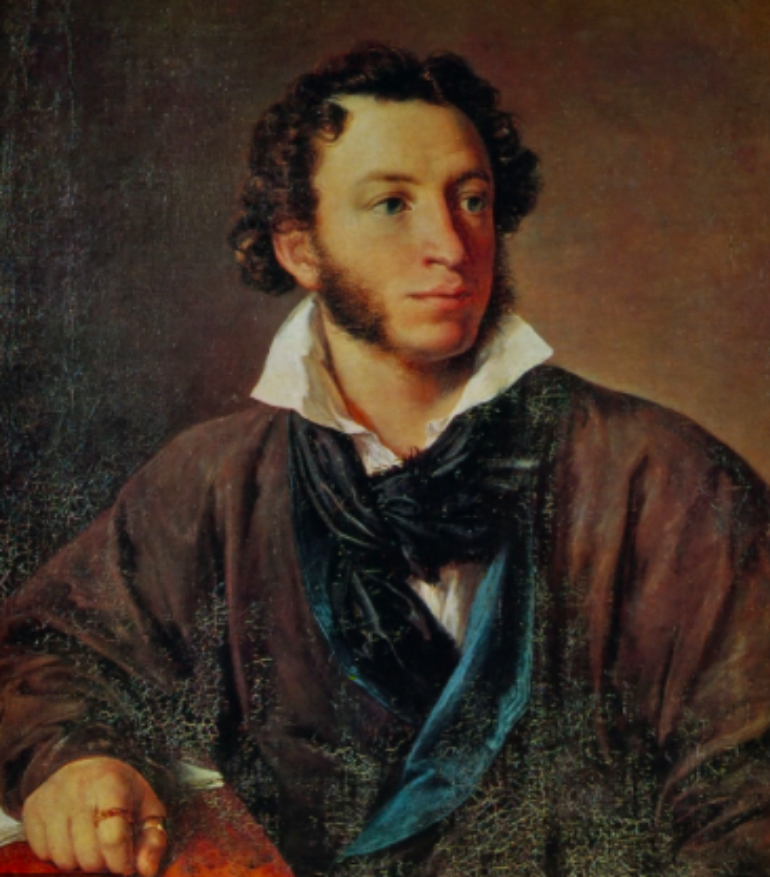
Alexander Sergeyevich Pushkin ( 6 June [O.S. 26 May] 1799 – 10 February [O.S. 29 January] 1837) was a Russian poet, playwright, and novelist of the Romantic era who is considered by many to be the greatest Russian poet and the founder of modern Russian literature.

What do you know about Siena's traditions

Легкий тест для детей на знание специальных вопрос в английском языке

Talks about films with grammar revision and description learning

Who is the Easter Bunny?