

- English
Presenting yourself
Presenting yourself for on public in English
- Theory with exercises
- Elementary
 English



Presenting yourself for on public in English
English
In this class we will discuss different accents. We will discuss if it is a natural issue or language problem. Also we will revise some phrasal verbs and grammar topic - gerund
English
In this class we will play a Christmas quiz and learn new facts and words related to New Year and Christmas time.
English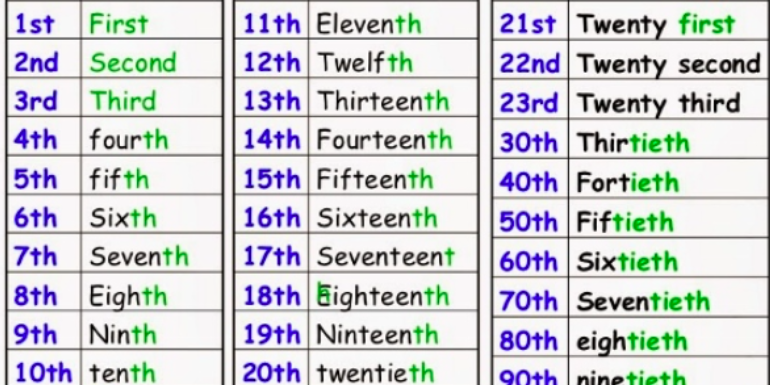
ordinal numerals and cardinal numbers
English

In this lesson we will talk about hobbies and if it can become a business
English
In this class we will become Jumanji players and move to the game that we will need to finish!
EnglishIn this class we will learn family members and Possessive.
English
In this lesson we will discuss what is Agile life and how to use it. Also we will have grammar - tenses
English
Lesson goals Your student will learn to: apply the vocabulary related to talent shows; discuss a personal story about participation in a talent show; discuss details of spoken texts with advice on how to get the most of talent shows; use conjunctions of purposes, contrast and concession more confidently; bring relevant personal experiences into a conversation about talent shows.
English

In this lesson we will discuss customers experience and passive voice.
English
In this lesson we will watch a video about family.
English

One of the world's most popular games, played by millions of people worldwide in homes, parks, clubs, online, by correspondence, and in tournaments. In recent years, chess has become part of some school curricula.
English

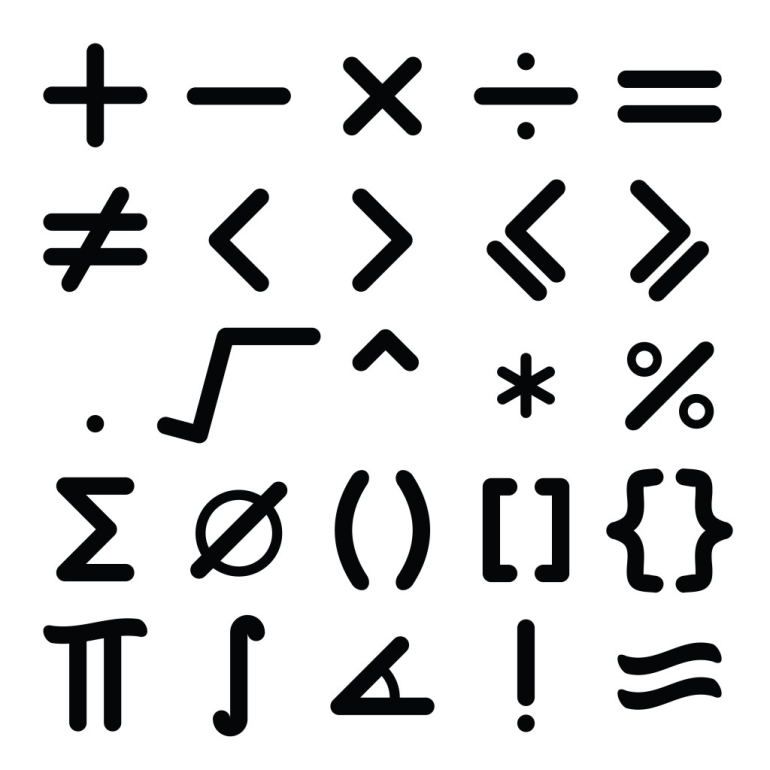
If you have not passed any test for 10 points, return to the appropriate sections of the grammar and analyze the incorrect answers using theoretical material.
English
 English
 English
The history of the United States is what happened in the past in the United States, a country in North America.
English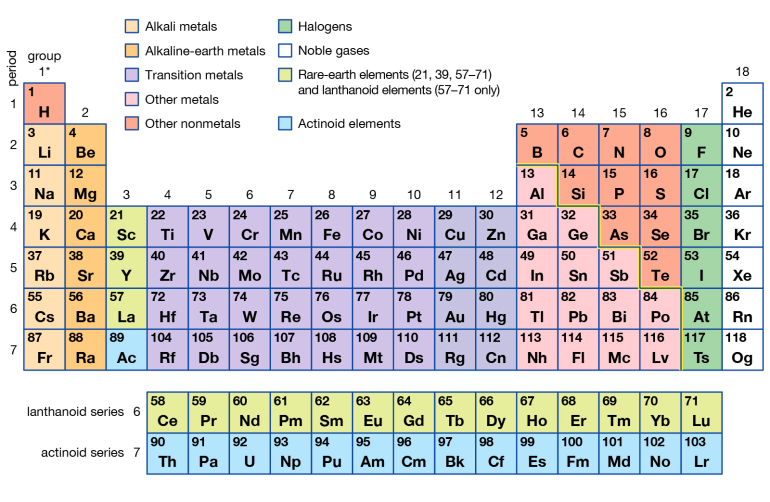
Periodic table, in full periodic table of the elements, in chemistry, the organized array of all the chemical elements in order of increasing atomic number—i.e., the total number of protons in the atomic nucleus. When the chemical elements are thus arranged, there is a recurring pattern called the “periodic law” in their properties, in which elements in the same column (group) have similar properties. The initial discovery, which was made by Dmitry I. Mendeleyev in the mid-19th century, has been of inestimable value in the development of chemistry.
English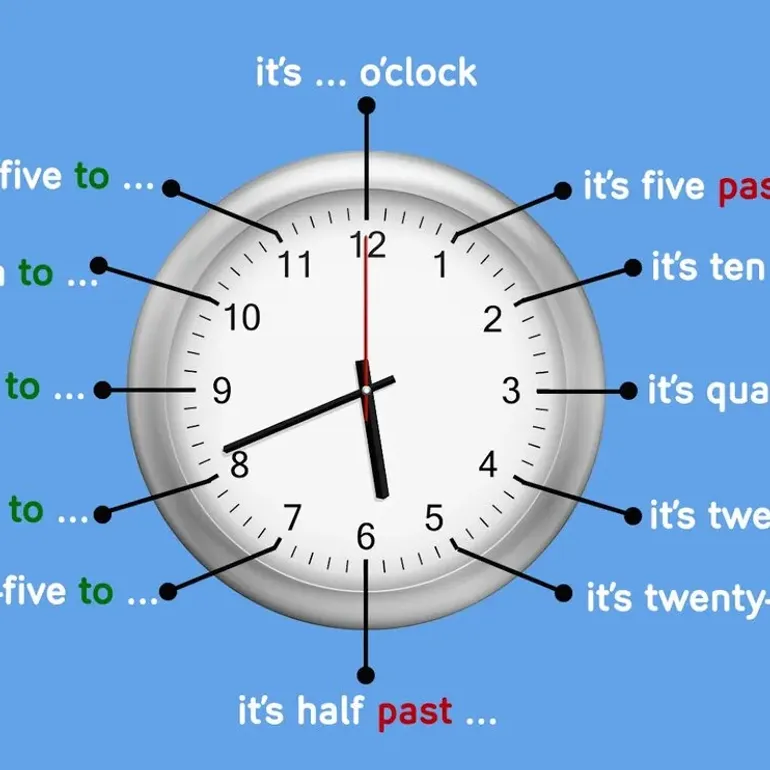
This lesson helps learners understand how to ask for and tell the time in English. Students will learn key expressions such as o’clock, half past, quarter past/to, and how to use a.m. and p.m. They will also practice common questions and answers: “What time is it? – It’s …” and “When does it start? – At …”.
English English
Did you understand the text? Please answer the following questions of understanding after the text
English