
- English
Psychology
In this class we will go deeper in the topic of Psychology
- Theory with exercises
- Pre-Intermediate
 English



In this class we will go deeper in the topic of Psychology
English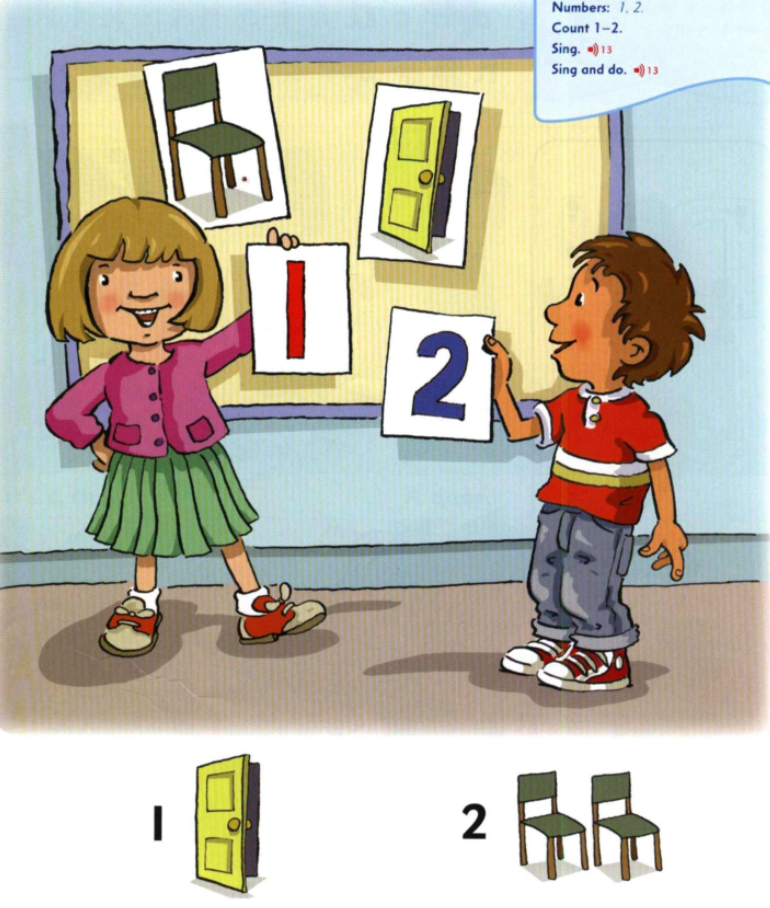
-numbers 1 and 2 -review of classroom vocabulary
English
Grammar: Determiners both, none, either, neither
English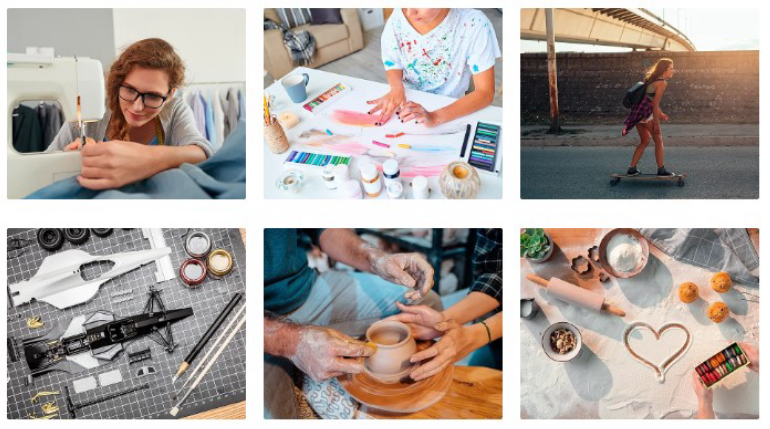
In this class we will talk about hobbies. Also we will learn present simple.
English
In this class we will revise how to introduce yourself and the verb to be + present simple
EnglishWe will revise should and have got
English
In this class we will continue discussing jobs and learn articles a/an/the/-
EnglishPsycologyPsycologyPsycologyPsycology
English
Red Green Blue Orange Yellow Pink Grey Black White Purple Brown
English
Revision class 3: past tenses, used to, prepositions
English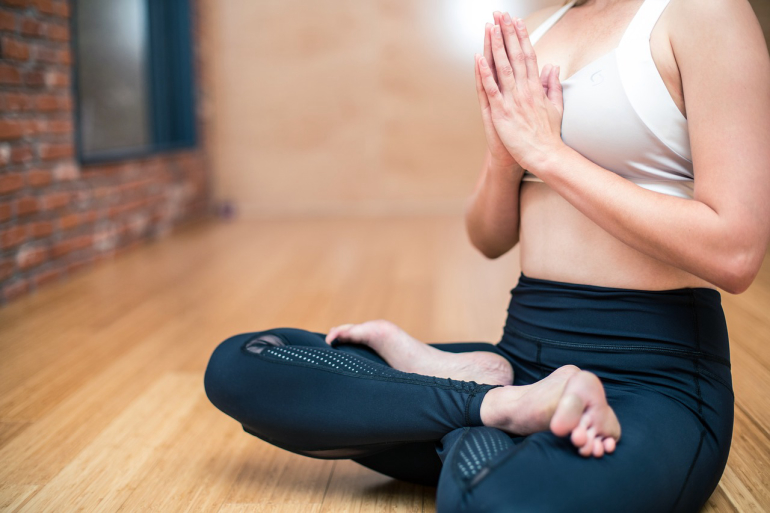
Is it possible to maintain a normal life after retiring from the big sport?
English
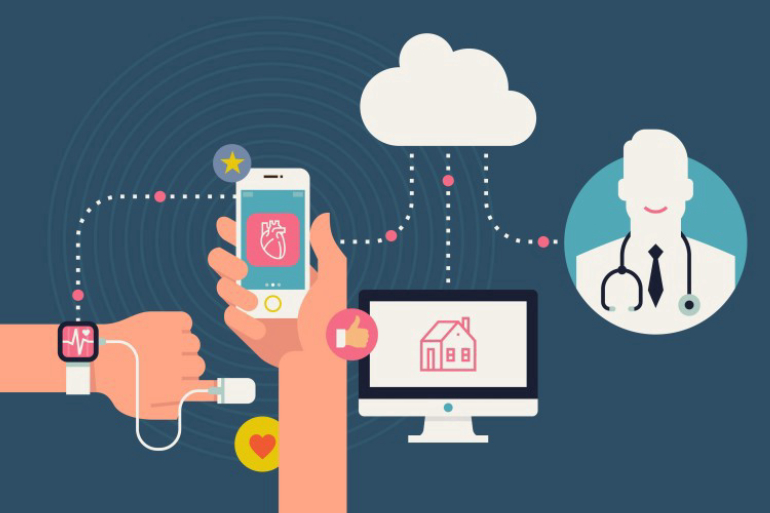
Technology, digital life, online, a digital trail Narrative tenses, Past Simple, Past Continuous, Past Perfect
English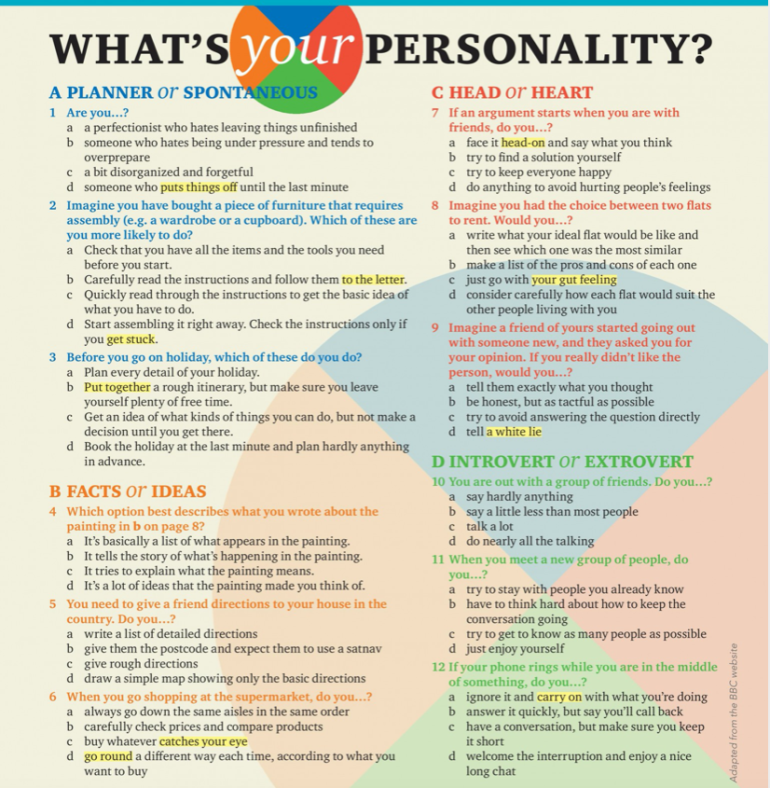
This is from the Advanced English file textbook with vocab about personality.
English
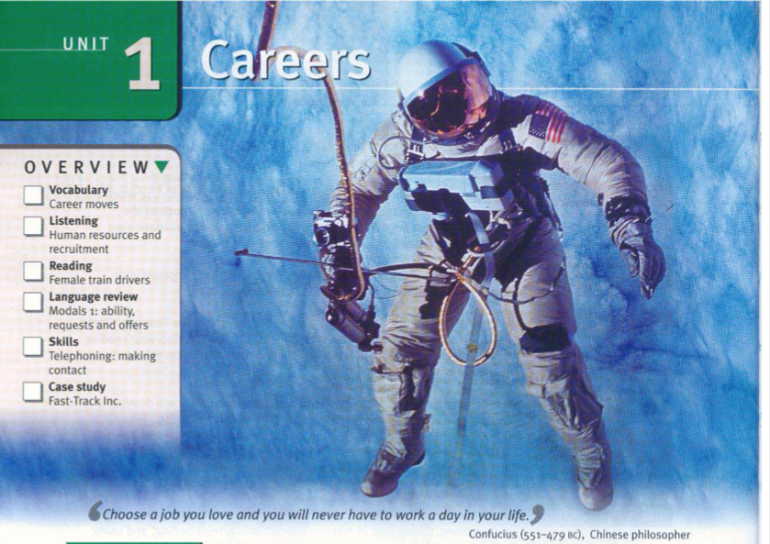
This lesson uses material from the Market Leader textbook and includes vocabulary, reading, grammar, and listening.
English English
Here we can revise all the tenses
English
. The city has a very special vibe compared to other European cities and some people even call it "little India". Besides the city itself, you have other amazing places to visit, like the Island of Capri or Ischia. Napoli's vibe has the advantage that combines the amazing already popular pizza and pasta with the opportunity of being near the sea. You have plenty of diversity, from swimming into the sea to hiking on the Vesuvius Vulcano. #napoli #4k All in all, Napoli (or Naples) it's the perfect traveling destination for every person that needs a little bit of adrenaline. We've been filming it all in 4k resolution as the quality really reflects the reality and how the city looks like in 2019. 4k was always on my list when comes to showing details and making people's eyes open like never before! Just don't forget to change the quality to 4k before you watch it! :)
English
In this lesson we will learn present simple
English
Learn how to use basic verbs in Italian
English
 English