

- Chemistry
- Exercise
- Beginner
 English


 English
alphabet video for kids/alphabet video for kids
English
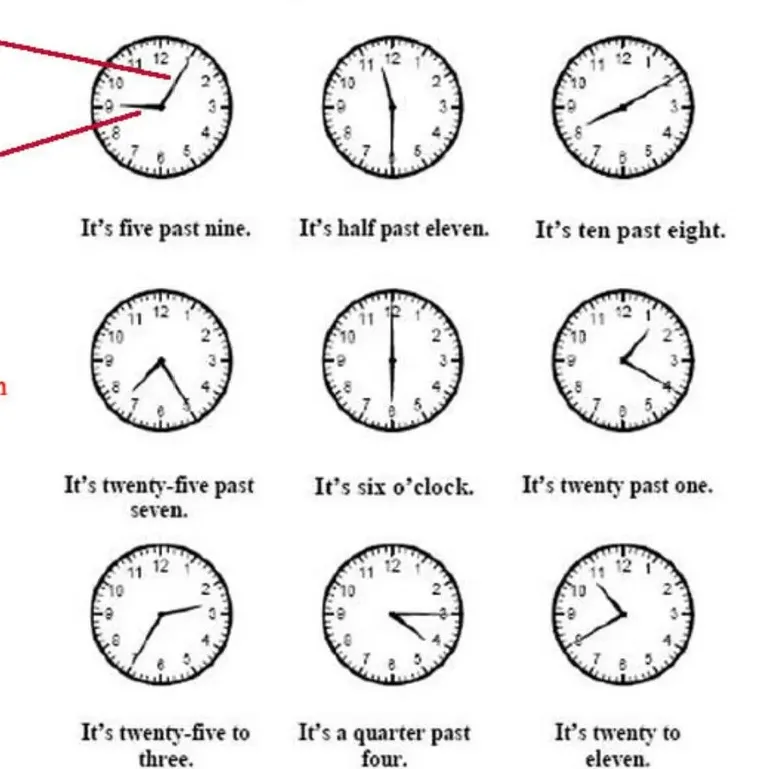
This lesson helps learners understand how to ask for and tell the time in English. Students will learn key expressions such as o’clock, half past, quarter past/to, and how to use a.m. and p.m. They will also practice common questions and answers: “What time is it? – It’s …” and “When does it start? – At …”. The lesson includes: Vocabulary and numbers 1–59 Different ways of telling the time (analog & digital clocks) Using past / to for minutes Expressions with in the morning/afternoon/evening, at night Daily routine activities with time references Activities involve dialogues, matching clocks with the correct time, and role plays to practice schedules and appointments. By the end of the lesson, learners will be able to confidently tell and ask the time in English.
English

----
English
Use of English Reading Speaking
English
The Physics we're talking about today has saved your life! Whenever you walk across a bridge or lean on a building, Statics are at work. Statics is the study of objects when they're NOT accelerating. In this episode of Crash Course Physics, Shini talks to us about stretching, compressing, and springing as they relate to Statics! Also... Game of Thrones.
English
In this class we will discuss climate changes and different ecological issues. We will learn Third Conditional type, train it and see how it differes from another conditional types.
English

Have you a dream? I mean, is there something that you would really like to do in your life – such as travelling round the world, or writing a best-selling novel, or climbing Mount Everest, or learning a new language. Good. It is important that we have dreams like these. But what would you do to achieve your dream. Would you, for example, walk out of your job so that you could do the thing you really want to do? Hmm. That might be difficult. How would you get the money you need to live on? And suppose you had a well-paid and very important job. Would you give that job up to pursue your dream? This morning's newspapers tell us about someone who has done just that. His name is Paul Drayson. He is 47 years old. He started his career as a businessman, and he was very successful. He made a fortune as boss of a company which makes equipment for giving people medical injections without sticking a needle into them. Then he became interested in politics. He gave a lot of money to the Labour Party. The government made him a member of the House of Lords, which is the upper chamber of the British parliament. (This means that he is now Lord Drayson, and not plain, ordinary Mr Drayson.) Then Lord Drayson became a minister in the government, at the Ministry of Defence. He was responsible for buying equipment for the British armed forces. Both the government’s supporters and his opponents said that he was good at his job. He obviously had a bright political career ahead of him. But Lord Drayson had a dream. It was a dream about driving motorcars very fast. He bought a 6-litre Aston Martin racing car. He drove it around race tracks. He competed in races; then he started to win some of the races, and this year he came third in the British GT championship. (The GT championships are for cars which are nearly the same as cars which you can drive on normal roads). People who know him say that, as a racing driver, Paul Drayson is both brave and intelligent.
English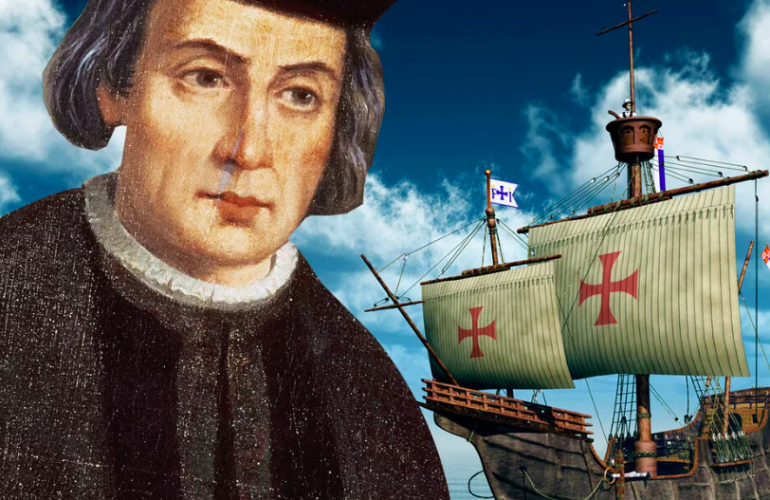
Cristoforo Colombo nasce vicino a Genova nel 1451 e già da giovane comincia ad appassionarsi al mare e alla navigazione.
English

We learn a lot about our surroundings thanks to sound. But... what is it exactly? Sound, that is. What is sound? And how does it travel? And what is this Doppler Effect that we've heard so much about? In this episode of Crash Course Physics, Shini goes over some of the basics (and some of the not so basics) of the Physics of Sound.
English