- Italian
Test after Lesson 1 - Italian for beginners
Test after Lesson 1 - Italian for beginners
- Exercise
- Beginner
 English

Test after Lesson 1 - Italian for beginners
English Russian

In this lesson we will discuss men, their roles and learn new vocabulary.
English

In this class we will practice speaking skill about family, friendship and happiness
English
This lesson is about future super-human and Technologies which are people creating. In this class we will also discuss future tenses and see the differences between them.
English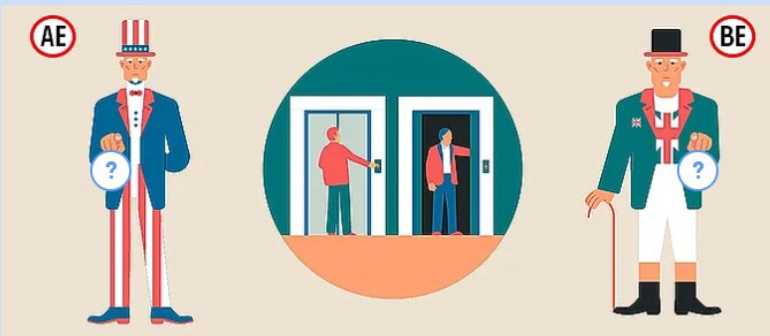
In this class we will see the difference between British English and American English, we will spell different words and phrases and practice speaking skills.
English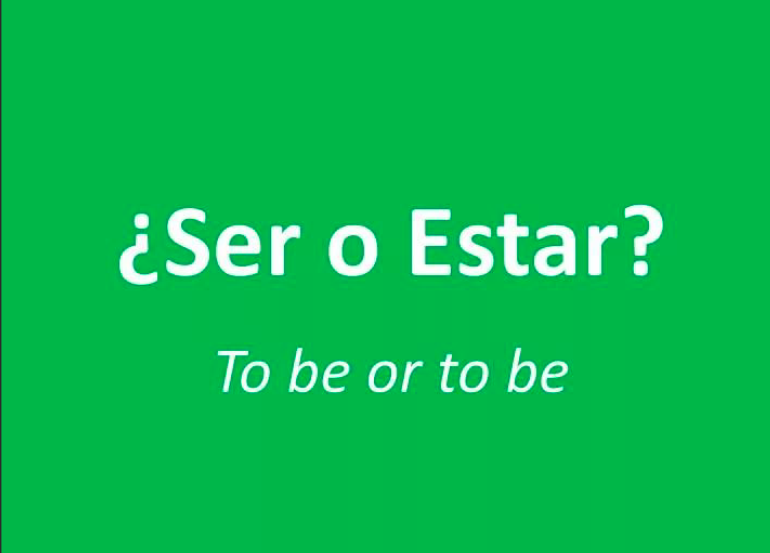
In the previous three lessons you learned the fundamental difference between ser and estar — essence or condition, as well as some common uses for each verb. This lesson presents the two verbs side by side, with the emphasis on contrasting their uses. In the process, much — but not all — of the previous three lessons will be reviewed.
English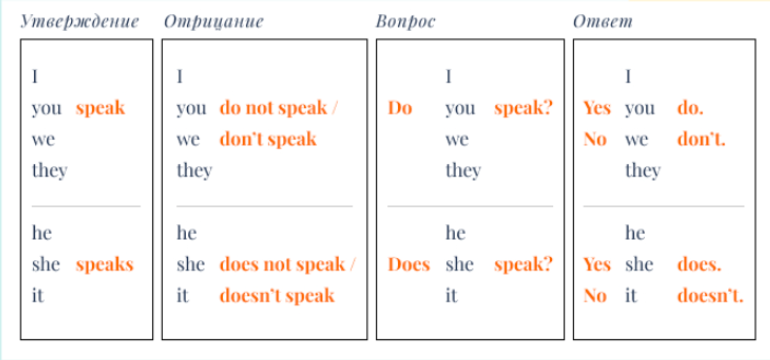
Present Simple: ex (I work in a bank. (work))
English
-como se forma el modo subjuntivo -usos -tareas -presente de indicativo vs presente de subjuntivo -pretérito perfecto de subjuntivo
Spanish
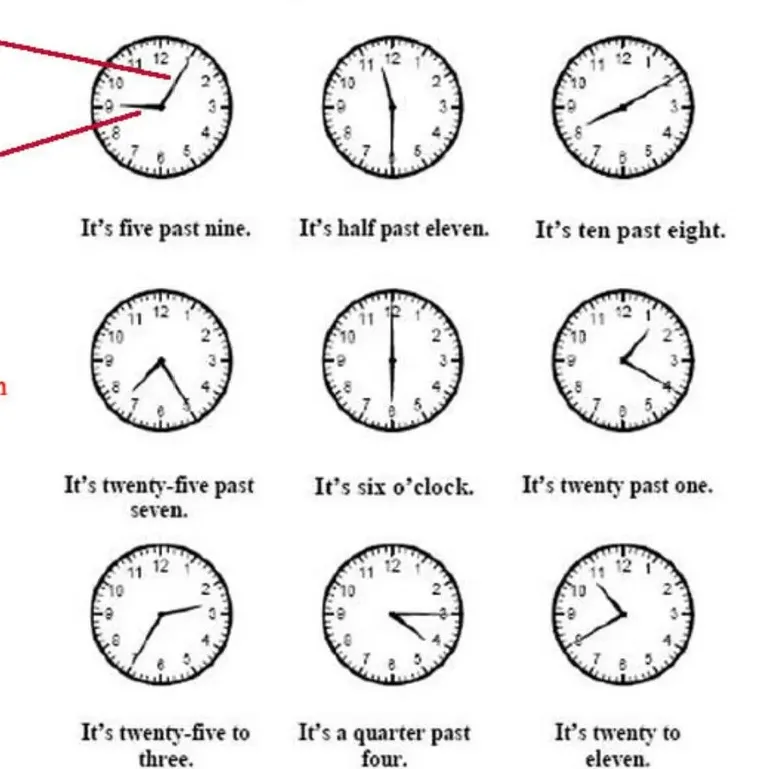
This lesson helps learners understand how to ask for and tell the time in English. Students will learn key expressions such as o’clock, half past, quarter past/to, and how to use a.m. and p.m. They will also practice common questions and answers: “What time is it? – It’s …” and “When does it start? – At …”. The lesson includes: Vocabulary and numbers 1–59 Different ways of telling the time (analog & digital clocks) Using past / to for minutes Expressions with in the morning/afternoon/evening, at night Daily routine activities with time references Activities involve dialogues, matching clocks with the correct time, and role plays to practice schedules and appointments. By the end of the lesson, learners will be able to confidently tell and ask the time in English.
English