


- English
Australia+ New Zealand
GLOLW marathone Day 3 Australia and New Zealand
- Theory
- Intermediate
 English

GLOLW marathone Day 3 Australia and New Zealand
English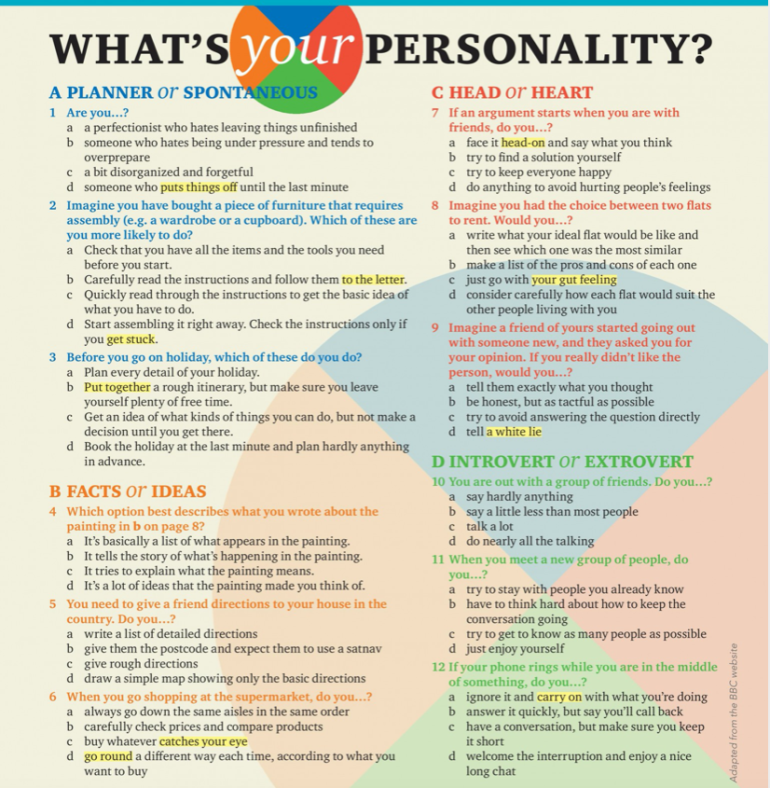
This is from the Advanced English file textbook with vocab about personality.
English
In this lesson we will introduce the prepositional case. It will also attempt to expand your vocabulary to include a number of places. The prepositional case is one of the easiest Russian cases to learn. It is also one of the most useful. It will allow you to expand your use of Russian phrases to include useful phrases like “I live in Russia”. The prepositional case has no meaning of it’s own. It is simply used after certain Russian prepositions. Afterwards we will introduce you to the Russian words for ‘to go’. The prepositional case is used after the prepositions “в” (in), “на” (on/at), “о” (about).
Russian
Welcome to the lesson about Russian names! We will investigate Russian names, their origin and usage. The three-part form of modern Russian names consists of a first name, patronymic and surname . It first appeared in the 10th century but became normal during the reign of Tzar Peter I.
Russian
In the previous two lessons you learned the fundamental difference between ser and estar – essence or condition (“what” something is v. “how” something is), as well as some common uses for the verb ser. This lesson examines the other Spanish verb for “to be”: estar.
English
The history of the United States is what happened in the past in the United States, a country in North America.
English
Covers introduction, hobbies and "I see"-game
English
In this lesson we will learn present simple
English

This lesson uses material from the Market Leader textbook and includes vocabulary, reading, grammar, and listening.
English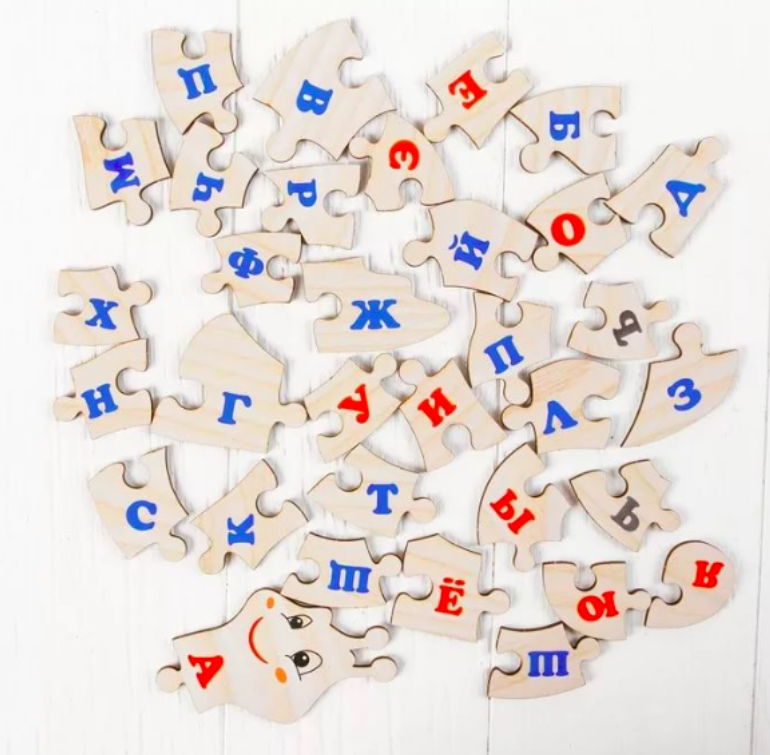
The Russian alphabet is easy to learn! Learning the alphabet is the first step to learning the Russian language. Even if you don't plan to learn the language, knowing the alphabet is great for travelling because you can read all the street and shop signs. It may seem daunting to learn a new alphabet, but it is relatively easy. In fact, the great thing about Russian is that almost all words can be sounded out as they are written.
Russian
English lesson that is related to the Netflix tv series "Squid Game".
English English
In this lesson we will revise past tenses and the verb would
English
In this lesson we will discuss gastro-tourism and different cuisines. Also we will discuss grammar topic such as so», «such» and other intensifiers. also we will have speaking tasks.
English
Health - illnesses - how to teat illnesses Covid + omicron variend - reading + listening
English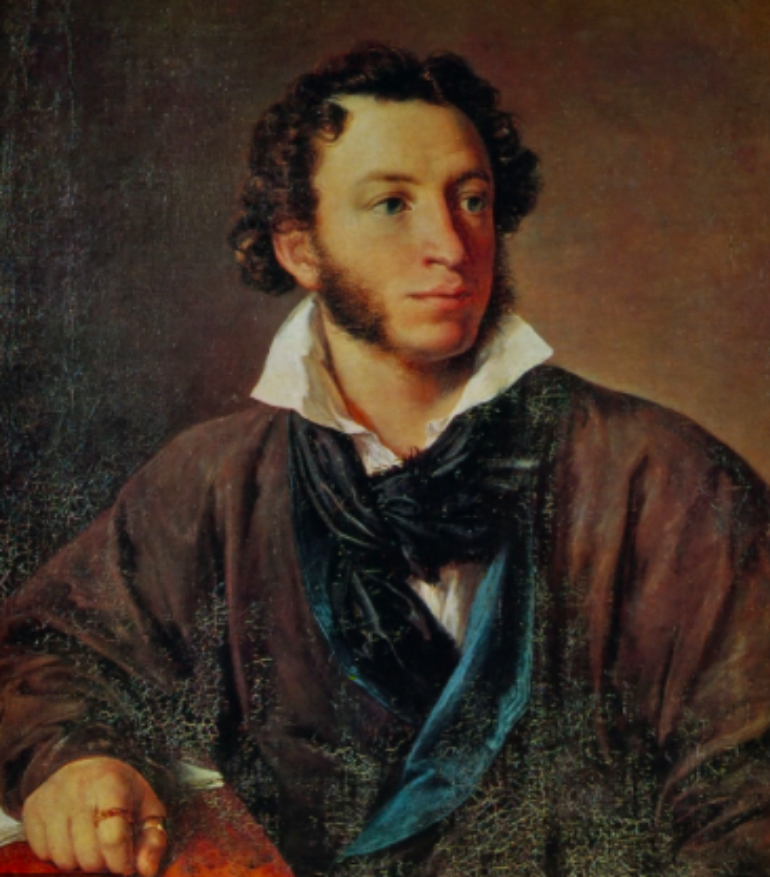
Alexander Sergeyevich Pushkin ( 6 June [O.S. 26 May] 1799 – 10 February [O.S. 29 January] 1837) was a Russian poet, playwright, and novelist of the Romantic era who is considered by many to be the greatest Russian poet and the founder of modern Russian literature.
English-wide.png "Clothes")
In this class we will discuss clothes and colors
English
In this class we will discuss tourism and manners and revise present perfect
English-wide.jpg "Podcast - Coffee Drinking in Australia")
Вначале идет прослушивание подкаста, после идет текст подкаста, где вы можете посмотреть моменты, которые не поняли, далее идет мини опрос на понимание подкаста.
English
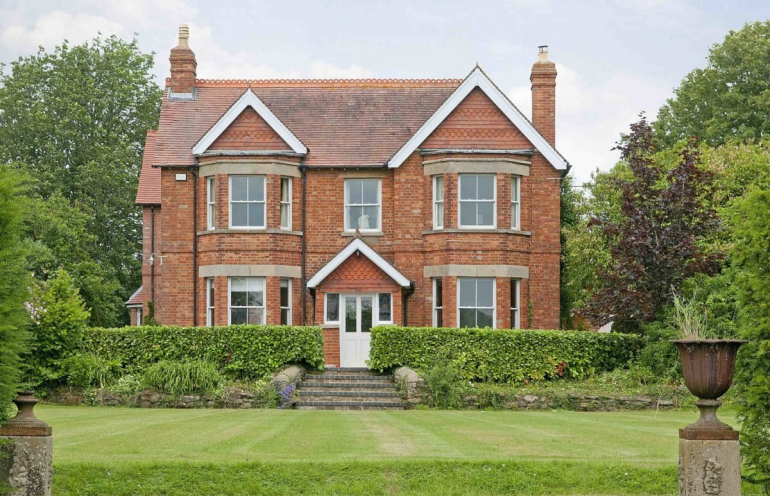
There are 22 million homes in Britain - big homes and small homes, old cottages and new buildings, houses and flats. (Americans say "apartment" but British people say "flat"). Many British people love old houses and these are often more expensive than modern ones. They also love gardening and you will see gardens everywhere you go: in towns, villages and out in the country. Some are very small with just one tree and a few flowers.
English