


- English
Eco-friendly
We will discuss ecological issues and eco-friendly activities, also we will revise Reported Speech statements.
- Theory with exercises
- Upper Intermediate
 English

Nothing found.
We couldn’t find any matching results. Try adjusting your keywords or browsing by category.
We will discuss ecological issues and eco-friendly activities, also we will revise Reported Speech statements.
English
AI is something that can truly change our reality, or has it already done it? Social media is already influencing us, that's for sure! In this lesson, you will look at the results of using new technologies and try to predict the possible effects this usage can have in the near future. The best predictor of future performance is past performance, right?
English
 English

Is there a secret key to achieve your goals without much effort? Hmm… Lots of people insist that the only thing you need is to plan and set your goals in the right way. But what is the right way? In this lesson, you'll find some tips that might be useful for your productive goal setting. You'll also try to put this knowledge into practice. Moreover, you'll have a chance to revise the usage of gerunds and infinitives, as well as intensifiers.
English
la lezione e` dedicata ai sostantivi maschili e femminili
Italian

大家好!Всем привет! Как сказать путешествовать по-китайски, 旅游 lǚyóu или 旅行 lǚxíng? И в чём разница?

 Russian

In this class we will talk about motivation at work and life.
English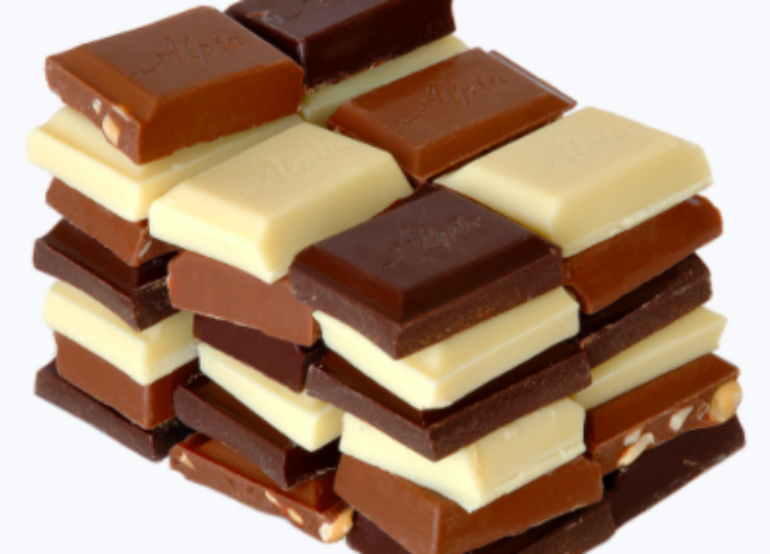
BOB DOUGHTY: I'm Bob Doughty. SHIRLEY GRIFFITH: And I'm Shirley Griffith with EXPLORATIONS in VOA Special English. Today we travel around the world exploring the history of chocolate. Its story begins with a plant whose scientific name, Theobroma cacao, means "food of the gods." For centuries, people have been enjoying the rich flavor of chocolate, a product made from this plant. Join us as we tell about the history of chocolate and how it is produced. We will also meet Jane Morris, a chocolate maker in Washington, DC. (MUSIC) BOB DOUGHTY: Most people today think of chocolate as something sweet to eat or drink than can be easily found in stores around the world. It might surprise you that chocolate was once highly treasured. SHIRLEY GRIFFITH: Historians believe the Maya people of Central America first learned to farm cacao plants around two thousand years ago. The Maya took the cacao trees from the rainforests and grew them in their gardens. They cooked the cacao seeds, then crushed them into a soft paste. They mixed the paste with water and flavorful spices to make an unsweetened chocolate drink. The Maya poured the chocolate drink back and forth between two containers so that the liquid had a layer of bubbles, or foam. Cacao and chocolate were an important part of Maya culture. There are often images of cacao plants on Maya buildings and art objects. Ruling families drank chocolate at special ceremonies. And, even poorer members of society could enjoy the drink once in a while.
English
How a music and dance form created in New York in the early 1970s is giving artists worldwide a new stage for political expression.
English