
- English
Modals
In this lesson we will revise modal verbs
- Theory with exercises
- Advanced
 English



Nothing found.
We couldn’t find any matching results. Try adjusting your keywords or browsing by category.
In this lesson we will revise modal verbs
English
Here are the words you can use to ask questions!
English

In this class we will talk about sport and revise question forms of present simple and continuous
EnglishIn this class we will talk about hobbies and revise Present vs Future Simple
English
In this class we will discuss relationship crisis and what are the reasons of breaking up for couples. We will share experiences and see psycological points of view. Also we will look at the grammar topic "Should you..."
EnglishIn this class we will discuss life coaching and revise all tenses
English
GENDER OF NOUNS PART II: QUIZ #1
English
How the Brain Works These brief videos provide an introductory appreciation of how we learn skills and information, move, think, feel, speak and remember. They are brought to you by the UCLA Brain Research Institute and by Bruce H. Dobkin, MD, who directs the neurorehabilitation program in the Department of Neurology at UCLA. The videos especially aim to reach out to students in grade school to stir their interest, and to people with disabilities in walking, using an affected upper extremity, and loss of memory from neurological diseases such as stroke, brain trauma, tumors, multiple sclerosis, cerebral palsy, Parkinsons, and Alzheimers disease.
English

In this lesson, we'll talk about different tips and tricks on how to take less luggage on a trip. What helps you decide which clothes to pack? Where should you put expensive things? We'll also revise the Passive Voice, countable and uncountable nouns and the vocabulary to talk about minimalism, everyday things and materials.
English
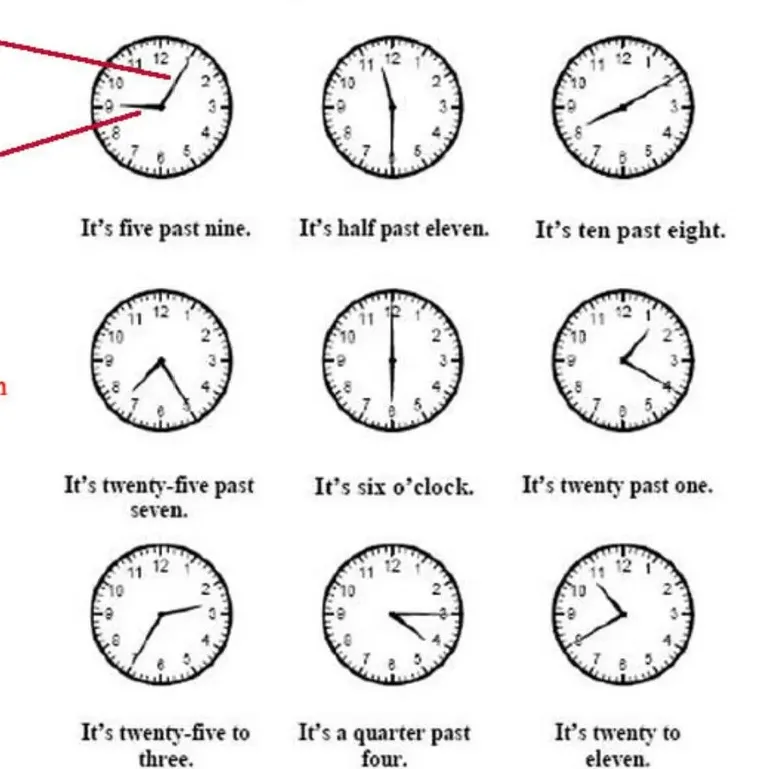
This lesson helps learners understand how to ask for and tell the time in English. Students will learn key expressions such as o’clock, half past, quarter past/to, and how to use a.m. and p.m. They will also practice common questions and answers: “What time is it? – It’s …” and “When does it start? – At …”. The lesson includes: Vocabulary and numbers 1–59 Different ways of telling the time (analog & digital clocks) Using past / to for minutes Expressions with in the morning/afternoon/evening, at night Daily routine activities with time references Activities involve dialogues, matching clocks with the correct time, and role plays to practice schedules and appointments. By the end of the lesson, learners will be able to confidently tell and ask the time in English.
English