

- English
spoon
столовые приборы: spoon, jug, glass...
- Theory with exercises
- Beginner
 English

столовые приборы: spoon, jug, glass...
English
Undoubtedly, you know what first aid is, but have you ever heard of emotional first aid? In this lesson, you will find out why it is crucial to care for mental health, how to recognise if someone is getting through life difficulties, and how to help them to manage their feelings and emotions to get back on track. Also, you will learn how to use a number of modal and non-modal verbs while speculating about getting over distressing situations.
English

Genres, films and useful words
English
In this lesson we will talk about hobbies and if it can become a business
English

Practice matching the opposite words!
English
English is full of look-alike and sound-alike words that easily trip up even confident speakers and writers. This lesson breaks down two frequently confused pairs: disassemble vs. dissemble and envelop vs. envelope. By exploring their origin, exact definitions, and silent letter differences, you'll learn how a single letter or syllable completely changes a word from a physical action into a cover, or from a lie into taking something apart. Perfect for refining your writing accuracy and vocabulary precision.
English

In this class we will talk about traditions and revise zero, first and second conditionals
EnglishWe will discuss ecological issues and eco-friendly activities, also we will revise Reported Speech statements.
English
Edward de Bono's Six Thinking Hats approach is a simple way to gain objective perception of information in all areas. Putting on a hat of a certain color, a person plays a certain role that corresponds to it, looks at the problem from a certain point of view. There are six hats: white, yellow, red, black, green and blue.
English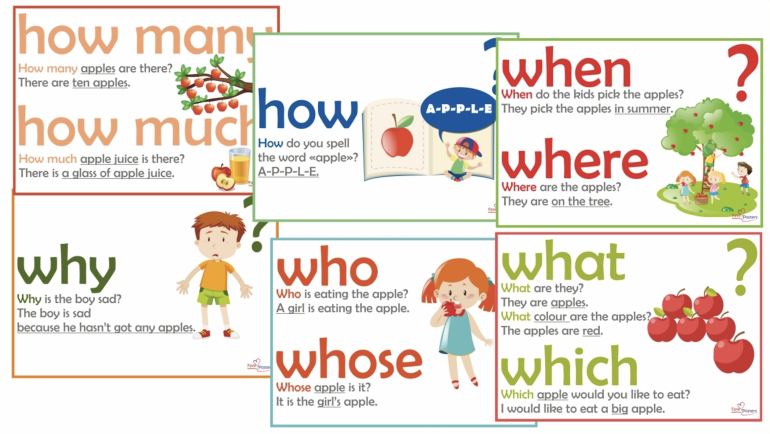
What? — Что? Where? — Где? When? — Когда? Why? — Почему? Who? — Кто? Which? — Который? Whose? — Чей? Whom? — Кого?
English