


- English
Vocabulary Intermediate
Vocabulary Intermediate and higher level
- Reading
- Intermediate
 English

Vocabulary Intermediate and higher level
English
A boy and his friends find a coin. They make a small hole in it. They then tie a piece of cotton thread through the hole, and take the coin and the thread to the park near their home. They put the coin down on a path where someone walking by will see it, and hide themselves in the bushes nearby. Someone – an old gentleman perhaps – walks by. He sees the coin on the ground and bends down to pick it up. The boys pull the thread and the coin jumps away out of reach. With any luck the old gentleman falls over. The boys run off, laughing. My father-in-law says that he did this (and lots of other naughty things!) when he was young. The word MISCHIEF means something which we do for fun and which annoys, teases or makes fun of someone. The boys in my story were UP TO MISCHIEF. "You little monkeys – up to mischief again", the old man might have shouted at them as they ran off. Or he might have said things that I could not possibly repeat on a family podcast like this one. The adjective which comes from mischief is MISCHIEVOUS. The boys in my story were MISCHIEVOUS. And we can also use MISCHIEVOUS to describe the things that they did – a mischievous game, perhaps, or a mischievous thing to do. A joke for you. A priest is walking down the street. He sees a small boy stretching to reach the doorbell on a house. But the doorbell is high up, and the boy is only small, and he cannot stretch far enough. So the priest crosses the road and rings the doorbell for the boy. He looks down and says, "Well, my son, what happens now?" "We run, father".
English

Do you know the English expression "to keep track of" something? If you "keep track of" something, you always have a good, up-to-date knowledge of it. Here are some examples to help you understand the way we use the expression.
English
Рассмиотрим образование отрицательной формы глагола to be в Present Simple Рассмиотрим образование вопросительной формы глагола to be в Present Simple Рассмотрим краткие формы глагола to be Тест
English

In this lesson we will talk about 21 century and different addictions. Also we will start learning conditional sentences (Zero and First conditionals).
English
parts of the face. exercises and theory
English
Business Vocabulary for classes
English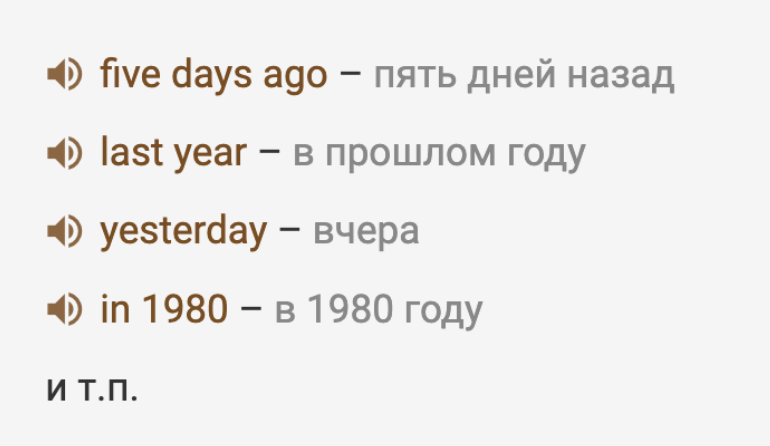
Время Past Simple используется для обозначения действия, которое произошло в определенное время в прошлом и время совершения которого уже истекло. Для уточнения момента совершения действия в прошлом при использовании времени Past Simple обычно используются такие слова, как:
English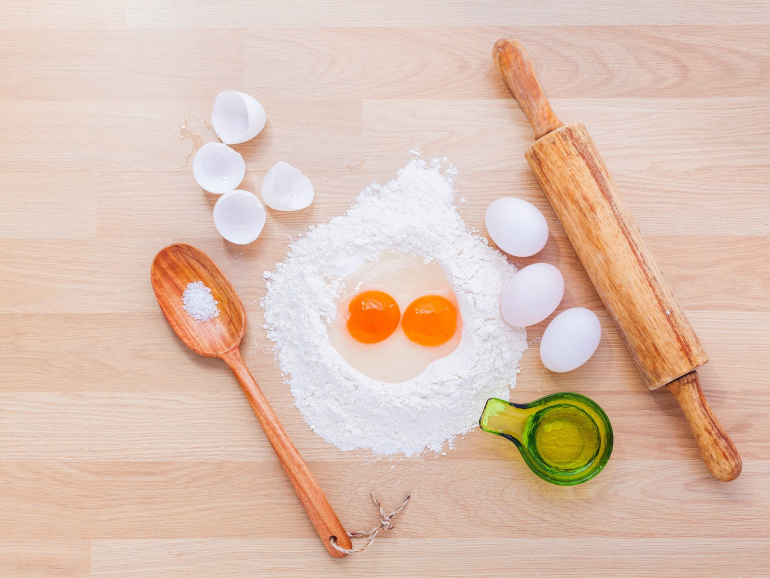
Learning how to cook in English
English

Role Play lesson - how to act during chekin, in departure hall and at customs
English