


- English
Presenting yourself
In this class we will practice presenting yourself and linking words.
- Theory with exercises
- Upper Intermediate
 English

Nothing found.
We couldn’t find any matching results. Try adjusting your keywords or browsing by category.
In this class we will practice presenting yourself and linking words.
English
This lesson is a small test to understand the level of English language of a student, to set the goals and choose the programm of the future classes for the student.
English
Hello everyone. A few years ago, I moved from England to New Zealand to coach football to children in Auckland, the biggest city in New Zealand. I'd like to tell you about the differences between football in England and football in New Zealand. I grew up in London in England and spent many hours as a child playing football with my friends in the park. We used to play football after school and at the weekend, and often all day long in the school holidays. One of the first things I noticed when I moved to New Zealand was that very few children play football after school or at the weekends. Even on a sunny day in New Zealand, many of the parks will be completely empty! In cities in England, children will arrange to meet their friends for a game in the park, but in New Zealand the children only ever play football when it's organised for them by their parents or by their team coach. If you've ever played football, you will know that it takes many hours of practice to get skilful and make the ball do anything you want it to. Sometimes it can take lots and lots of mistakes before a child gets it right! In New Zealand, children don't spend a lot of time playing football on their own so they don't try new things and make mistakes. Instead they spend an hour or two a week being told what to do by a parent or a coach. This means they don't get to make their own mistakes and learn things for themselves. Imagine learning English and never being allowed to make a mistake? It would be very difficult, and not much fun either!
English
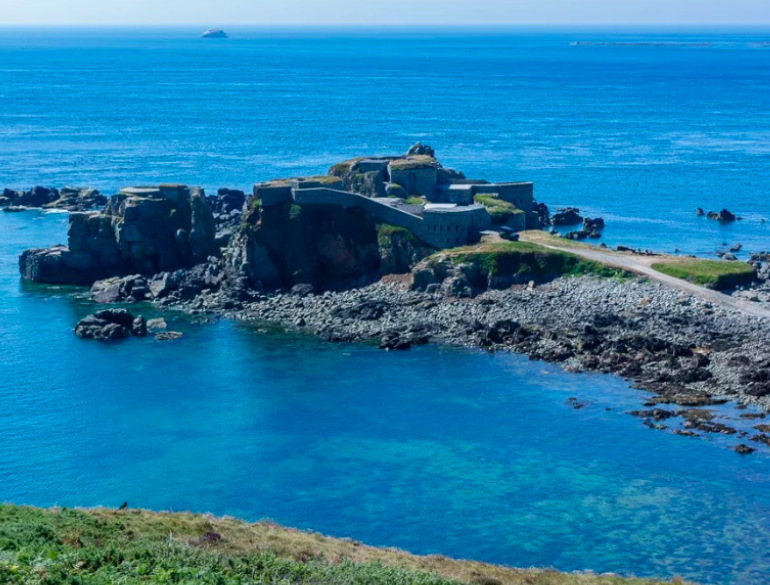
Today we visit the Channel Islands. The Channel Islands are a group of islands in the English Channel, close to the north coast of France. But they are not part of France. And they are not really part of Britain either. The British Queen is also ruler of the Channel Islands, and the British government looks after their defence and foreign affairs. But in other respects, the islands are tiny independent states – they have their own Parliaments and governments and their own laws. Until about 100 years ago, most people on the islands spoke a dialect of French, but today the main language is English.
English

In this class we will discuss different interesting rules in other countries. Also we will learn grammar - modal verbs Must and Have, practice they usage.
English
In this lesson, we'll discuss amazing films based on the lives of real people. You'll also revise the grammar and vocabulary of the previous lessons. At the end of the lesson, you'll even come up with an idea for your own film!
English

English pronunciation for Spanish speakers. If Spanish is your native language, this video will help you to fix a common mistakes that Spanish speakers make when they're speaking English. When the letter S is at the beginning of a word and the following letter is a consonant, make sure that you don't add an extra vowel sound before the word. For example, don't say "estudy". Don't take a breath before you say the word. Just start saying the "s". Watch this video for other examples.
English
In this lesson we will discuss advertising, how it works and see different tricks. Also we will learn grammar topic - gerund or infinitive and see how to use them.
English English
Spoken class about how t challange yourself to do something in order to achieve yor goal
English