
- Biology
- Exercise
- Pre-Intermediate
 English


 English
 English
 English
 English
 English
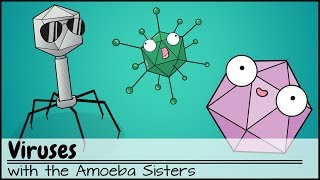
Explore the lytic and lysogenic viral replication cycles with the Amoeba Sisters! This video also discusses virus structures and why a host is critical for viral reproduction. Expand details for table of contents and further reading suggestions! This updated video replaces our older virus video
 English
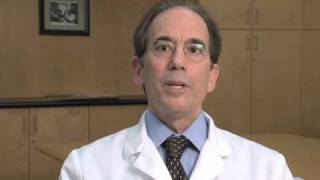
How the Brain Works These brief videos provide an introductory appreciation of how we learn skills and information, move, think, feel, speak and remember. They are brought to you by the UCLA Brain Research Institute and by Bruce H. Dobkin, MD, who directs the neurorehabilitation program in the Department of Neurology at UCLA. The videos especially aim to reach out to students in grade school to stir their interest, and to people with disabilities in walking, using an affected upper extremity, and loss of memory from neurological diseases such as stroke, brain trauma, tumors, multiple sclerosis, cerebral palsy, Parkinsons, and Alzheimers disease.
 English
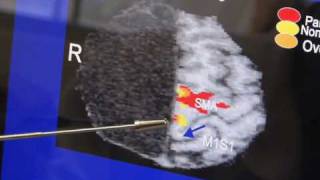
How the Brain Works These brief videos provide an introductory appreciation of how we learn skills and information, move, think, feel, speak and remember. They are brought to you by the UCLA Brain Research Institute and by Bruce H. Dobkin, MD, who directs the neurorehabilitation program in the Department of Neurology at UCLA. The videos especially aim to reach out to students in grade school to stir their interest, and to people with disabilities in walking, using an affected upper extremity, and loss of memory from neurological diseases such as stroke, brain trauma, tumors, multiple sclerosis, cerebral palsy, Parkinsons, and Alzheimers disease.
 English
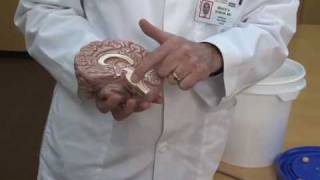
These brief videos provide an introductory appreciation of how we learn skills and information, move, think, feel, speak and remember. They are brought to you by the UCLA Brain Research Institute and by Bruce H. Dobkin, MD, who directs the neurorehabilitation program in the Department of Neurology at UCLA. The videos especially aim to reach out to students in grade school to stir their interest, and to people with disabilities in walking, using an affected upper extremity, and loss of memory from neurological diseases such as stroke, brain trauma, tumors, multiple sclerosis, cerebral palsy, Parkinsons, and Alzheimers disease.
 English
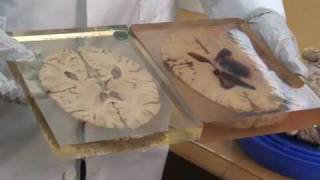
How the Brain Works These brief videos provide an introductory appreciation of how we learn skills and information, move, think, feel, speak and remember. They are brought to you by the UCLA Brain Research Institute and by Bruce H. Dobkin, MD, who directs the neurorehabilitation program in the Department of Neurology at UCLA. The videos especially aim to reach out to students in grade school to stir their interest, and to people with disabilities in walking, using an affected upper extremity, and loss of memory from neurological diseases such as stroke, brain trauma, tumors, multiple sclerosis, cerebral palsy, Parkinsons, and Alzheimers disease.