


- English
Past vs Present
In this lesson we will discuss renovation topic, learn new words. talk about the experience of creating renovation. After we will revise past and present tenses.
- Theory with exercises
- Intermediate
 English

Nothing found.
We couldn’t find any matching results. Try adjusting your keywords or browsing by category.
In this lesson we will discuss renovation topic, learn new words. talk about the experience of creating renovation. After we will revise past and present tenses.
English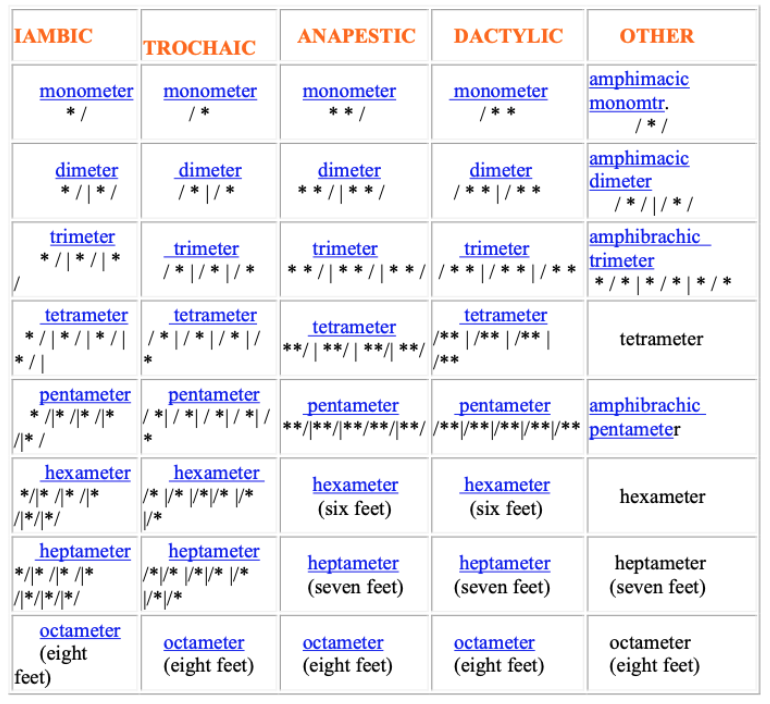
English poetry employs five basic rhythms of varying stressed (/) and unstressed (x) syllables. The meters are iambs, trochees, spondees, anapests and dactyls. In this document the stressed syllables are marked in boldface type rather than the tradition al "/" and "x." Each unit of rhythm is called a "foot" of poetry. The meters with two-syllable feet are - IAMBIC (x /) : That timeof yearthoumaystin mebehold - TROCHAIC (/ x): Tellmenotin mournful numbers - SPONDAIC (/ /): Break, break, break/ On thy coldgraystones, O Sea! - ANAPESTIC (x x/): And thesoundof a voicethat is still - DACTYLIC (/ x x): Thisis the forest primeval, the murmuring pinesand the hemlock (a trochee replaces the final dactyl)
English
Now that you understand the Russian letters and numbers, we will begin to learn some basic Russian phrases that you will commonly use as part of everyday communication. We will not attempt to introduce any grammar in this lesson. It is more important to learn some basic communication skills in Russian. Once you have a 'feel' for the language, you will find it easier to understand how the grammar works. When you were young, you learnt to speak before you learnt the grammar. We feel it is easier to learn Russian the same way, however don’t worry, we will cover grammar in later lessons. In this lesson you will learn the Russian language basics. When you are in Russia it is important to realise that Russians have two manners of speaking, formal or friendly. It would be considered slightly rude to use the wrong form in the wrong situation. Use the friendly (or familiar) form when you are speaking to someone you consider a friend. In situations where you have never met the person before you would use the formal form, for example in shops or with taxi drivers. You would also use the formal form as a sign of respect to teachers, or in places like business meetings. Keep this in mind as you work through these Russian lessons. This is much easier than it sounds, as there are only a couple of words that change. (Mainly the Russian word for “you”.)
Russian

Your student will learn to: discuss similarities in the morning routines of highly productive people; apply the vocabulary related to productive routine; use present tenses more confidently; create and discuss the lists to become more productive.
English

Colombia is nicknamed the "gateway to South America" because it sits in the northwestern part of the continent where South America connects with Central and North America.
English
GrammarGrammarGrammarGrammarGrammarGrammarGrammar
English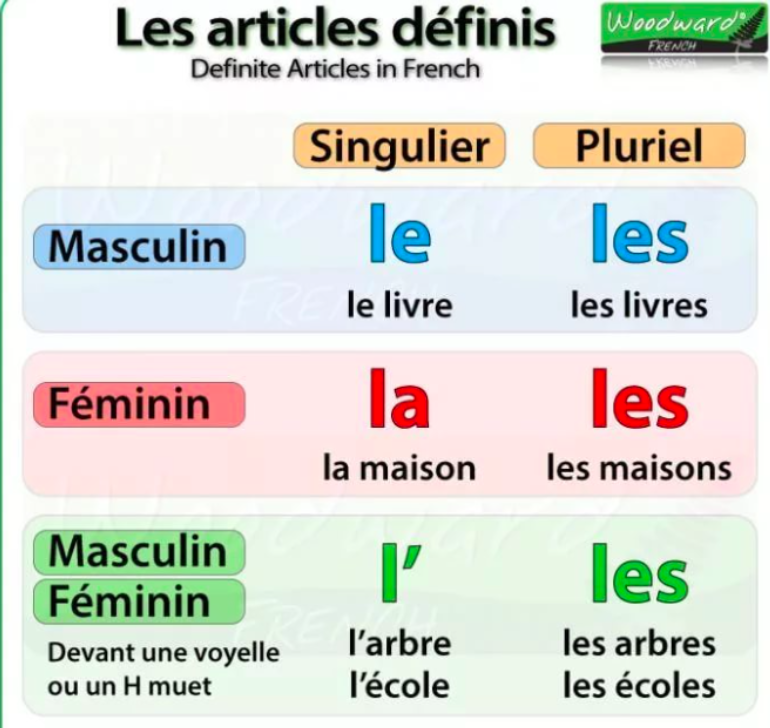
French lesson 1
English English
In this class we will discuss the theory of laziness, is it a beneficial thing or not. Also we will learn the constraction "get used to" and see how to differ it from "used to".
English
In this lesson we will discuss travelling, know more about Brazil and learn Present Simple tense
English