- Mathematics
- Exercise
- Intermediate
 English
 English
 English
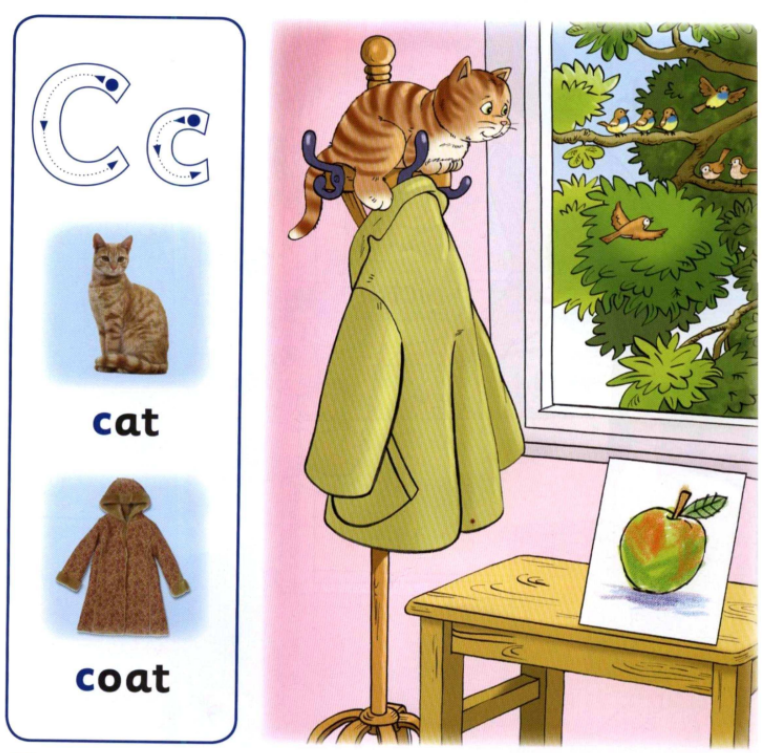
-stand up, sit down, clap, point, jump, put hand up/down -letters C and D -new words: cat, coat, dog, date
English

In this class we will practice presenting yourself and linking words.
English
CALCULUS! Today we take our first steps into the language of Physics; mathematics. Every branch of science has its own way to describe the things that it investigates. And, with Physics, that's math. In this episode, Shini talks us through derivatives and how calculus helps us to understand the world around us.
English
Create a lesson by adding multiple slides, each capable of holding a diverse range of content blocks, including text, video, images, and more. Choose the appropriate type and quantity of content for each slide as needed. Create a lesson by adding multiple slides, each capable of holding a diverse range of content blocks, including text, video, images, and more. Choose the appropriate type and quantity of content for each slide as needed.
English
 English
This is an introductory class where your teacher will check the level of English
English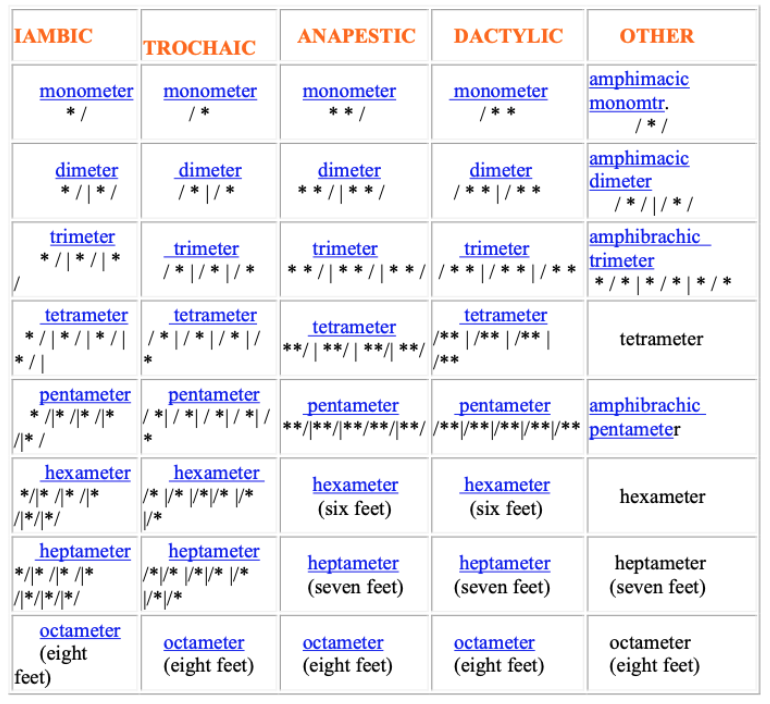
English poetry employs five basic rhythms of varying stressed (/) and unstressed (x) syllables. The meters are iambs, trochees, spondees, anapests and dactyls. In this document the stressed syllables are marked in boldface type rather than the tradition al "/" and "x." Each unit of rhythm is called a "foot" of poetry. The meters with two-syllable feet are - IAMBIC (x /) : That timeof yearthoumaystin mebehold - TROCHAIC (/ x): Tellmenotin mournful numbers - SPONDAIC (/ /): Break, break, break/ On thy coldgraystones, O Sea! - ANAPESTIC (x x/): And thesoundof a voicethat is still - DACTYLIC (/ x x): Thisis the forest primeval, the murmuring pinesand the hemlock (a trochee replaces the final dactyl)
English
Safari class in GLOW marathon of English
English