
- English
- Exercise
- Beginner
 English
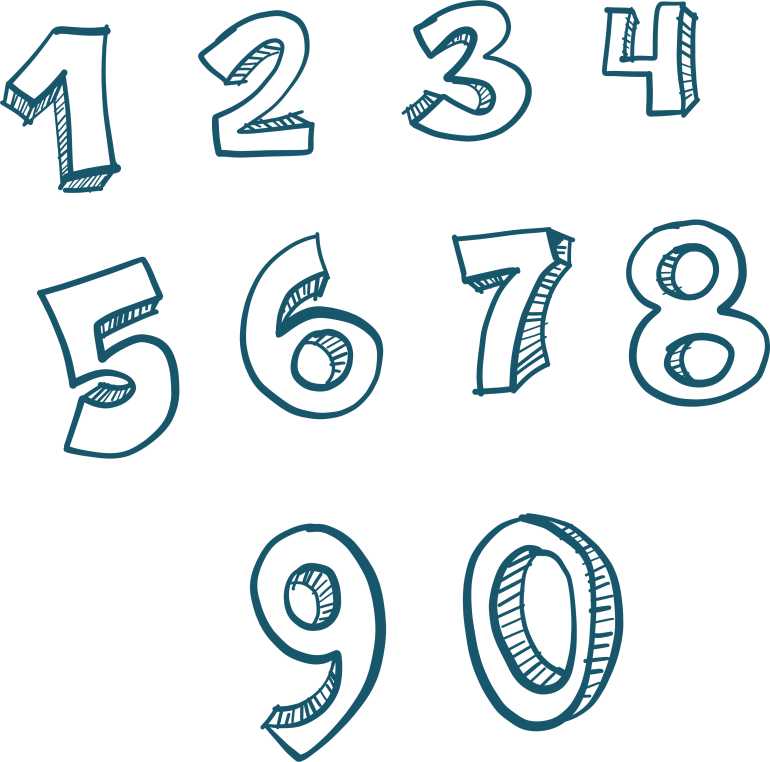
Match the pairs, learn numbers in English


 English
Match the pairs, learn numbers in English
 English
Glow marathon day about Harry Potter films

 English
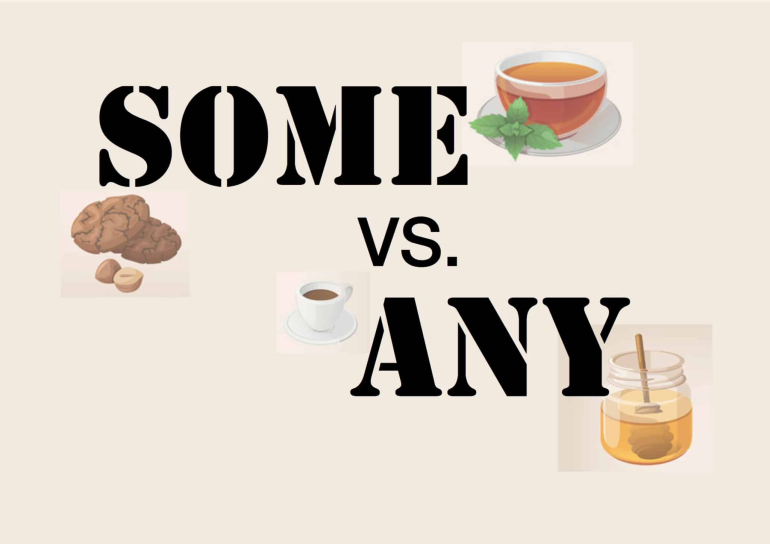
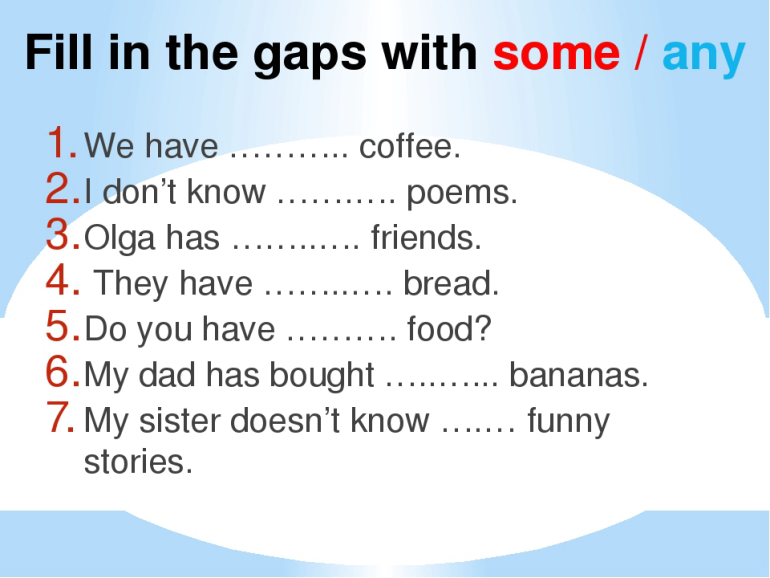
Some / Any / Review how to use 'some' and 'any' here. Online exercises for using confusing words correctly. Have a try!
 English
Get ready for your trip to Spain with this class- pluses, minuses, food and rules
 English
---
 English
 English
In this class we will discuss tourism and manners and revise present perfect

 English
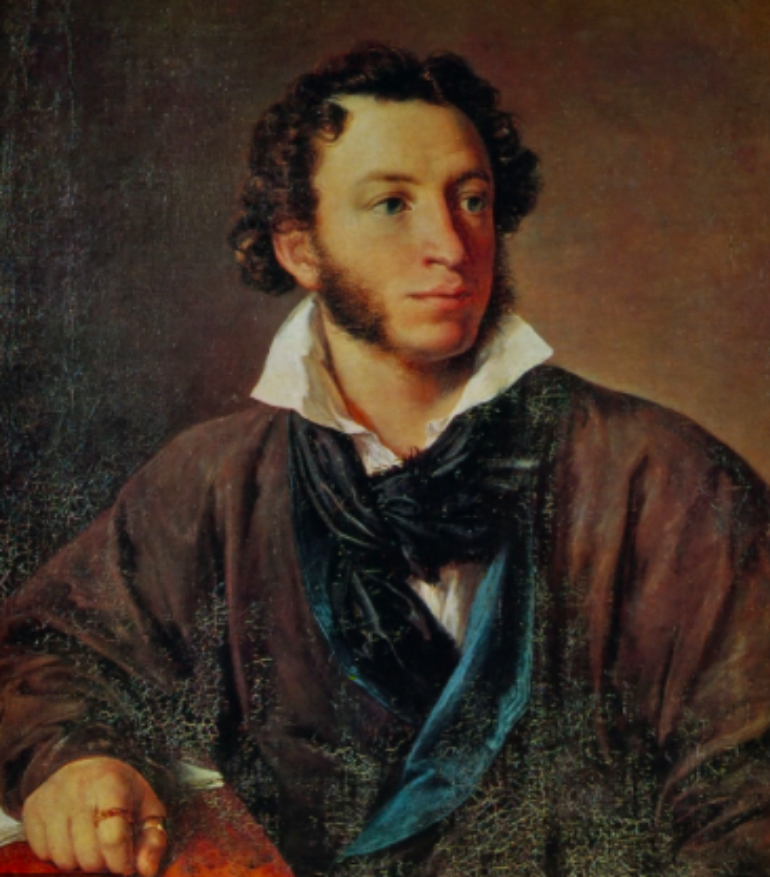
Alexander Sergeyevich Pushkin ( 6 June [O.S. 26 May] 1799 – 10 February [O.S. 29 January] 1837) was a Russian poet, playwright, and novelist of the Romantic era who is considered by many to be the greatest Russian poet and the founder of modern Russian literature.

 English
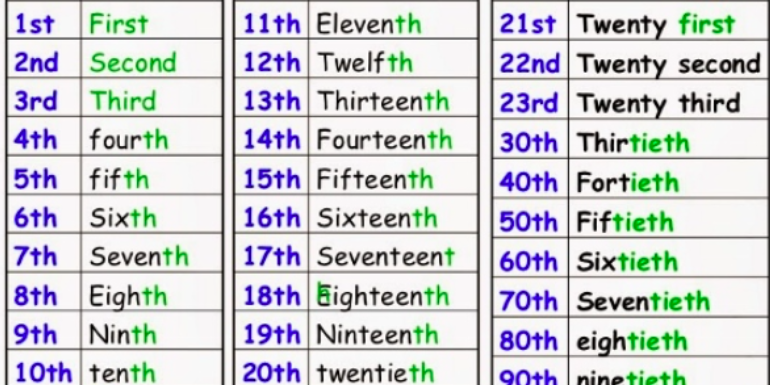
ordinal numerals and cardinal numbers

 English
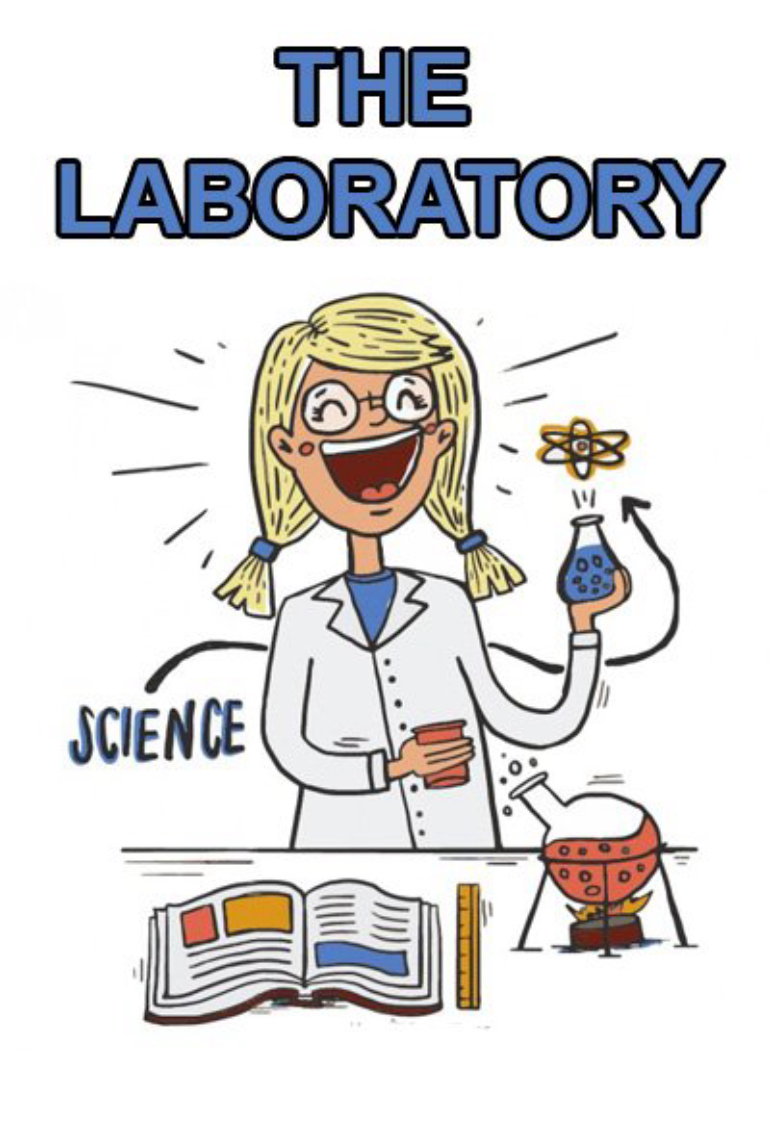
Чтение текста для уровня Elementary, в коце вопросы на проверку понимания текста

 English
Listening all parts of FCE test
 English
Полезный урок для тренировки разговорного английского и произношения. Сначало читаете с английскими субтитрами, а потом без помощи субтитров. Упражнение не на понимание текса, а именно тренировка речи.
 English
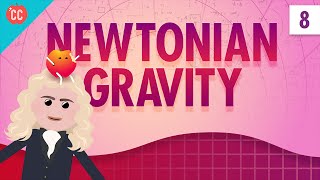
I'm sure you've all heard about Isaac Newton and that apple that fell on his head and how that was a huge deal to our understanding of gravity. Well... let's talk about that. In this episode of Crash Course Physics, Shini sits down to talk about the realities of the apple story and how Newtonian Gravity is more than a little important.
 English
This lesson covers some delightful greetings like hello, how are you?, I am fine, I am good etc.
 English
In this episode of Crash Course Physics, Shini is very excited to start talking about Fluids. You see, she's a Fluid Dynamicist and Mechanical Engineer, so fluids are really important to her. Actually they're really important to anyone studying physics. So, let's start down this path of understanding, not only how fluids work, but what they are!
 English
IN QUESTO PODCAST Uno degli aneddoti più ricorrenti durante le fasi di scavo per la costruzione di metropolitane o di parcheggi sotterranei è il ritrovo casuale di vasellame o strumenti di uso domestico appartenenti alle epoche storiche passate. Vengono così a galla vasi, gioielli, ceramiche dei nostri antenati. Materiale che troverà posto nei musei e che lascerà il posto alle macchine delle città nuove. Un modo originale di accostare passato e presente. Forse i due più famosi e recenti eventi archeologici sono: la scoperta dei Bronzi di Riace, a Riace appunto, in Calabria e il ritrovamento della Villa di Agrippina a Roma.
 English
Have you a dream? I mean, is there something that you would really like to do in your life – such as travelling round the world, or writing a best-selling novel, or climbing Mount Everest, or learning a new language. Good. It is important that we have dreams like these. But what would you do to achieve your dream. Would you, for example, walk out of your job so that you could do the thing you really want to do? Hmm. That might be difficult. How would you get the money you need to live on? And suppose you had a well-paid and very important job. Would you give that job up to pursue your dream? This morning's newspapers tell us about someone who has done just that. His name is Paul Drayson. He is 47 years old. He started his career as a businessman, and he was very successful. He made a fortune as boss of a company which makes equipment for giving people medical injections without sticking a needle into them. Then he became interested in politics. He gave a lot of money to the Labour Party. The government made him a member of the House of Lords, which is the upper chamber of the British parliament. (This means that he is now Lord Drayson, and not plain, ordinary Mr Drayson.) Then Lord Drayson became a minister in the government, at the Ministry of Defence. He was responsible for buying equipment for the British armed forces. Both the government’s supporters and his opponents said that he was good at his job. He obviously had a bright political career ahead of him. But Lord Drayson had a dream. It was a dream about driving motorcars very fast. He bought a 6-litre Aston Martin racing car. He drove it around race tracks. He competed in races; then he started to win some of the races, and this year he came third in the British GT championship. (The GT championships are for cars which are nearly the same as cars which you can drive on normal roads). People who know him say that, as a racing driver, Paul Drayson is both brave and intelligent.
 English
Create a lesson by adding multiple slides, each capable of holding a diverse range of content blocks, including text, video, images, and more. Choose the appropriate type and quantity of content for each slide as needed. Create a lesson by adding multiple slides, each capable of holding a diverse range of content blocks, including text, video, images, and more. Choose the appropriate type and quantity of content for each slide as needed.

 English
oday we learn about how to get rid of things. Kevin and Joanne have an old sofa. In fact, it used to be Kevin's sofa in the good old days when he was a student and before he had met Joanne. The sofa is dirty and stained, because Kevin has spilled beer on it, several times. The wooden frame is broken, because Kevin and about 10 friends sat on the sofa once to watch the World Cup final on television. The sofa is torn, because Kevin's cat used to sharpen his claws on it. Joanne has had enough. "That sofa has to go," she says. "We have to get rid of it." "That is my sofa", says Kevin. "We go back a long way. It is part of my history. We cannot get rid of it." "Yes, we can," says Joanne. "We will go to IKEA on Saturday to buy a new sofa." That was the wrong thing to say. Kevin does not want to get rid of his old sofa. And especially he does not want to go to IKEA on Saturday with hundreds of other people. He wants to go to a football match with hundreds of other people instead. Kevin and Joanne reach a compromise. They will get rid of the old sofa. They will buy a new sofa on the internet. There will be no trip to IKEA. And Kevin can go to the football match. "How shall we get rid of the sofa?" asks Kevin. "Perhaps we could sell it on eBay." "Don't be silly," says Joanne. "No-one will want to buy a dirty, broken sofa on eBay." "Perhaps we can just take it outside and leave it in the street," says Kevin. "Eventually the Council will take it away." "No they won't," says Joanne. "And we will probably be prosecuted for dumping rubbish in the street." "I could take the sofa into the garden and set fire to it," suggests Kevin. "Now you are being ridiculous," says Joanne. "George can borrow a van from his work, and you and George can put the sofa in the van and take it to the tip." The "tip" is the place where people can take things they do not want in order to get rid of them. There are big containers for different sorts of rubbish – for paper and cardboard
 English
Hello everyone. A few years ago, I moved from England to New Zealand to coach football to children in Auckland, the biggest city in New Zealand. I'd like to tell you about the differences between football in England and football in New Zealand. I grew up in London in England and spent many hours as a child playing football with my friends in the park. We used to play football after school and at the weekend, and often all day long in the school holidays. One of the first things I noticed when I moved to New Zealand was that very few children play football after school or at the weekends. Even on a sunny day in New Zealand, many of the parks will be completely empty! In cities in England, children will arrange to meet their friends for a game in the park, but in New Zealand the children only ever play football when it's organised for them by their parents or by their team coach. If you've ever played football, you will know that it takes many hours of practice to get skilful and make the ball do anything you want it to. Sometimes it can take lots and lots of mistakes before a child gets it right! In New Zealand, children don't spend a lot of time playing football on their own so they don't try new things and make mistakes. Instead they spend an hour or two a week being told what to do by a parent or a coach. This means they don't get to make their own mistakes and learn things for themselves. Imagine learning English and never being allowed to make a mistake? It would be very difficult, and not much fun either!
English English
 English
 English
 English
 English
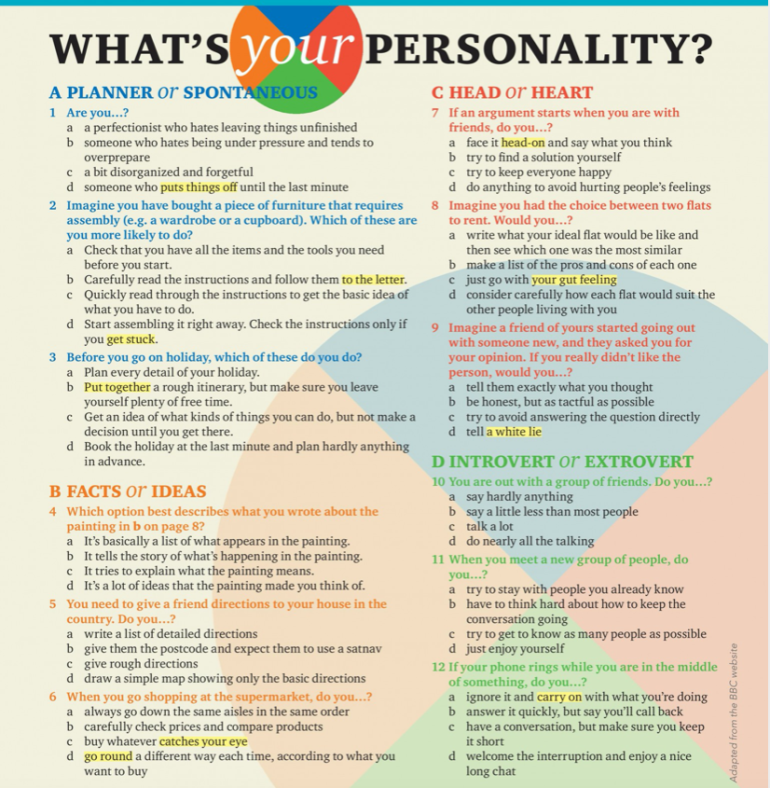
This is from the Advanced English file textbook with vocab about personality.
 English
FCE grammar + listening+ reported speech + passive voice
 English
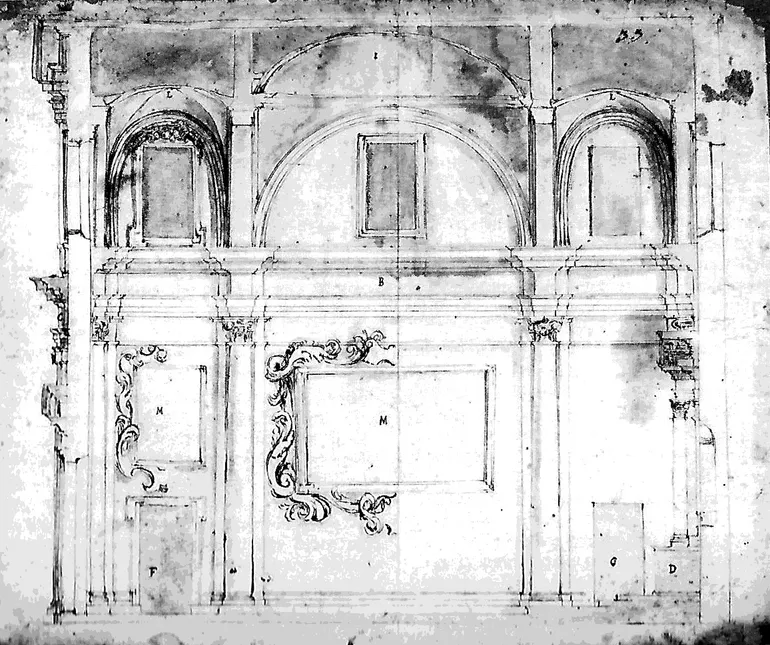
Siena in the past and nowadays

 English
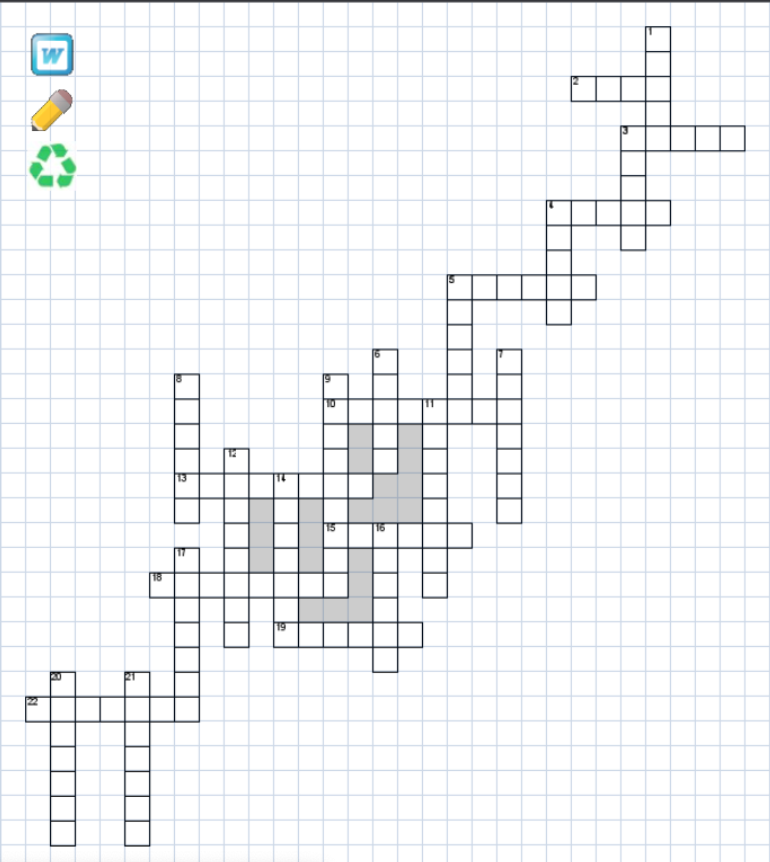
A1 English Listening Practice - Daily Routine, Present Simple
 English
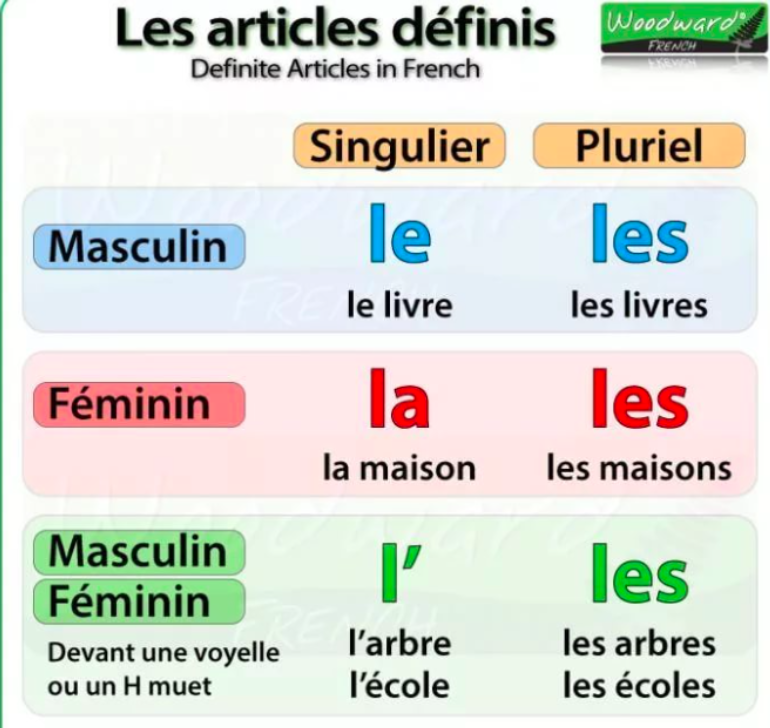
French lesson 1
 English
I\You\We\They + play He\She\It + plays
 English
Learn how to tell the colors in Italian
 English
Наряду с программной системой тестирование также обеспечивает проверку пакетной обработки и обработки данных из других вышестоящих и нижестоящих систем. Отсюда и название «End-to-End».

 English
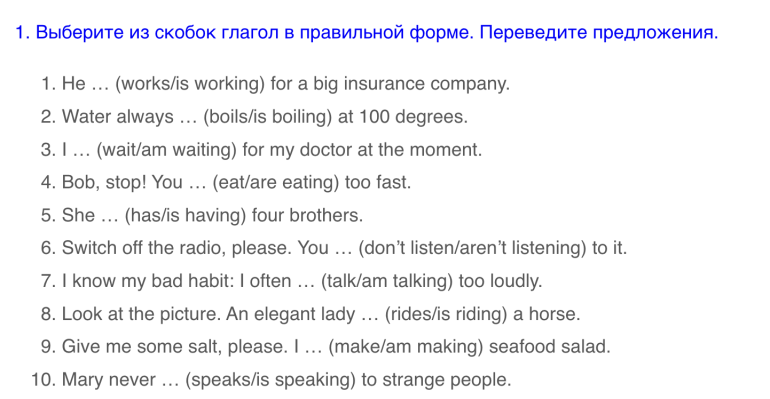
СРАВНЕНИЕ ВРЕМЕН PRESENT SIMPLE - PRESENT CONTINUOUS
 English
Bestimmter Artikel
EnglishListening all parts of FCE test
EnglishПолезный урок для тренировки разговорного английского и произношения. Сначало читаете с английскими субтитрами, а потом без помощи субтитров. Упражнение не на понимание текса, а именно тренировка речи.
EnglishI'm sure you've all heard about Isaac Newton and that apple that fell on his head and how that was a huge deal to our understanding of gravity. Well... let's talk about that. In this episode of Crash Course Physics, Shini sits down to talk about the realities of the apple story and how Newtonian Gravity is more than a little important.
EnglishThis lesson covers some delightful greetings like hello, how are you?, I am fine, I am good etc.
EnglishIn this episode of Crash Course Physics, Shini is very excited to start talking about Fluids. You see, she's a Fluid Dynamicist and Mechanical Engineer, so fluids are really important to her. Actually they're really important to anyone studying physics. So, let's start down this path of understanding, not only how fluids work, but what they are!
EnglishIN QUESTO PODCAST Uno degli aneddoti più ricorrenti durante le fasi di scavo per la costruzione di metropolitane o di parcheggi sotterranei è il ritrovo casuale di vasellame o strumenti di uso domestico appartenenti alle epoche storiche passate. Vengono così a galla vasi, gioielli, ceramiche dei nostri antenati. Materiale che troverà posto nei musei e che lascerà il posto alle macchine delle città nuove. Un modo originale di accostare passato e presente. Forse i due più famosi e recenti eventi archeologici sono: la scoperta dei Bronzi di Riace, a Riace appunto, in Calabria e il ritrovamento della Villa di Agrippina a Roma.
EnglishHave you a dream? I mean, is there something that you would really like to do in your life – such as travelling round the world, or writing a best-selling novel, or climbing Mount Everest, or learning a new language. Good. It is important that we have dreams like these. But what would you do to achieve your dream. Would you, for example, walk out of your job so that you could do the thing you really want to do? Hmm. That might be difficult. How would you get the money you need to live on? And suppose you had a well-paid and very important job. Would you give that job up to pursue your dream? This morning's newspapers tell us about someone who has done just that. His name is Paul Drayson. He is 47 years old. He started his career as a businessman, and he was very successful. He made a fortune as boss of a company which makes equipment for giving people medical injections without sticking a needle into them. Then he became interested in politics. He gave a lot of money to the Labour Party. The government made him a member of the House of Lords, which is the upper chamber of the British parliament. (This means that he is now Lord Drayson, and not plain, ordinary Mr Drayson.) Then Lord Drayson became a minister in the government, at the Ministry of Defence. He was responsible for buying equipment for the British armed forces. Both the government’s supporters and his opponents said that he was good at his job. He obviously had a bright political career ahead of him. But Lord Drayson had a dream. It was a dream about driving motorcars very fast. He bought a 6-litre Aston Martin racing car. He drove it around race tracks. He competed in races; then he started to win some of the races, and this year he came third in the British GT championship. (The GT championships are for cars which are nearly the same as cars which you can drive on normal roads). People who know him say that, as a racing driver, Paul Drayson is both brave and intelligent.
EnglishCreate a lesson by adding multiple slides, each capable of holding a diverse range of content blocks, including text, video, images, and more. Choose the appropriate type and quantity of content for each slide as needed. Create a lesson by adding multiple slides, each capable of holding a diverse range of content blocks, including text, video, images, and more. Choose the appropriate type and quantity of content for each slide as needed.
Englishoday we learn about how to get rid of things. Kevin and Joanne have an old sofa. In fact, it used to be Kevin's sofa in the good old days when he was a student and before he had met Joanne. The sofa is dirty and stained, because Kevin has spilled beer on it, several times. The wooden frame is broken, because Kevin and about 10 friends sat on the sofa once to watch the World Cup final on television. The sofa is torn, because Kevin's cat used to sharpen his claws on it. Joanne has had enough. "That sofa has to go," she says. "We have to get rid of it." "That is my sofa", says Kevin. "We go back a long way. It is part of my history. We cannot get rid of it." "Yes, we can," says Joanne. "We will go to IKEA on Saturday to buy a new sofa." That was the wrong thing to say. Kevin does not want to get rid of his old sofa. And especially he does not want to go to IKEA on Saturday with hundreds of other people. He wants to go to a football match with hundreds of other people instead. Kevin and Joanne reach a compromise. They will get rid of the old sofa. They will buy a new sofa on the internet. There will be no trip to IKEA. And Kevin can go to the football match. "How shall we get rid of the sofa?" asks Kevin. "Perhaps we could sell it on eBay." "Don't be silly," says Joanne. "No-one will want to buy a dirty, broken sofa on eBay." "Perhaps we can just take it outside and leave it in the street," says Kevin. "Eventually the Council will take it away." "No they won't," says Joanne. "And we will probably be prosecuted for dumping rubbish in the street." "I could take the sofa into the garden and set fire to it," suggests Kevin. "Now you are being ridiculous," says Joanne. "George can borrow a van from his work, and you and George can put the sofa in the van and take it to the tip." The "tip" is the place where people can take things they do not want in order to get rid of them. There are big containers for different sorts of rubbish – for paper and cardboard
EnglishHello everyone. A few years ago, I moved from England to New Zealand to coach football to children in Auckland, the biggest city in New Zealand. I'd like to tell you about the differences between football in England and football in New Zealand. I grew up in London in England and spent many hours as a child playing football with my friends in the park. We used to play football after school and at the weekend, and often all day long in the school holidays. One of the first things I noticed when I moved to New Zealand was that very few children play football after school or at the weekends. Even on a sunny day in New Zealand, many of the parks will be completely empty! In cities in England, children will arrange to meet their friends for a game in the park, but in New Zealand the children only ever play football when it's organised for them by their parents or by their team coach. If you've ever played football, you will know that it takes many hours of practice to get skilful and make the ball do anything you want it to. Sometimes it can take lots and lots of mistakes before a child gets it right! In New Zealand, children don't spend a lot of time playing football on their own so they don't try new things and make mistakes. Instead they spend an hour or two a week being told what to do by a parent or a coach. This means they don't get to make their own mistakes and learn things for themselves. Imagine learning English and never being allowed to make a mistake? It would be very difficult, and not much fun either!
 English
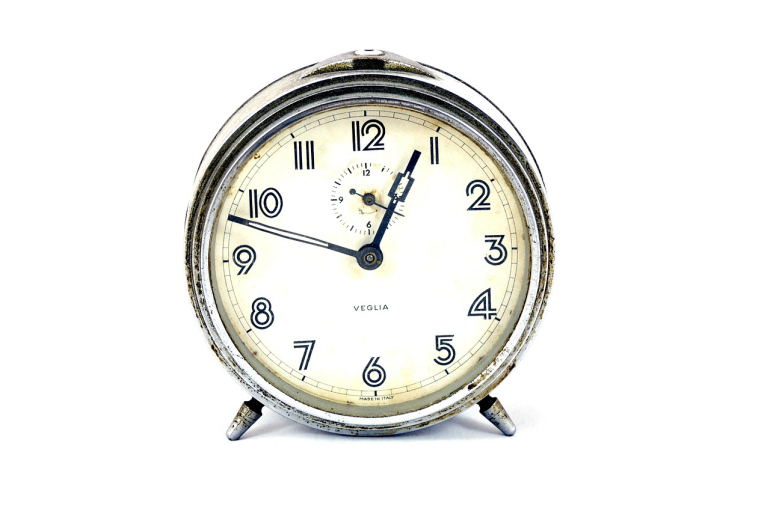
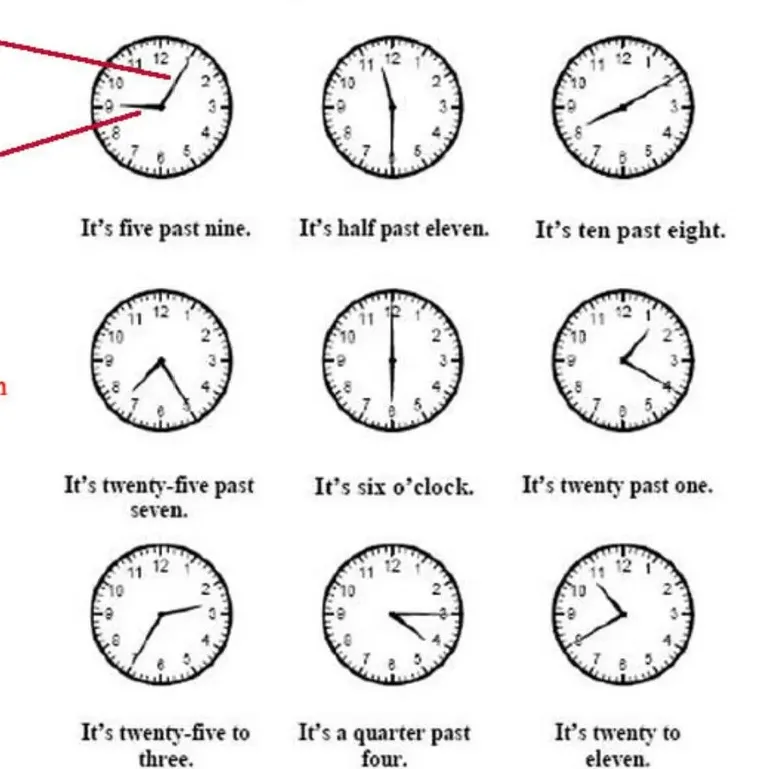
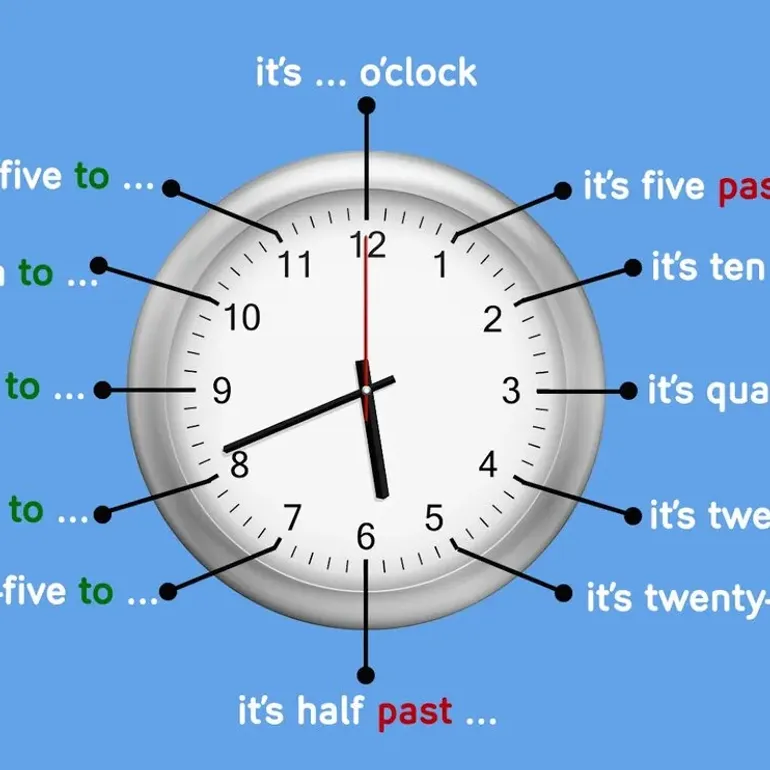
This lesson helps learners understand how to ask for and tell the time in English. Students will learn key expressions such as o’clock, half past, quarter past/to, and how to use a.m. and p.m. They will also practice common questions and answers: “What time is it? – It’s …” and “When does it start? – At …”. The lesson includes: Vocabulary and numbers 1–59 Different ways of telling the time (analog & digital clocks) Using past / to for minutes Expressions with in the morning/afternoon/evening, at night Daily routine activities with time references Activities involve dialogues, matching clocks with the correct time, and role plays to practice schedules and appointments. By the end of the lesson, learners will be able to confidently tell and ask the time in English.
 English
This lesson helps learners understand how to ask for and tell the time in English. Students will learn key expressions such as o’clock, half past, quarter past/to, and how to use a.m. and p.m. They will also practice common questions and answers: “What time is it? – It’s …” and “When does it start? – At …”.
 English
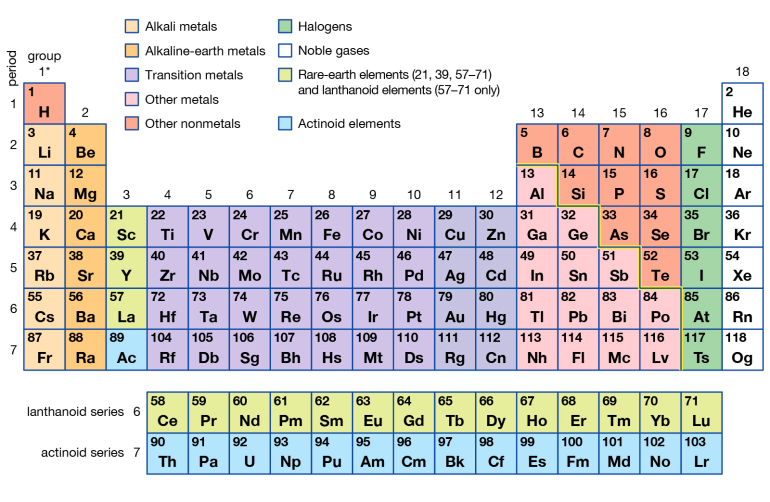
Periodic table, in full periodic table of the elements, in chemistry, the organized array of all the chemical elements in order of increasing atomic number—i.e., the total number of protons in the atomic nucleus. When the chemical elements are thus arranged, there is a recurring pattern called the “periodic law” in their properties, in which elements in the same column (group) have similar properties. The initial discovery, which was made by Dmitry I. Mendeleyev in the mid-19th century, has been of inestimable value in the development of chemistry.
 English
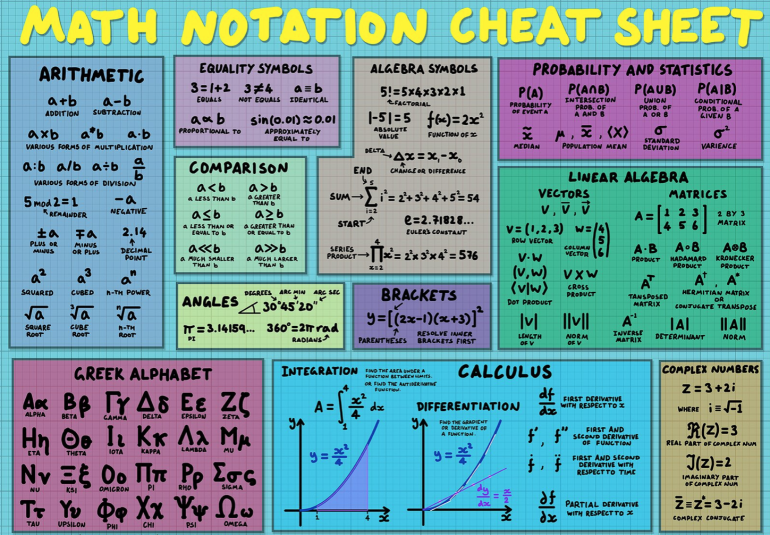
This is a cheat sheet with a lot of the basic mathematical notation you will come across in popular science.
 English
xcxxxxxxxxxxxxxxxxxxxxxxxxxxxxxxxxxxxxxxxxxxxxxxxxxxxxxxxxxxxxxxxxxxxxxxxxxxxxxxxxxxxxxxxxx
 English
Fill the gaps with some or any
 English
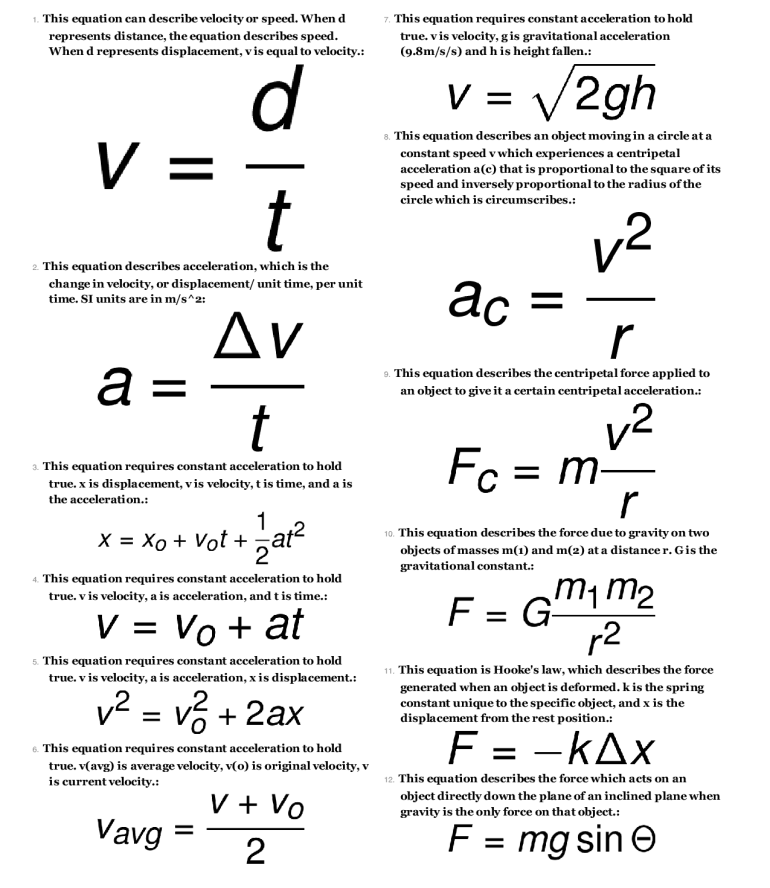
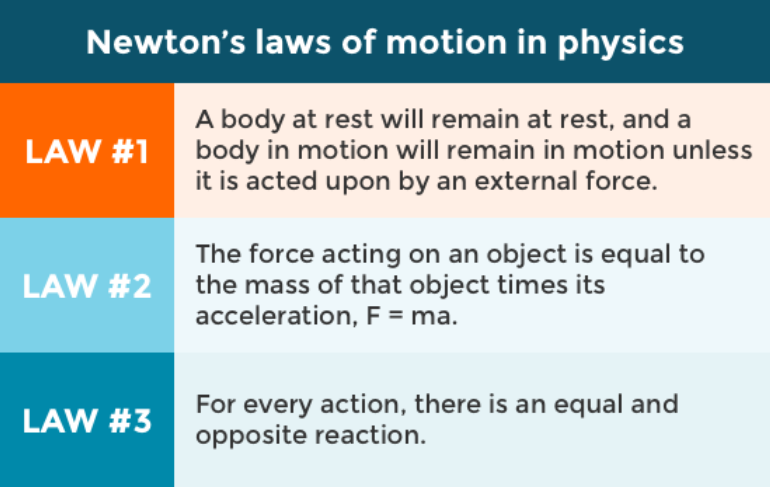
Prepare the MCAT Physics exam. This books help you aquire all the basics of this subject
 English
 English
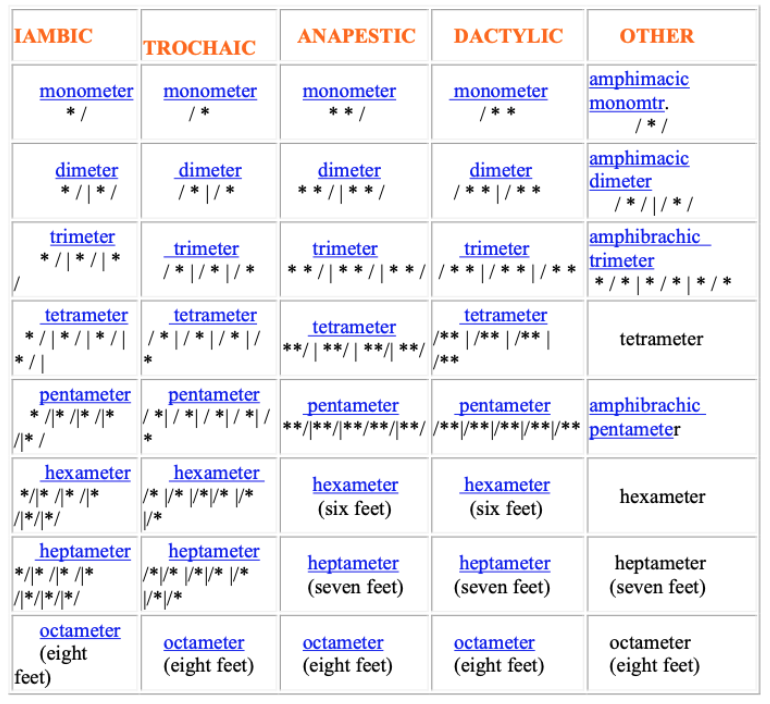
English poetry employs five basic rhythms of varying stressed (/) and unstressed (x) syllables. The meters are iambs, trochees, spondees, anapests and dactyls. In this document the stressed syllables are marked in boldface type rather than the tradition al "/" and "x." Each unit of rhythm is called a "foot" of poetry. The meters with two-syllable feet are - IAMBIC (x /) : That timeof yearthoumaystin mebehold - TROCHAIC (/ x): Tellmenotin mournful numbers - SPONDAIC (/ /): Break, break, break/ On thy coldgraystones, O Sea! - ANAPESTIC (x x/): And thesoundof a voicethat is still - DACTYLIC (/ x x): Thisis the forest primeval, the murmuring pinesand the hemlock (a trochee replaces the final dactyl)
EnglishMatch the pairs, learn numbers in English
EnglishGlow marathon day about Harry Potter films
EnglishSome / Any / Review how to use 'some' and 'any' here. Online exercises for using confusing words correctly. Have a try!
EnglishGet ready for your trip to Spain with this class- pluses, minuses, food and rules
English---
EnglishMatch the pairs, learn numbers in English
EnglishGlow marathon day about Harry Potter films
EnglishSome / Any / Review how to use 'some' and 'any' here. Online exercises for using confusing words correctly. Have a try!
EnglishGet ready for your trip to Spain with this class- pluses, minuses, food and rules
English---
EnglishEnglishIn this class we will discuss tourism and manners and revise present perfect
EnglishAlexander Sergeyevich Pushkin ( 6 June [O.S. 26 May] 1799 – 10 February [O.S. 29 January] 1837) was a Russian poet, playwright, and novelist of the Romantic era who is considered by many to be the greatest Russian poet and the founder of modern Russian literature.
Englishordinal numerals and cardinal numbers
EnglishЧтение текста для уровня Elementary, в коце вопросы на проверку понимания текста