


- Spanish
La tienda de ropa
Did you understand the text? Please answer the following questions of understanding after the text.
- Reading lessons
- Elementary
 English

 English



Andrei Scherbak

 Germania
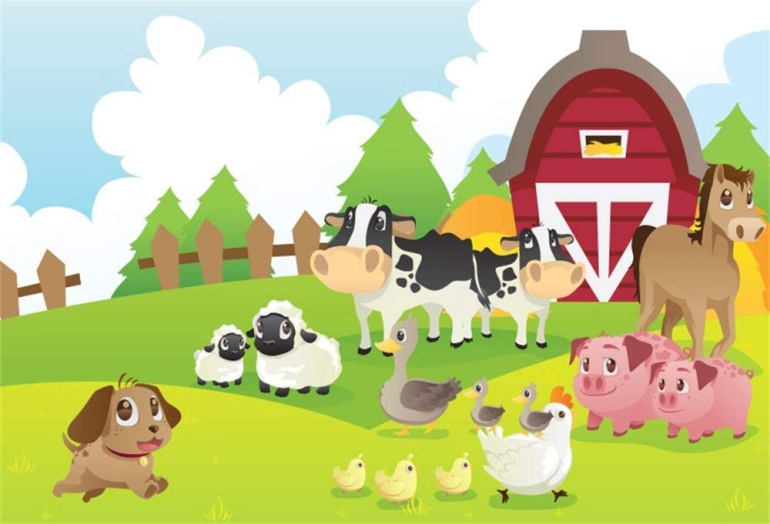
In this video we are going to learn the farm animals in spanish. Spanish vocabulary for children. vaca (cow), perro (dog), gato (cat), oveja (sheep), gallo (cock), cerdo (pig), caballo (horse), pato (duck), burro (donkey), gallina (chicken)
Did you understand the text? Please answer the following questions of understanding after the text.
English English
Did you understand the text? Please answer the following questions of understanding after the text
English
“In school, most people learn Spanish by memorizing and being focused on grammar, but when they have to speak, nothing comes out. That’s my situation, but as I am learning with Oscar’s lessons, I am enjoying the process, and actually, I understand real spoken Spanish more and more, and now little words of Spanish are popping up into my head. This method is much powerful, much faster and it’s the way to learn Spanish when you really want to speak it.”
English
- como se forma el gerudio - irregulares - gerundio con el verbo "estar" - gerundio con los verbos "seguir/llevar"
Spanish
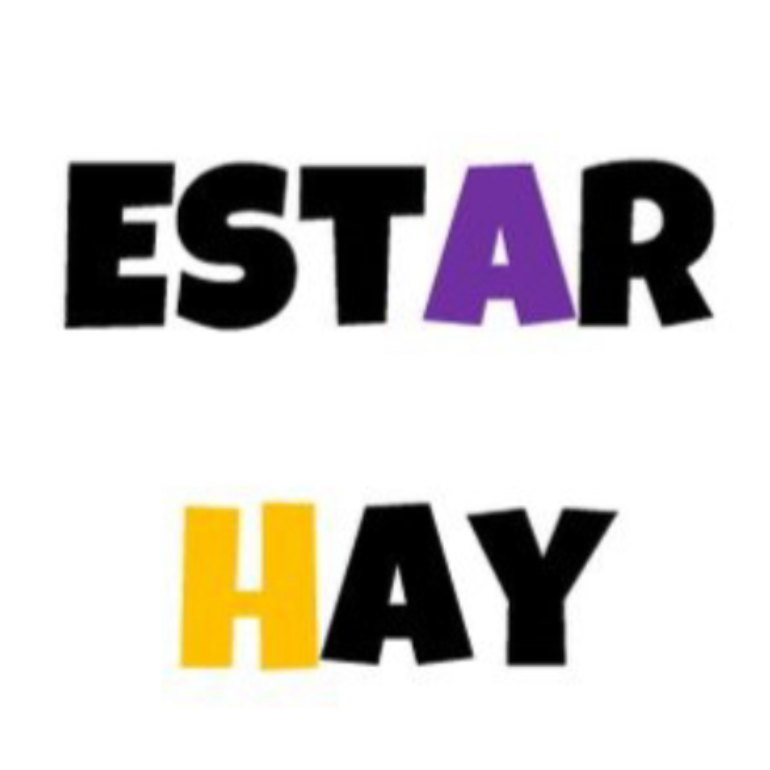
- casos del uso del verbo haber - casos del uso del verbo estar - hay y estar en el presente de indicativo - hay y estar en los tiempos pasados (pretérito perfecto; pretérito indefenido; pretérito imperfecto)
Spanish
In the previous two lessons you learned the fundamental difference between ser and estar – essence or condition (“what” something is v. “how” something is), as well as some common uses for the verb ser. This lesson examines the other Spanish verb for “to be”: estar.
English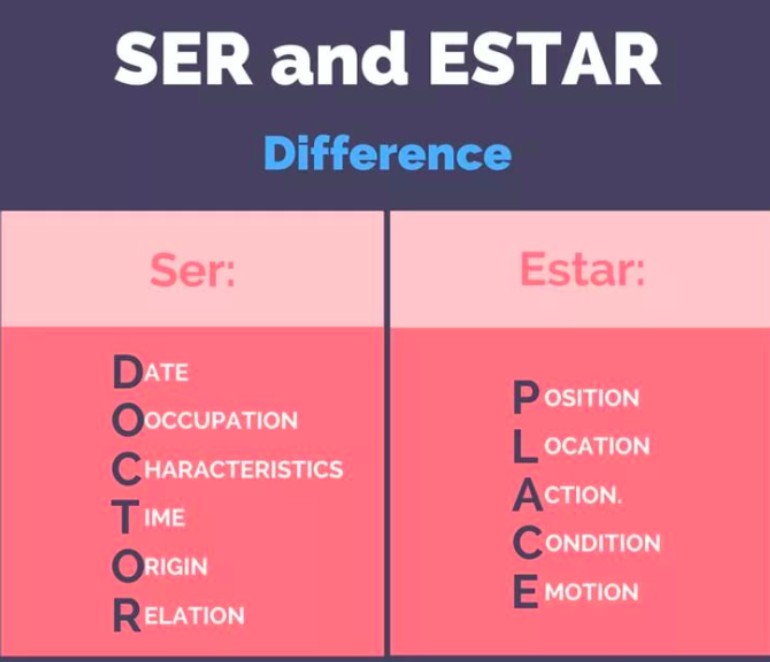
Whole books have been written about the two important Spanish verbs: ser and estar. This will be the subject of our discussion for the next few lessons. Soon, you will have a very good understanding of how these two verbs are used.
English
Vivo en un pueblo muy pequeño cercano a la montaña, donde hay un lago precioso en donde es habitual ver patos y cisnes nadando.
EnglishHi! 👋 I'm Andrey Shcherbakov, an economics teacher who enjoys making complex ideas simple and practical. For me, economics isn't just a school subject—it's a way to understand how the world works. 🌍 From personal finance 💰 and entrepreneurship 🚀 to inflation 📈, investments 📊, and global markets, economics helps explain the decisions we make every day. My teaching style is interactive, structured, and focused on real understanding rather than memorization. I explain difficult concepts step by step, using current events, business examples, visual materials, and real economic situations that make learning both interesting and useful. I work with students preparing for exams 🎓, university courses, Olympiads 🏆, or anyone who wants to improve their financial literacy and analytical thinking. Every lesson is personalized to match your goals, learning pace, and experience. I believe that confidence comes from understanding. 💡 That's why my lessons encourage questions, discussions, and practical problem-solving instead of simply learning definitions. If you're looking for clear explanations, engaging lessons, and real progress 📚, I'd be happy to help you discover that economics can be both fascinating and useful. I look forward to meeting you! 😊

Verified Tutor
Identity & qualifications verified

3-Day Refund Policy
Full refund if not satisfied

Usually responds in 2 hours
Quick replies to your messages

Secure Payments
Your payments are safe with us

Highly Rated Tutor
4.7 average rating from 62 reviews
