

- Spanish
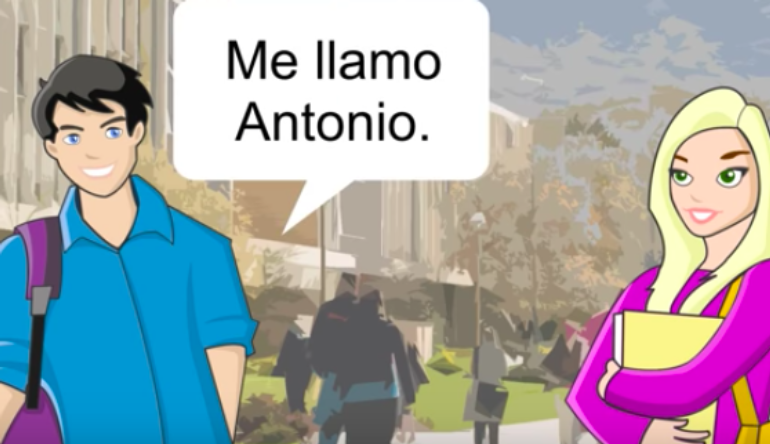
Диалоги - Знакомство.
Базовая лексика необходимая при знакомстве.
- Video lessons
- Elementary
 Russian

 Russian


Eugeniia Klimutina

 Russia
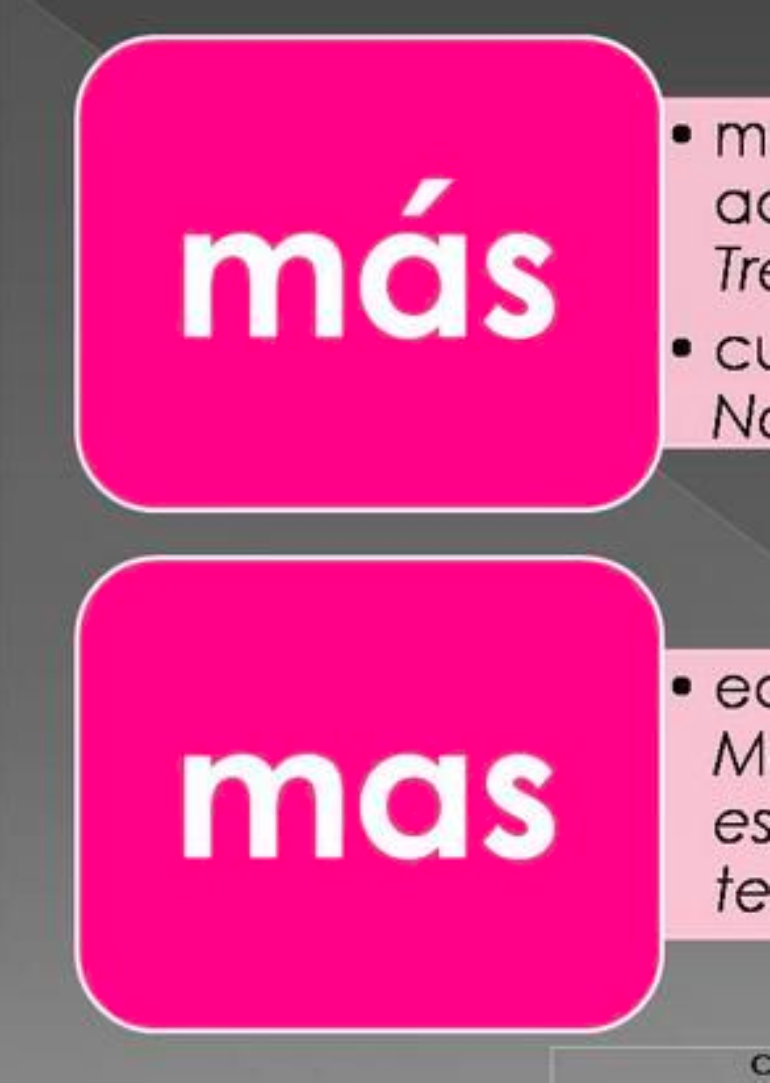
Знаете ли вы, чем отличается союз «mas» от наречия «más»? Употребляются ли эти слова в разговорной речи? Можно ли в одном и том же контексте употреблять оба слова?
В этом уроке вы найдете ответы на эти и многие другие вопросы, а также с легкостью закрепите полученные знания.
Базовая лексика необходимая при знакомстве.
Russian
Did you understand the text? Please answer the following questions of understanding after the text.
English
В этом видео мы учим цвета на испанском языке. Чтобы вы смогли выучить цвета на испанском, вам необходимо просмотреть этот ролик несколько раз и повторять за автором. Отрабатывайте произношение на испанском и старайтесь запомнить каждое слово.
Russian
Hai capito il testo? Esercizio di comprensione del testo:
Italian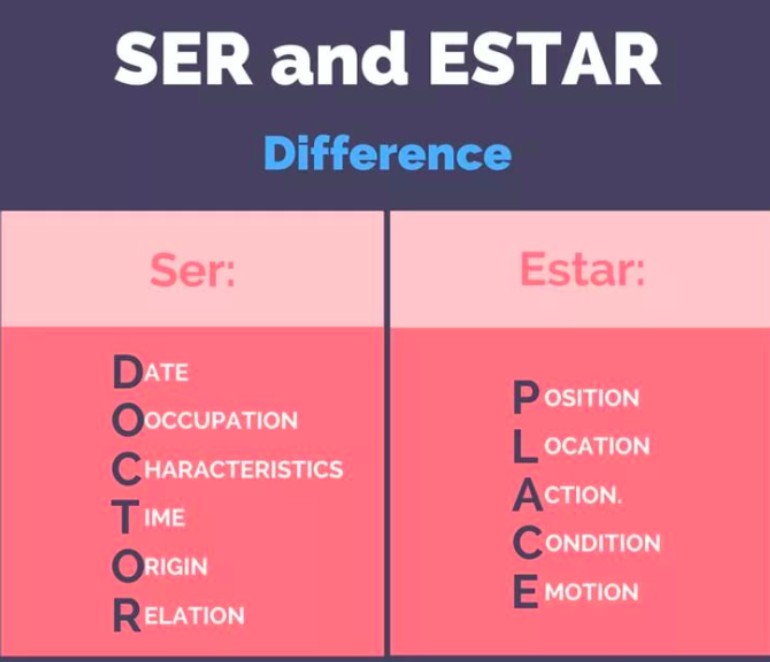
Whole books have been written about the two important Spanish verbs: ser and estar. This will be the subject of our discussion for the next few lessons. Soon, you will have a very good understanding of how these two verbs are used.
English
Hay una canción de los Beatles que se titula Christmas time is here again. ¡Es decir, la Navidad está aquí otra vez! La Navidad en España se vive con intensidad. Si eres estudiante de español, es importante que entiendas los conceptos básicos.
English
Hay una canción de los Beatles que se titula Christmas time is here again. ¡Es decir, la Navidad está aquí otra vez! La Navidad en España se vive con intensidad. Si eres estudiante de español, es importante que entiendas los conceptos básicos.
English
Did you understand the text? Please answer the following questions of understanding after the text
English
Vivo en un pueblo muy pequeño cercano a la montaña, donde hay un lago precioso en donde es habitual ver patos y cisnes nadando.
English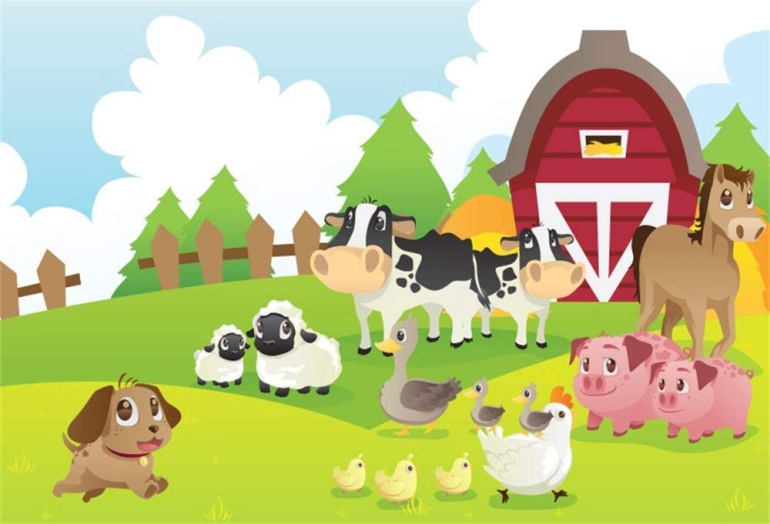
In this video we are going to learn the farm animals in spanish. Spanish vocabulary for children. vaca (cow), perro (dog), gato (cat), oveja (sheep), gallo (cock), cerdo (pig), caballo (horse), pato (duck), burro (donkey), gallina (chicken)
English
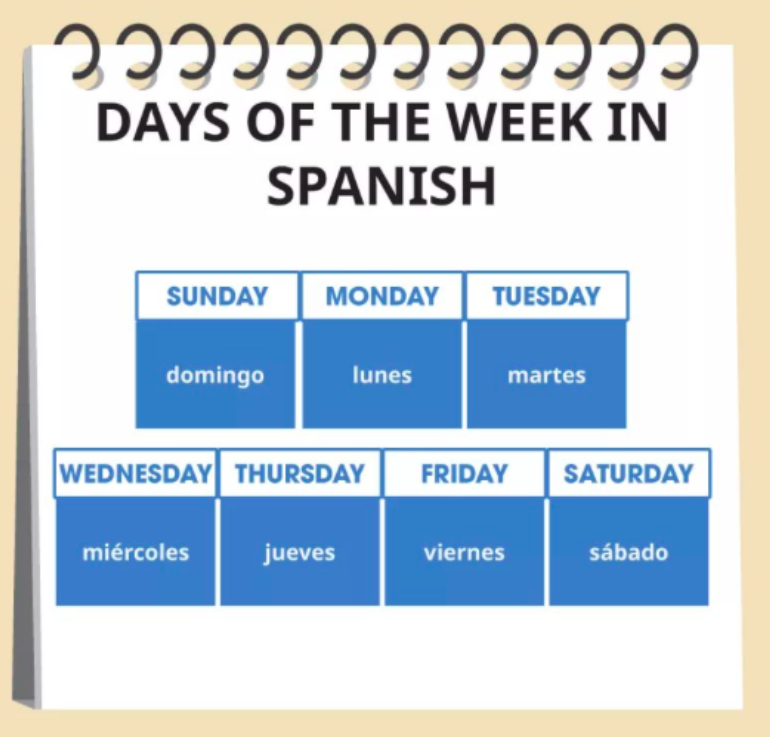 English
Did you understand the text? Please answer the following questions of understanding after the text.
EnglishDid you understand the text? Please answer the following questions of understanding after the text
English
“In school, most people learn Spanish by memorizing and being focused on grammar, but when they have to speak, nothing comes out. That’s my situation, but as I am learning with Oscar’s lessons, I am enjoying the process, and actually, I understand real spoken Spanish more and more, and now little words of Spanish are popping up into my head. This method is much powerful, much faster and it’s the way to learn Spanish when you really want to speak it.”
English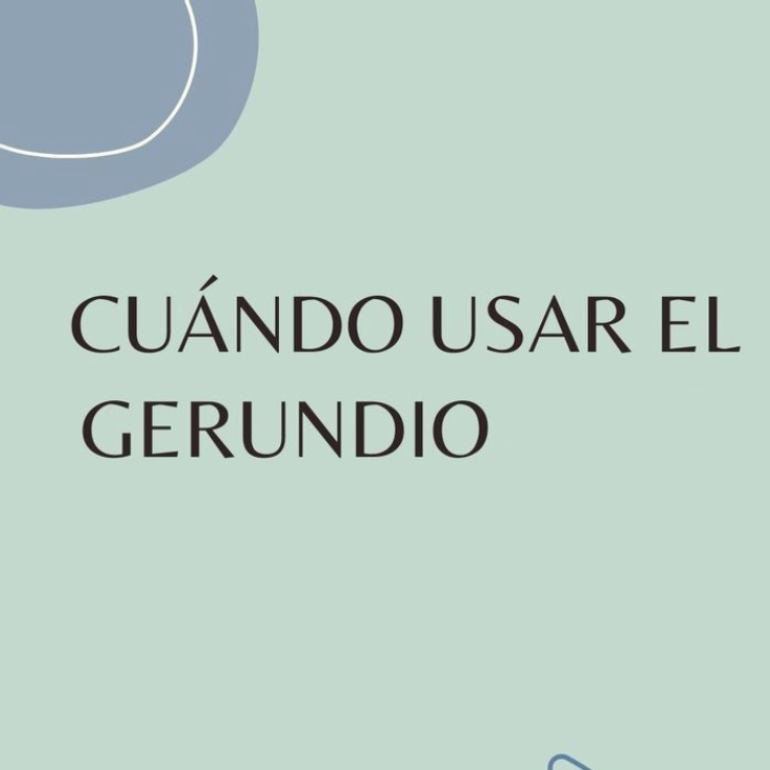
- como se forma el gerudio - irregulares - gerundio con el verbo "estar" - gerundio con los verbos "seguir/llevar"
Spanish
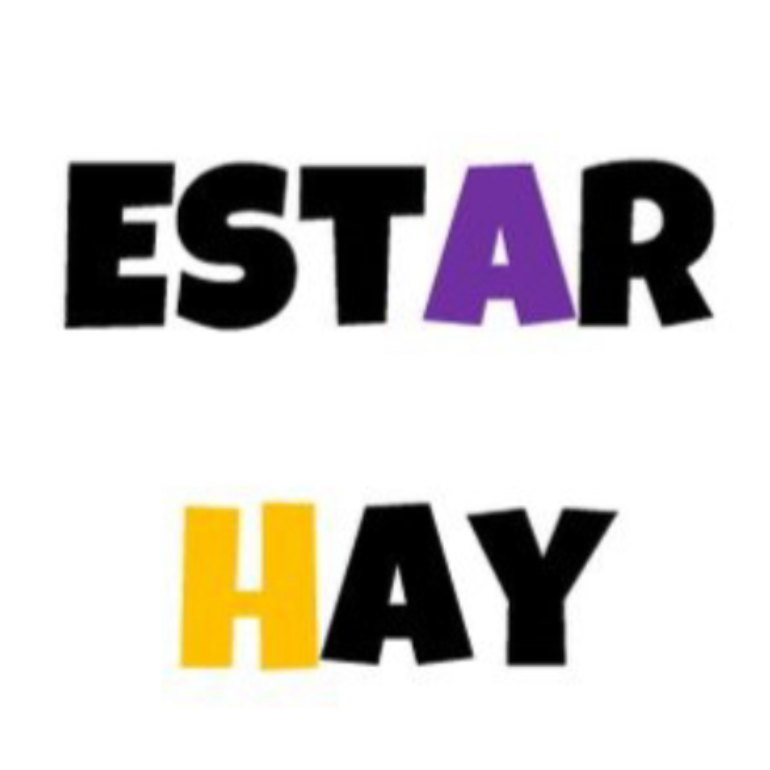
- casos del uso del verbo haber - casos del uso del verbo estar - hay y estar en el presente de indicativo - hay y estar en los tiempos pasados (pretérito perfecto; pretérito indefenido; pretérito imperfecto)
Spanish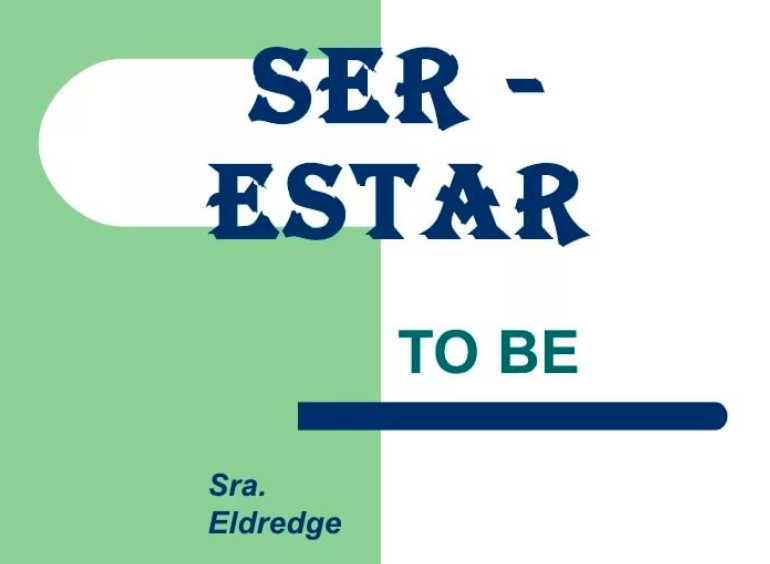
In the previous two lessons you learned the fundamental difference between ser and estar – essence or condition (“what” something is v. “how” something is), as well as some common uses for the verb ser. This lesson examines the other Spanish verb for “to be”: estar.
EnglishWhole books have been written about the two important Spanish verbs: ser and estar. This will be the subject of our discussion for the next few lessons. Soon, you will have a very good understanding of how these two verbs are used.
English
-futuro simple -futuro perfecto
EnglishHi there, I'm a Harvard graduate and CELTA certified English teacher from the US. I teach all ages, and have served as a Cambridge, TOEFL, and IEввцLTS examiner. In class, I like to use a personalized, dynamic, and down-to-earth approach to help students reach their goals.gg Besides teaching English, I provide consulting services to improve clients' professional documentation (CV, Cover Letter, inter alia), hone their communication skills, and provide guidance. Over the years, I've developed a strong track record of helping clients get in to Ivy League Universities, Fortune 500 companies, and international organizations. During my studies, I majored in Sustainability Leadership at Harvard University, Economics at the Johns Hopkins School of Advanced International Studies, and Finance at the College of William and Mary. My professional experience consists of stints at the World Bank, United Nations, IMF, US Treasury, Wall Street, and Microsoft in different capacities and sectors. On a more personal note, my interests include languages, traveling, and farming. I'm fluent in Portuguese as well as Spanish, and am currently learning Italian. I travel often and recently finished a 5 year trip in Latin America where I partnered with indigenous communities, farmers, and chefs to cultivate food sustainably. If you think I might be able to help you, please feel free to book a trial lesson so we can talk about the possibility of coming together as a team to reach your objectives. Kind regards, Artem

Verified Tutor
Identity & qualifications verified

3-Day Refund Policy
Full refund if not satisfied

Usually responds in 2 hours
Quick replies to your messages

Secure Payments
Your payments are safe with us

Highly Rated Tutor
4.9 average rating from 45 reviews
