

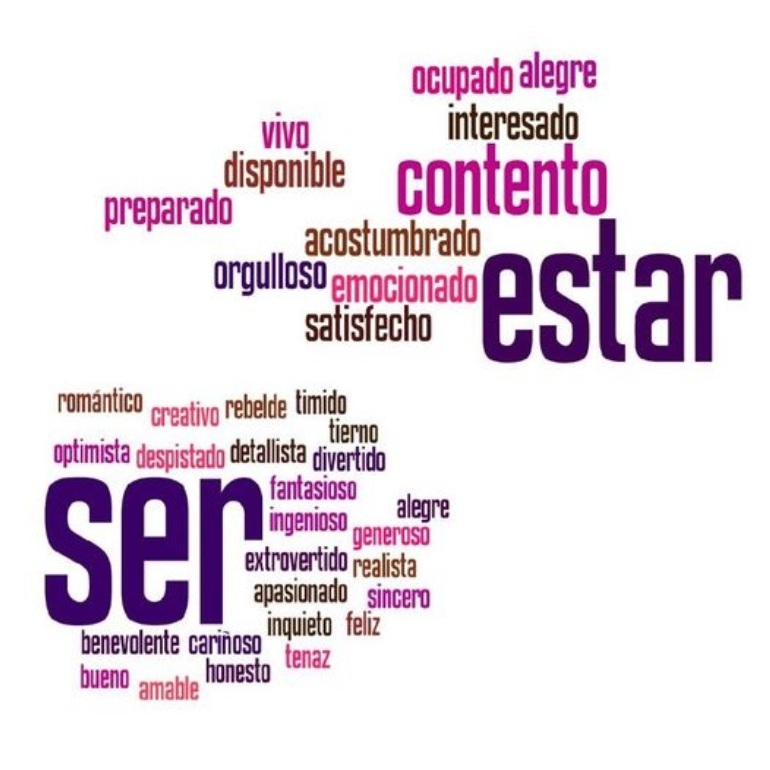
- Spanish
ser o estar
- usos de los verbos "ser" y "estar" - "ser" y "estar" con adjetivos (casos especiales)
- Theory with exercises
- Upper Intermediate
 English


 English
el Día de San Valentín



Polina Evstafjeva

 Russia
vocabulario del Día de San Valentín y ejercicios
- usos de los verbos "ser" y "estar" - "ser" y "estar" con adjetivos (casos especiales)
English
- como se forma el gerudio - irregulares - gerundio con el verbo "estar" - gerundio con los verbos "seguir/llevar"
Spanish
-como se forma el modo subjuntivo -usos -tareas -presente de indicativo vs presente de subjuntivo -pretérito perfecto de subjuntivo
Spanish
- pretérito perfecto - pretérito indefinido - pretérito imperfecto - pretérito pluscuamperfecto
Spanish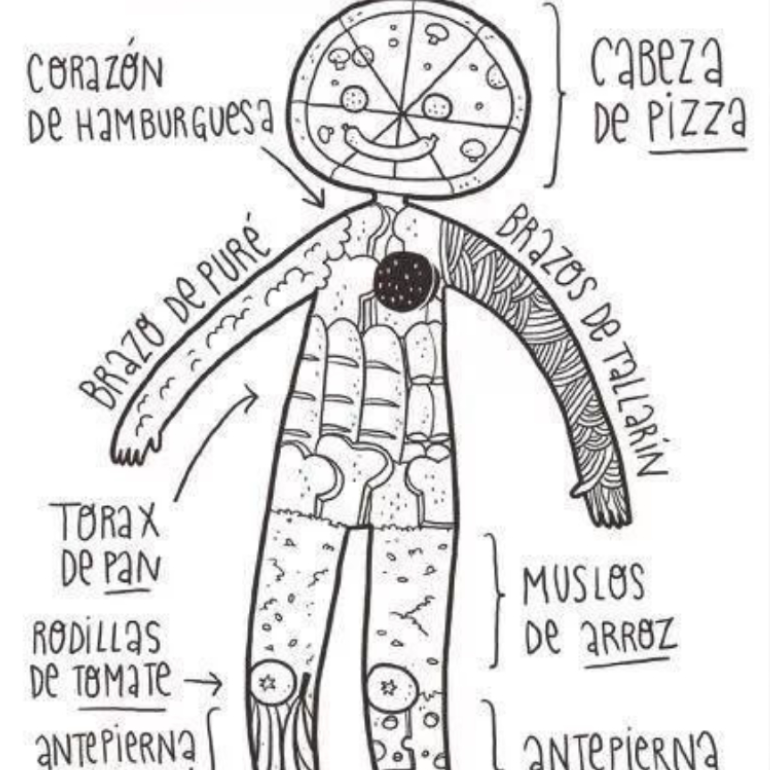
- cuerpo humano - cara - órganos - aspecto físico - rasgos de personalidad
English
- el uso del modo imperativo - los imperativos afirmativos (regulares e irrgulares) - los imperativos negativos (regulares e irrgulares) - los imperativos de los verbos reflexivos - los imperativos con cd y ci
Spanish
- saludos y despedidas - los pronombres - los verbos "llamarse", "ser", "tener", "estar"
Spanish
complemento directo e indirecto
Spanish
-futuro simple -futuro perfecto
English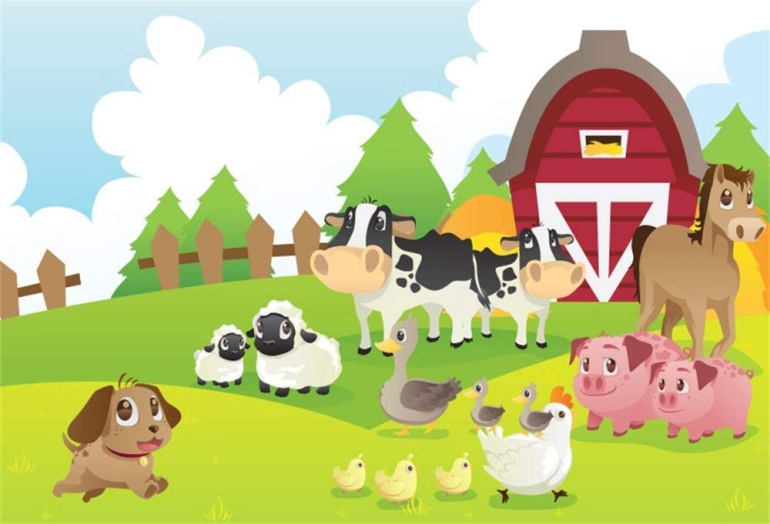
In this video we are going to learn the farm animals in spanish. Spanish vocabulary for children. vaca (cow), perro (dog), gato (cat), oveja (sheep), gallo (cock), cerdo (pig), caballo (horse), pato (duck), burro (donkey), gallina (chicken)
English
 English

Did you understand the text? Please answer the following questions of understanding after the text.
English
Did you understand the text? Please answer the following questions of understanding after the text
English
“In school, most people learn Spanish by memorizing and being focused on grammar, but when they have to speak, nothing comes out. That’s my situation, but as I am learning with Oscar’s lessons, I am enjoying the process, and actually, I understand real spoken Spanish more and more, and now little words of Spanish are popping up into my head. This method is much powerful, much faster and it’s the way to learn Spanish when you really want to speak it.”
English- como se forma el gerudio - irregulares - gerundio con el verbo "estar" - gerundio con los verbos "seguir/llevar"
Spanish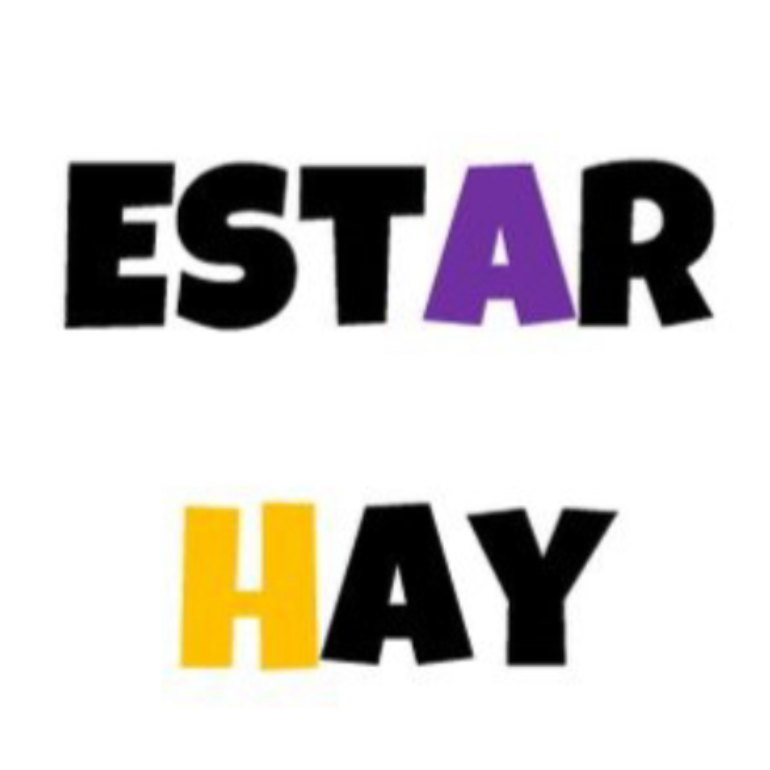
- casos del uso del verbo haber - casos del uso del verbo estar - hay y estar en el presente de indicativo - hay y estar en los tiempos pasados (pretérito perfecto; pretérito indefenido; pretérito imperfecto)
Spanish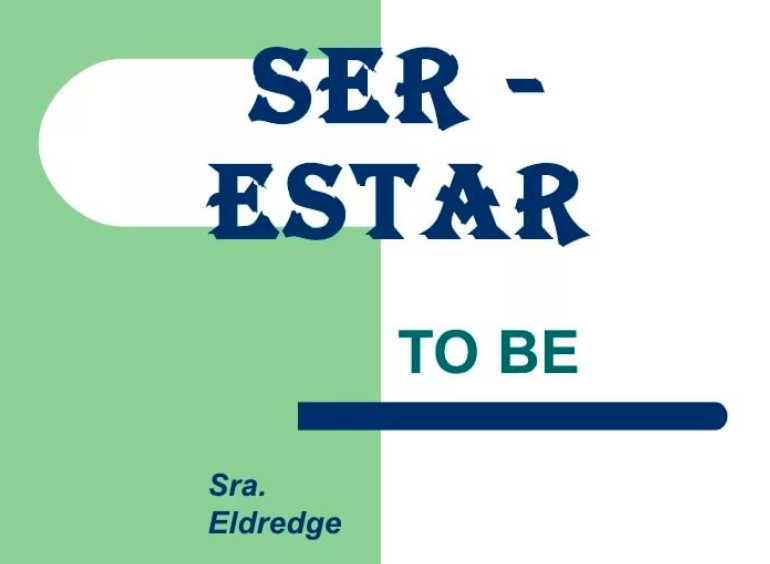
In the previous two lessons you learned the fundamental difference between ser and estar – essence or condition (“what” something is v. “how” something is), as well as some common uses for the verb ser. This lesson examines the other Spanish verb for “to be”: estar.
English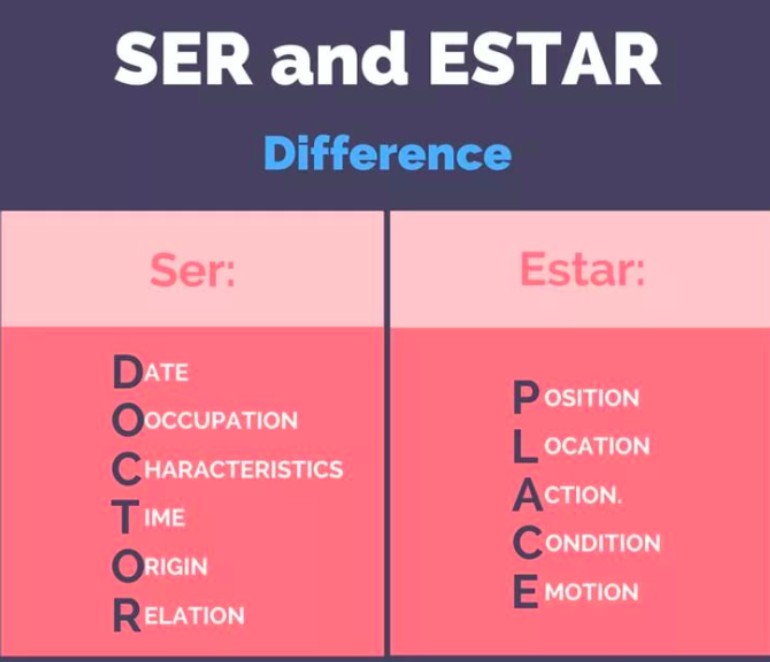
Whole books have been written about the two important Spanish verbs: ser and estar. This will be the subject of our discussion for the next few lessons. Soon, you will have a very good understanding of how these two verbs are used.
English-futuro simple -futuro perfecto
English¡Holiiiii!🧸 Me llamo Poli y soy profesora de español 📝 Para ser sincera, me encanta enseñar de forma apasionada. Tengo muchas ganas de presentar este maravilloso idioma a todo el mundo 🌍 De hecho, estoy dispuesta a compartir mi experiencia en comunicarme con hablantes nativos de España, Chile, Ecuador, Perú y Colombia Estoy completamente dedicada a mi trabajo y siempre trato de encontrar un enfoque individualizado para cada estudiante <3 Mi objetivo es enamorar a los estudiantes del español tanto como yo estoy enamorada de él 🤎 En mis clases te sentirás a gusto, porque el ambiente es acogedor, te lo prometo 🎞️🍪

Verified Tutor
Identity & qualifications verified

3-Day Refund Policy
Full refund if not satisfied

Usually responds in 2 hours
Quick replies to your messages

Secure Payments
Your payments are safe with us
