

- Russian
- Article
- All levels
 Russian

 Russian
чем выражается подлежащее



Марина Валерьевна

 Russia
В этом уроке вы узнаете, как найти в предложении подлежащее и научитесь определять способы его выражения. Урок необходим для решения задания 2 ОГЭ по русскому языку, для составления своих высказываний, для успешного разбора предложений на уроках русского языка.
Урок построен следующим образом: сначала дана инофрмация о том, как найти подлежащее по вопросу.
Далее представлена таблица, главной частью которой является связный рассказ, есть графа-помощник по нахождению подлежащего в каждом предложении текста и в третьей графе указаны способы выражения подлежащего во всех предложениях теста.
Russian Russian
В этом уроке Вы узнаете, чем выражается простое глагольное сказуемое, научитесь находить простое глагольное сказуемое в предложении. Всё это необходимо для выполнения задания№2 ОГЭ по русскому языку.
Russian Russian
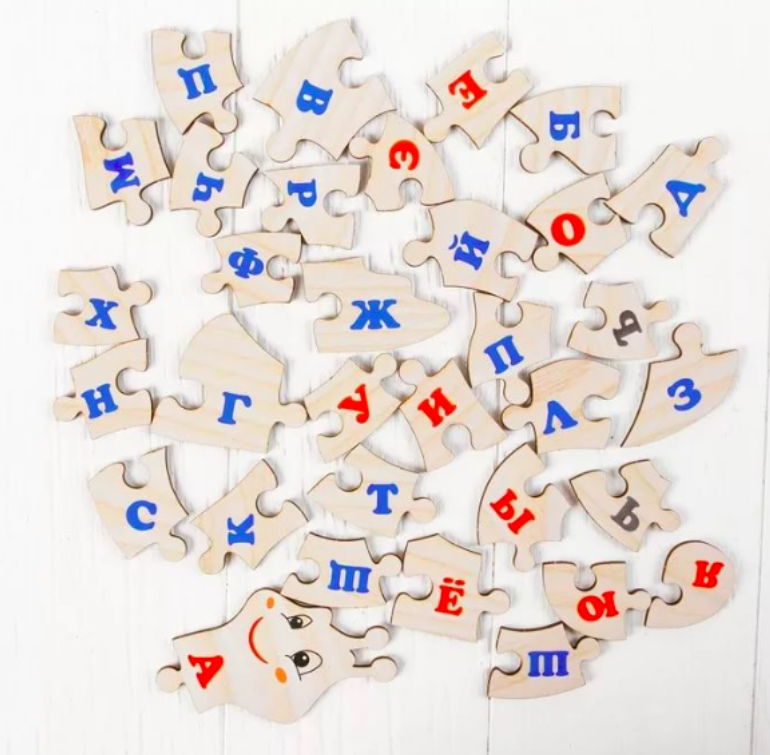
The Russian alphabet is easy to learn! Learning the alphabet is the first step to learning the Russian language. Even if you don't plan to learn the language, knowing the alphabet is great for travelling because you can read all the street and shop signs. It may seem daunting to learn a new alphabet, but it is relatively easy. In fact, the great thing about Russian is that almost all words can be sounded out as they are written.
Russian
In this lesson we will introduce the prepositional case. It will also attempt to expand your vocabulary to include a number of places. The prepositional case is one of the easiest Russian cases to learn. It is also one of the most useful. It will allow you to expand your use of Russian phrases to include useful phrases like “I live in Russia”. The prepositional case has no meaning of it’s own. It is simply used after certain Russian prepositions. Afterwards we will introduce you to the Russian words for ‘to go’. The prepositional case is used after the prepositions “в” (in), “на” (on/at), “о” (about).
Russian
In this lesson we will introduce some of the Russian grammar that is associated with nouns. This is the second lesson in a row that will deal with a lot of the Russian grammar, but afterwards you will start to see a little less, as we concentrate more on Russian phrases and vocabulary in the following lessons. This lesson will introduce two concepts: Gender of nouns, and cases. Specifically the accusative case.Other cases will be introduced through-out later lessons.
RussianRussian Russian
Welcome to the lesson about Russian names! We will investigate Russian names, their origin and usage. The three-part form of modern Russian names consists of a first name, patronymic and surname . It first appeared in the 10th century but became normal during the reign of Tzar Peter I.
Russian
In our next Russian lesson will introduce words and phrases associated with families. This will allow you to talk about your family, which is a very popular topic of conversation in Russia. One of the important concepts that we will introduce in this lesson is possessive pronouns. Possesive pronouns are words such as: my, your, his, her, and our. Personal pronouns are normally used to indicate the ownership of an object. The other method to indicate ownership is to use the genative case.
RussianRussian Russian
Я проработала в школе 25 лет и репетитором по русскому языку 7 лет, таким образом, общий мой стаж преподавательской деятельности - 35 лет. В 2000 году получила диплом по специальности учитель русского языка и русской литературы в Бурятском Государственном университете. В 2006 участвовала в республиканском конкурсе "Педагогическая элита Бурятии", получила грамоту победителя. В 20011 заняла второе место среди учителей литературы республики Бурятия. Это две самые значимые мои награды в годы работы школьным учителем. Для меня, как репетитора теперь самое высшее достижение - это высокие баллы на ОГЭ и ЕГЭ моих учеников: от 65 до 100. Есть у меня ещё одно значимое дело - сотрудничество с сайтом 4ЕГЭ, там я пишу сочинения ОГЭ и ЕГЭ, варианты КИМ по ВПР, ОГЭ по русскому языку. Говорят, счастлив тот, кто любит свою работу: так вот - это про меня.

Verified Tutor
Identity & qualifications verified

3-Day Refund Policy
Full refund if not satisfied

Usually responds in 2 hours
Quick replies to your messages

Secure Payments
Your payments are safe with us
