

-wide.jpg "Наречие как часть речи")
- Russian
Наречие как часть речи
Веселый видео-урок с заданиями, который расскажет вам, что такое наречие. #русскийязык #наречие #7класс #видеоурок
- Video lessons
- Intermediate
 Russian

 Russian
Союзы тоже, также, зато, чтобы.



Анна Романова

 Russian Federation
Морфологический разбор союза 7 класс
#русскийязык #союзы #7класс #тестыонлайн
Веселый видео-урок с заданиями, который расскажет вам, что такое наречие. #русскийязык #наречие #7класс #видеоурок
Russian Russian
 Russian
Цель: познакомить с грамматическим признаком имён существительных – родом; создать условия для усвоения способа определения рода имени существительного через алгоритмизацию деятельности учащихся.
Russian
In this lesson we will introduce the prepositional case. It will also attempt to expand your vocabulary to include a number of places. The prepositional case is one of the easiest Russian cases to learn. It is also one of the most useful. It will allow you to expand your use of Russian phrases to include useful phrases like “I live in Russia”. The prepositional case has no meaning of it’s own. It is simply used after certain Russian prepositions. Afterwards we will introduce you to the Russian words for ‘to go’. The prepositional case is used after the prepositions “в” (in), “на” (on/at), “о” (about).
Russian Russian
In this lesson we will introduce some of the Russian grammar that is associated with nouns. This is the second lesson in a row that will deal with a lot of the Russian grammar, but afterwards you will start to see a little less, as we concentrate more on Russian phrases and vocabulary in the following lessons. This lesson will introduce two concepts: Gender of nouns, and cases. Specifically the accusative case.Other cases will be introduced through-out later lessons.
Russian Russian
In our next Russian lesson will introduce words and phrases associated with families. This will allow you to talk about your family, which is a very popular topic of conversation in Russia. One of the important concepts that we will introduce in this lesson is possessive pronouns. Possesive pronouns are words such as: my, your, his, her, and our. Personal pronouns are normally used to indicate the ownership of an object. The other method to indicate ownership is to use the genative case.
Russian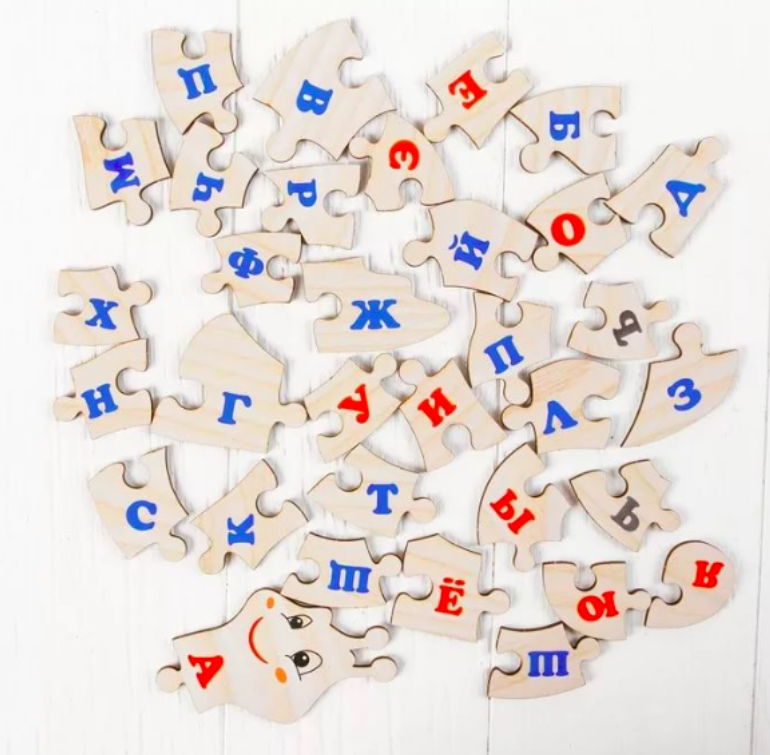
The Russian alphabet is easy to learn! Learning the alphabet is the first step to learning the Russian language. Even if you don't plan to learn the language, knowing the alphabet is great for travelling because you can read all the street and shop signs. It may seem daunting to learn a new alphabet, but it is relatively easy. In fact, the great thing about Russian is that almost all words can be sounded out as they are written.
Russian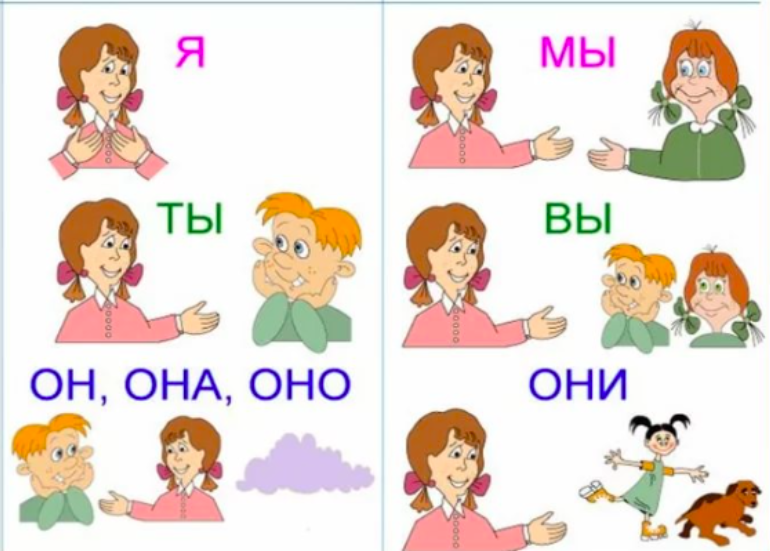
Now that you have learnt some basic Russian phrases, it is time to start forming your own Russian sentences. To do this you need to learn about Russian verbs and pronouns. This lesson will enable you to start forming short Russian sentences. When you are learning to speak Russian it is easiest to start by just using short sentences. Often you can break a long sentence into several short ones. This is a long lesson, and introduces some of the most difficult concepts in Russian. So don't worry if you need to go slowly, or it takes some time to understand at first. You can always come back and review this lesson. When you have completed this lesson you will have taken a major step forward in understanding Russian grammar.
Russian
Verified Tutor
Identity & qualifications verified

3-Day Refund Policy
Full refund if not satisfied

Usually responds in 2 hours
Quick replies to your messages

Secure Payments
Your payments are safe with us
